


 Visualizar na parede

 Compartilhar
 Compartilhar
 Detalhes
 Guia


 Baixar imagem
 Semelhantes
 Raio X
 Ver diaporama
 Perguntas e Respostas
 Estatísticas
Study for Mountain Gold


 Ler mais
A obra de arte exibida nesta página é protegida por leis de direitos autorais, o que significa que não podemos criar ou vender legalmente uma reprodução idêntica. Esta proteção é aplicada por meio de acordos internacionais, tais como a Convenção de Berna e pelas leis nacionais, incluindo as estabelecidas por Lei de Direitos Autorais dos EUA - Título 17.
Este método cumpre plenamente as regulamentações de direitos autorais, pois não envolve a cópia ou duplicação da obra protegida. Em vez disso, trata-se de uma reinterpretação criativa — uma nova pintura que é influenciada pela original, mas não idêntica a ela.
Giclée / Impressão de Arte
Impressão giclée ou em tela de qualidade de museu, com produção rápida e opções flexíveis de acabamento. ( Comprar pintura feita à mão Alternar para Imagem Digital)
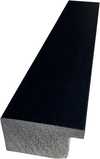
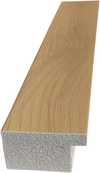
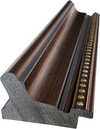
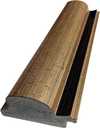
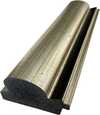
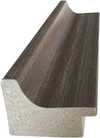
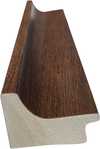
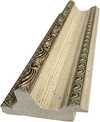
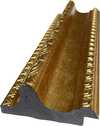
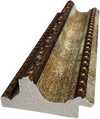
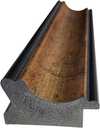
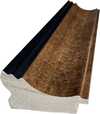
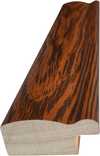
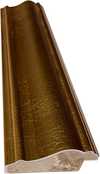
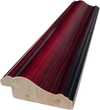
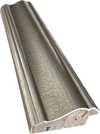
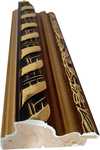
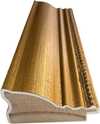
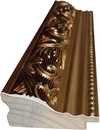
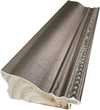
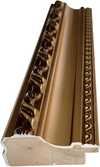
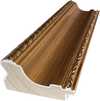
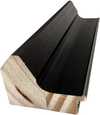
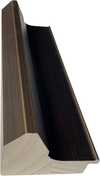
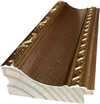
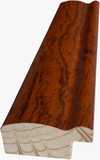
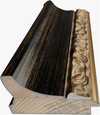
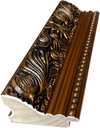
Escolha entre os nossos tamanhos pré-definidos que respeitam as proporções originais da obra de arte.

Insira a largura e a altura desejadas para se ajustarem à sua moldura ou parede. Uma impressão pode ser apenas cortada, nunca ampliada além da imagem original; portanto, um tamanho com proporções diferentes resultará na perda de parte da imagem. Enviamos uma maquete digital para sua aprovação antes de realizarmos a impressão. A imagem exibida nesta página não mostra o corte real — apenas a maquete o faz.
Entrega mundial () em 2 semanas, em vez das 4/5 semanas padrão. (19 Novembro)

Envio expresso gratuito para todo o mundo

Tela de Linho de Alta Qualidade

Seguro de transporte completo

Garantia de Reembolso de Impostos Alfandegários

Garantia de Fidelidade Cromática

Política de Devolução em 100 Dias (Apenas para Defeitos)

Garantia de reembolso de 100%

Oferta de desconto por quantidade
 A opção de vidro está disponível apenas para tamanhos inferiores a 110 cm

Study for Mountain Gold
Giclée / Impressão de Arte
Tamanho da Reprodução
-


Preço Total
€ 58
Obras Relacionadas


Biografia do Artista
The Life and Art of Gustave Baumann
Born in Magdeburg, Germany, Gustave Baumann moved to the United States with his family in 1891. His artistic journey began in earnest when he worked for an engraving house at age seventeen while attending night classes at the Art Institute of Chicago. Seeking deeper mastery, he returned to Germany in 1904 to study at the Kunstgewerbeschule in Munich, where he focused on wood carving and the intricate techniques of wood block prints. Upon his return to the United States, he began producing color woodcuts as early as 1908, establishing himself as a graphic artist. His career eventually led him to the Southwest, where he settled in Santa Fe, remaining there for more than fifty years until his death in 1971.
Baumann was a leading figure in the American color woodcut revival, known for employing the traditional European method of color relief printing. Using oil-based inks and a small press, he developed a distinct personal seal: an opened palm of a hand on a heart. His diverse body of work included:
Artistic Legacy and Recognition
Throughout his career, Baumann's mastery of the woodcut was recognized on prestigious stages. He won a gold medal for color woodcut at the 1915 Panama–Pacific International Exposition for his work Mill Pond, which was the largest color woodcut produced at that time. His prints have been featured in esteemed institutions, including the New York Metropolitan Museum of Art, the Cleveland Museum of Art, the National Gallery of Art in Washington DC, and the New Mexico Museum of Art. His technical skill is documented in Gala Chamberlain's book, In A Modern Rendering: The Color Woodcuts of Gustave Baumann: A Catalog Raisonne, which catalogs over 429 distinct images from his lifetime.

Gustave Baumann
1881 - 1971 , Germany
Dados Rápidos
- Artistic Movement Or Style: Color woodcut revival
- Full Name: Gustave Baumann
- Nationality: United States
- Notable Artworks:
- In the Hills o' Brown
- Cliff Dwellings
- Sanctuario – Chimayo
- Bright Angel Trail
- Grand Canyon
- Place Of Birth: Magdeburg, Germany
- Date Of Birth: 1881
- Date Of Death: 1971
Artigos Relacionados

25 Must-See Masterpieces at the Kröller-Müller Museum: A Van Gogh & Modern Art Guide
Explore 25 iconic Van Gogh and modern masterpieces at Kröller-Müller Museum. Discover the full collection online at AllPaintingsStore.com.

25 Must-See Masterpieces at the Albertina Museum, Vienna
Explore 25 iconic masterpieces from Vienna's Albertina, from Dürer to modern greats. Discover the full collection on AllPaintingsStore.com.