


 Visualizar na parede
 Compartilhar
 Compartilhar
 Detalhes
 Guia
Guia

 Baixar imagem
 Semelhantes
 Raio X
 Ver diaporama
 Estatísticas
Tityus
 Oil On Canvas
- WallArt
- Baroque Renaissance
 1548
1548 253.0 x 217.0 cm
 Museu do Prado
 Ler mais
Giclée / Impressão de Arte
Impressão giclée ou em tela de qualidade de museu, com produção rápida e opções flexíveis de acabamento. ( Comprar pintura feita à mão Alternar para Imagem Digital)




P118B €10

P118H €10

P118W €10

P438Z €10

P508JH €12

P508YH €12

P805H €10

P805Z €10

P919BZ €10

P919G €10

P919XJ €10

P959ZH €10

P968JZ €12

W106C €8

W218G €10

W218JH €8

W218Y €10

W307PJ €10

W316G €10

W316PJ €8

W316Y €10

W398PJ €8

W4111J €10

W500HY €15

W500JH €15

W692G €12

W849H €8

W940BG €15

W953PJ €8




Escolha entre os nossos tamanhos pré-definidos que respeitam as proporções originais da obra de arte.

Insira a largura e a altura desejadas para se ajustarem à sua moldura ou parede. Uma impressão pode ser apenas cortada, nunca ampliada além da imagem original; portanto, um tamanho com proporções diferentes resultará na perda de parte da imagem. Enviamos uma maquete digital para sua aprovação antes de realizarmos a impressão. A imagem exibida nesta página não mostra o corte real — apenas a maquete o faz.
Entrega mundial () em 2 semanas, em vez das 4/5 semanas padrão. (25 Outubro)

Envio expresso gratuito para todo o mundo

Tela de Linho de Alta Qualidade

Seguro de transporte completo

Garantia de Reembolso de Impostos Alfandegários

Garantia de Fidelidade Cromática

Política de Devolução em 100 Dias (Apenas para Defeitos)

Garantia de reembolso de 100%

Oferta de desconto por quantidade
 A opção de vidro está disponível apenas para tamanhos inferiores a 110 cm

Tityus
Giclée / Impressão de Arte
Tamanho da Reprodução
-


Preço Total
€ 56
A Descent Into Darkness: Titian’s “Tityus” – A Renaissance Masterpiece
Tiziano Vecellio's "Tityus," painted in 1548, isn’t merely a depiction of a Greek myth; it’s a profound meditation on suffering, divine justice, and the inescapable consequences of arrogance. Housed within the Museo del Prado, this monumental oil painting offers a visceral experience, transporting the viewer to the desolate underworld where the titan is eternally tormented. The sheer scale – measuring 253 x 217 cm – immediately commands attention, drawing us into a world steeped in shadow and punctuated by the unsettling presence of vultures. Titian’s genius lies not just in his technical prowess but in his ability to imbue a classical narrative with an intensely human drama.
The Mythic Core: Tityus and His Punishment
The story behind “Tityus” is grim, yet powerfully resonant. According to Greek mythology, Tityus was the son of Gaia (Earth) and Tartarus (the abyss). He attempted to seduce Leto, Hera’s mistress, resulting in his immediate punishment: eternal torment chained to a rock, subjected to the relentless feeding of vultures whose appetites could never be satiated. Titian masterfully captures this horrific fate. The figure of Tityus himself is rendered with agonizing realism – his body contorted in a posture of defeated despair, his head bowed as if accepting his unending punishment. He’s not presented as a monstrous brute, but rather as a profoundly vulnerable human being, stripped bare by both physical and spiritual torment.
Color and Light: Titian's Baroque Sensibilities
Titian was a revolutionary in the use of color, and “Tityus” exemplifies this. While firmly rooted in Renaissance principles, the painting anticipates elements of the emerging Baroque style. The palette is dominated by rich, warm tones – deep reds, ochres, and browns – creating an atmosphere of oppressive heat and decay. The artist skillfully employs chiaroscuro, a dramatic contrast between light and shadow, to heighten the emotional impact. Notice how the light catches on Tityus’s skin, highlighting his suffering while plunging the surrounding landscape into darkness. This interplay of light and shadow isn't simply aesthetic; it serves to emphasize the psychological weight of the scene, mirroring the internal struggle of a man facing eternal torment.
- Bold Brushwork: Titian’s signature loose, expressive brushstrokes are evident throughout the painting. These visible marks contribute to the sense of movement and dynamism, suggesting the constant, relentless activity of the vultures and the agonizing struggle of Tityus.
- Color Harmony: The carefully chosen colors create a powerful visual harmony, drawing the eye to the central figure while simultaneously evoking feelings of unease and despair.
- Atmospheric Perspective: The use of atmospheric perspective – where distant elements appear paler and less detailed – adds depth and realism to the rocky landscape, grounding the mythological scene in a tangible environment.
Symbolism and Enduring Relevance
Beyond its immediate depiction of punishment, “Tityus” is laden with symbolic meaning. The vultures represent not just physical consumption but also the relentless passage of time and the inescapable nature of fate. The painting serves as a potent reminder of the dangers of hubris – excessive pride or self-confidence – and the inevitable consequences that follow. Commissioned by Mary of Hungary, this work likely held a didactic purpose, intended to warn against vanity and remind viewers of the importance of humility before God. Even today, “Tityus” continues to resonate with audiences, prompting reflection on themes of morality, justice, and the human condition – timeless subjects rendered with breathtaking artistry and emotional intensity.
A hand-painted reproduction by AllPaintingsStore.com offers a remarkable opportunity to bring this extraordinary masterpiece into your home or office. Experience the drama, the color, and the profound symbolism of “Tityus” in exquisite detail, capturing the spirit of Renaissance art for generations to come.
Perguntas e Respostas
Que tom emocional acompanha o estilo Baroque Renaissance de "Tityus"?
Dentro do movimento Baroque Renaissance, "Tityus" é registrada com um tom Melancholic.
Onde posso encontrar um guia sobre "Tityus"?
O guia para "Tityus" é a página de Ficha informativa da obra — uma ficha informativa imprimível que apresenta a obra com sua legenda, autoria e tabela de identificação (artista, datas, técnica, tamanho original, coleção).
As cores de "Tityus", de Tiziano Vecellio são vibrantes ou suaves?
A cor de "Tityus" apresenta Subtle Color de saturação e Balanced de intensidade.
Obras Relacionadas


Biografia do Artista
The Venetian Titan: A Life in Color and Canvas
Tiziano Vecellio, mundialmente conhecido como Titian, emerge como uma figura monumental do Renascimento italiano – talvez sua mais celebrada colorista e um mestre que redefiniu as possibilidades da pintura a óleo. Nascido por volta de 1490 em Pieve di Cadore, aninhado entre os dramáticos cenários das montanhas Dolomitas venezianas, sua jornada de origens humildes ao reconhecimento internacional é um testemunho do talento prodigioso e de uma dedicação inabalável à inovação artística. Os detalhes sobre a vida inicial de Titian permanecem em certa medida envoltos em mistério, mas sabemos que ele era um dos filhos de Gregorio Vecellio, um militar, e Lucia. Reconhecendo o potencial de seus filhos, a família organizou para que jovens Tiziano e seu irmão Francesco aprendessem com um artista em Veneza – uma decisão que alteraria irrevogavelmente o curso da história da arte. Veneza, no início do século XVI, era um centro vibrante de comércio, cultura e fermento artístico. O treinamento inicial de Titian ocorreu dentro do ateliê de Sebastiano Zuccato, um mosaicista, seguido por breves períodos sob a tutela de Gentile Bellini e, crucialmente, seu irmão Giovanni. No entanto, sua associação com Giorgione – um pintor veneziano cuja obra possuía uma qualidade poética etérea – provou ser a mais formativa. Os dois artistas colaboraram em vários projetos, incluindo os afrescos externos para o Fondaco dei Tedeschi, um movimentado centro comercial para comerciantes alemães. Mesmo nessas obras iniciais, a excepcional habilidade de Titian se tornou evidente, ganhando-lhe reconhecimento entre seus contemporâneos e prenunciando o brilho que logo floresceria.A Evolução do Estilo de um Mestre
O desenvolvimento artístico de Titian pode ser caracterizado por uma versatilidade notável e uma exploração contínua das técnicas pictóricas. Suas obras iniciais, fortemente influenciadas por Giorgione, exibem lirismo delicado e um uso magistral da cor para criar efeitos atmosféricos. Pinturas como *A Man with a Quilted Sleeve* (cerca de 1509) demonstram seu talento emergente para o retrato, capturando não apenas a semelhança física de seus assuntos, mas também sua essência interior. À medida que amadurecia, Titian começou a se afastar das tonalidades sutis de Giorgione e a abraçar uma abordagem mais ousada e dramática à cor. *The Visitation of Mary and Elizabeth* (agora na Galleria Accademia, Veneza) exemplifica essa mudança, mostrando sua crescente confiança no manejo de composições complexas e cores vibrantes. Ao longo de sua longa carreira, Titian consistentemente desafiou os limites da expressão artística. Ele experimentou com diferentes pinceladas – desde superfícies suaves e fundidas até marcas soltas e expressivas – e desenvolveu uma técnica única para sobrepor cores para criar efeitos luminosos. Seus retratos tornaram-se renomados por sua profundidade psicológica e representação realista de texturas e tecidos. Simultaneamente, ele se destacou em temas mitológicos e religiosos, imbuindo-os com uma sensualidade e intensidade dramática que cativavam o público. *Venus of Urbino* é um exemplo primário dessa maestria, uma obra-prima que redefiniu a representação do corpo feminino nu e estabeleceu Titian como uma figura de destaque na pintura veneziana.Patrocínio, Prestígio e Influência Duradoura
O talento de Titian atraiu a atenção de poderosos mecenas em toda a Europa. Ele serviu como pintor de corte para o Imperador Carlos V, o Rei Filipe II da Espanha e o Papa Paulo III, entre outros. Esse patrocínio não apenas lhe proporcionou segurança financeira, mas também permitiu que ele criasse obras monumentais que exibissem sua habilidade artística em grande escala. Sua capacidade de adaptar seu estilo aos gostos de diferentes cortes, ao mesmo tempo em que mantinha sua própria voz distinta, é um testemunho de sua excepcional habilidade e diplomacia. Titian faleceu em Veneza em 1576, deixando para trás um extraordinário corpo de trabalho que continua a inspirar admiração e apreço. Suas pinturas podem ser encontradas em museus ao redor do mundo, incluindo a Galleria Palatina em Florença, o Prado Museum em Madri e a National Gallery em Londres. Para experimentar uma obra de Titian é encontrar um mestre artesão no auge de seus poderes – um pintor que possuía uma habilidade incomparável para capturar a beleza, o drama e a complexidade da condição humana.Explorando Mais
- Museus & Coleções: Descubra as obras de Titian na Scuola del Santo em Pádua e San Salvador em Veneza, ambas exibindo seus deslumbrantes afrescos.
- Artistas Relacionados: Explore a influência de Giorgione no estilo inicial de Titian e o impacto posterior de Titian em artistas como Rubens e Delacroix.
- Contexto Histórico: Mergulhe no mundo da Renascença Italiana e da pintura veneziana para apreciar plenamente as conquistas artísticas de Titian.
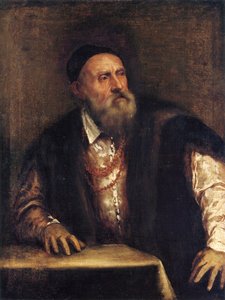
Tiziano Vecellio
1490 - 1576 , Itália
Dados Rápidos
- Artistic Movement Or Style: Renascimento, Pintura Veneziana
- Artists Or Movements Influenced By This Artist:
- Pintores Ocidentais
- Renascimento Tardio
- Artists Who Influenced This Artist:
- Giovanni Bellini
- Giorgione
- Date Of Birth: c. 1490
- Date Of Death: 1576
- Full Name: Tiziano Vecellio
- Nationality: Italiano
- Notable Artworks:
- A Man com Mangas Quilted
- Assunção da Virgem
- Place Of Birth: Pieve di Cadore, Itália
Artigos Relacionados

The Enduring Legacy of Oil on Canvas: Technique, History & Aesthetic Impact
Explore the rich history & techniques of oil painting – from Renaissance masters to Impressionism. Discover pigments, layering methods, and why this timeless medium endures. Expert insights for artists & art enthusiasts.

Oil on Canvas: A Historical & Technical Exploration of a Timeless Artistic Medium
Explore the rich history & enduring techniques of oil painting on canvas. Discover the science behind its longevity, conservation practices, and contemporary relevance. Expert insights for art enthusiasts.

The Enduring Power of Painting: A Historical & Contemporary Exploration of Form and Emotion
Explore the rich history & enduring techniques of oil painting with AllPaintingsStore. Discover masterpieces, learn about art collecting, and find authentic handmade reproductions crafted by skilled artists.

Barroco Brasileiro: Opulência e Emoção para Interiores Contemporâneos
Descubra como o Barroco brasileiro pode transformar seus interiores! Explore a história, elementos-chave e dicas para integrar este estilo luxuoso e cheio de emoção em sua casa.

The Dramatic Flourish: Exploring the Baroque Movement's Enduring Legacy in Art History
Explore the dramatic world of Baroque art! Discover iconic artists like Caravaggio & Rubens, defining techniques, and its lasting impact on art history. Expert insights for collectors & enthusiasts at AllPaintingsStore.


