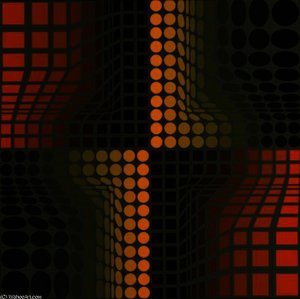
Oil On Canvas.

§ 1Catalogue data


Esta obra está protegida por direitos autorais
A obra de arte exibida nesta página é protegida por leis de direitos autorais, o que significa que não podemos criar ou vender legalmente uma reprodução idêntica. Esta proteção é aplicada por meio de acordos internacionais, tais como a Convenção de Berna e pelas leis nacionais, incluindo as estabelecidas por Lei de Direitos Autorais dos EUA - Título 17.
Como uma alternativa respeitosa e legal, oferecemos obras de arte personalizadas e pintadas à mão, inspiradas na obra original. Nossos artistas profissionais e experientes estudam cuidadosamente o estilo, a atmosfera e a essência artística da obra original para criar uma peça nova e única que evoque a mesma sensação — permanecendo como uma criação original por direito próprio.
Este método cumpre plenamente as regulamentações de direitos autorais, pois não envolve a cópia ou duplicação da obra protegida. Em vez disso, trata-se de uma reinterpretação criativa — uma nova pintura que é influenciada pela original, mas não idêntica a ela.
 Leia mais
§ 2Abstract
Descrição do Item
Experience Abstract Composition 8 – a captivating Op-Art piece by Victor Vasarely. Explore geometric patterns & optical illusions in this hand-painted reproduction.
Biografia do Artista
Explore o universo geométrico de Victor Vasarely (1906-1997), pioneiro da Op Art e da arte cinética! Descubra suas abstrações óticas, ilusões visuais e influência duradoura na arte moderna.
§ 3Commentary
A Dance of Perception: Exploring Victor Vasarely’s “Abstract Composition 8”
Victor Vasarely's "Abstract Composition 8" is more than just a painting; it’s an invitation to question the very nature of visual reality. Executed in oil on canvas with meticulous attention to detail, this work embodies the core tenets of Op Art – Optical Art – a movement that emerged in the mid-20th century and continues to captivate viewers with its mastery of illusion and pattern. Born in 1906 in Pécs, Croatia (then part of Austria-Hungary), Vasarely’s artistic trajectory began unexpectedly, initially driven by an interest in medicine before he was drawn to the expressive possibilities of color and form. His journey reflects a profound engagement with geometric abstraction, influenced heavily by the Bauhaus movement's emphasis on functionality and design, and nurtured within the rigorous environment of Sándor Bortnyik’s “Műhely” workshop.
- Subject Matter: The painting presents a carefully constructed arrangement of four distinct sections. A dominant circle commands attention in the left quadrant, while a smaller circle offers a counterpoint in the center. The right side explodes with a dynamic pattern of lines, and the bottom section culminates in a mesmerizing spiral or swirl – a recurring motif in Vasarely’s oeuvre.
- Style & Technique: Vasarely's signature Op Art style is immediately recognizable through its precise geometric forms and vibrant color palette. The oil on canvas technique allows for rich texture and depth, enhancing the illusionistic effects. He skillfully manipulates perspective and scale to create a sense of movement and dynamism, drawing the viewer into the artwork’s intricate visual field.
The Genesis of Op Art: Historical Context
“Abstract Composition 8” emerged from a pivotal moment in art history – the post-World War II era. The rise of mass media, particularly advertising and graphic design, profoundly influenced artistic thinking. Artists like Vasarely responded to this shift by exploring new ways to engage with visual perception through abstraction. Op Art, as it became known, sought to directly stimulate the viewer’s optic nerve, creating an almost physical experience of color and form. This was a deliberate rejection of traditional representational art, embracing instead the power of pure geometric abstraction to evoke emotion and challenge our understanding of space.
Symbolism & Emotional Impact
While ostensibly abstract, Vasarely’s work is imbued with symbolic meaning. The circles, often interpreted as representing wholeness and unity, are juxtaposed against the dynamic lines and spirals – symbols of movement, energy, and transformation. The overall effect is one of controlled chaos, inviting contemplation on the relationship between order and disorder, perception and reality. “Abstract Composition 8” isn’t simply a visual puzzle; it's an emotional experience, designed to provoke a sense of wonder and intrigue.
A Legacy of Innovation
Victor Vasarely’s influence extends far beyond the realm of Op Art. His pioneering work paved the way for subsequent developments in kinetic art, digital art, and even contemporary graphic design. “Abstract Composition 8” stands as a testament to his genius – a timeless masterpiece that continues to inspire artists and captivate audiences with its innovative approach to visual perception. A hand-painted reproduction of this artwork offers an unparalleled opportunity to bring this iconic piece into your home or office, allowing you to experience the captivating power of Vasarely’s vision firsthand.
Perguntas e Respostas
A qual movimento artístico pertence "Abstract composition 8", de Victor Vasarely?
"Abstract composition 8", de Victor Vasarely pertence ao movimento Op Art. Este movimento fornece o contexto estilístico da obra.
"Abstract composition 8", de Victor Vasarely é uma pintura, um desenho ou uma gravura?
"Abstract composition 8" é uma obra de WallArt.
De que técnica é feita a obra "Abstract composition 8"?
"Abstract composition 8" é executada em Oil On Canvas.


 Alternar para Impressão


 Para obras de arte ou reproduções com mais de 105 cm (aproximadamente 41 polegadas) em qualquer um dos lados, a moldura será enviada como um kit desmontado. Este método garante uma entrega segura e evita danos durante o transporte.