


 Visualizar na parede
 Compartilhar
 Compartilhar
 Detalhes
 Guia
Guia

 Baixar imagem
 Semelhantes
 Raio X
 Ver diaporama
 Perguntas e Respostas
 Estatísticas
Cerberus

 Ler mais
Giclée / Impressão de Arte
Impressão giclée ou em tela de qualidade de museu, com produção rápida e opções flexíveis de acabamento. ( Comprar pintura feita à mão Alternar para Imagem Digital)




P118B €10

P118H €10

P118W €10

P438Z €10

P508JH €12

P508YH €12

P805H €10

P805Z €10

P919BZ €10

P919G €10

P919XJ €10

P959ZH €10

P968JZ €12

W106C €8

W218G €10

W218JH €8

W218Y €10

W307PJ €10

W316G €10

W316PJ €8

W316Y €10

W398PJ €8

W4111J €10

W500HY €15

W500JH €15

W692G €12

W849H €8

W940BG €15

W953PJ €8




Escolha entre os nossos tamanhos pré-definidos que respeitam as proporções originais da obra de arte.

Insira a largura e a altura desejadas para se ajustarem à sua moldura ou parede. Uma impressão pode ser apenas cortada, nunca ampliada além da imagem original; portanto, um tamanho com proporções diferentes resultará na perda de parte da imagem. Enviamos uma maquete digital para sua aprovação antes de realizarmos a impressão. A imagem exibida nesta página não mostra o corte real — apenas a maquete o faz.
Entrega mundial () em 2 semanas, em vez das 4/5 semanas padrão. (14 Novembro)

Envio expresso gratuito para todo o mundo

Tela de Linho de Alta Qualidade

Seguro de transporte completo

Garantia de Reembolso de Impostos Alfandegários

Garantia de Fidelidade Cromática

Política de Devolução em 100 Dias (Apenas para Defeitos)

Garantia de reembolso de 100%

Oferta de desconto por quantidade
 A opção de vidro está disponível apenas para tamanhos inferiores a 110 cm

Cerberus
Giclée / Impressão de Arte
Tamanho da Reprodução
-


Preço Total
€ 58
Cerberus: A Descent into Mythic Darkness
William Blake’s “Cerberus” stands as a haunting testament to the Romantic preoccupation with the sublime—a confrontation with terror and beauty intertwined. Painted in 1824-7, this graphite and ink watercolor on paper captures not merely an animalistic depiction but delves into profound symbolic representations of death, judgment, and spiritual struggle.
- Subject Matter: The artwork portrays Cerberus, the fearsome three-headed hound guarding Hades’ gate in Greek mythology. Blake meticulously renders the monstrous creature with a masterful blend of reds and oranges, conveying an aura of primal aggression and unsettling power.
- Style & Technique: Blake's distinctive style is immediately recognizable through his characteristic use of expressive linework—bold strokes delineate Cerberus’ musculature and create dramatic shadows that heighten the sense of unease. The watercolor washes contribute to a textured surface, mirroring the turbulent emotional landscape of the scene.
- Historical Context: Produced during Blake's prolific output in the wake of his apprenticeship with James Basire, “Cerberus” reflects the broader Romantic fascination with folklore and visionary imagination. It aligns perfectly with Blake’s exploration of biblical narratives and his engagement with Dante’s Inferno—a visual echo of Dante’s journey through Hell.
The inclusion of a bird perched atop Cerberus adds another layer of complexity to the composition. Often interpreted as representing divine providence or aspiration, this subtle detail underscores Blake's belief in an eternal struggle between good and evil—a theme central to his artistic vision.
- Symbolism: Cerberus embodies not only death but also purification and transformation. The three heads symbolize the threefold nature of judgment and represent the relentless pursuit of spiritual enlightenment. Blake’s masterful use of color – particularly the fiery reds – evokes feelings of passion, torment, and impending doom.
“Cerberus” transcends mere representation; it compels viewers to contemplate existential questions about mortality and redemption. Its enduring appeal lies in Blake's ability to distill complex theological concepts into a visually arresting image—a masterpiece that continues to inspire awe and provoke contemplation centuries after its creation.
Perguntas e Respostas
Onde posso baixar "Cerberus", de William Blake?
A imagem de "Cerberus", de William Blake pode ser baixada na página de download da obra: Download download de imagem digital em alta resolução.
Qual cor predomina na composição de "Cerberus", de William Blake?
Castanho Rosado (#a88b88) é a cor predominante de "Cerberus", de William Blake.
Posso ver "Cerberus", de William Blake sob diferentes luzes?
A visualização em Raio-X de "Cerberus", de William Blake está disponível na página Raio X da obra: um exame interativo da imagem através de onze camadas ópticas.
Obras Relacionadas


Biografia do Artista
Vida Inicial, Família e Formação
William Blake nasceu em 28 de novembro de 1757, em Londres, Inglaterra. Ele foi criado em uma residência situada acima da loja de artigos de vestuário de seu pai, na 28 Broad Street. Seus pais, James Blake e Catherine Wright Armitage Blake, proporcionaram-lhe um ambiente estável durante um período de profundas transformações sociais na cidade. Embora sua criação tenha sido marcada pela modéstia de uma família de artesãos, seus primeiros anos foram definidos por uma imaginação singular e intensa, que frequentemente se manifestava através de visões, como o avistamento de anjos nos galhos de uma árvore durante passeios na infância.
Sua formação formal começou aos dez anos, quando foi matriculado na escola de desenho de Henry Pars. Essa instrução precoce forneceu a base técnica para uma carreira que, eventualmente, transcenderia o simples esboço. Aos 14 anos, a necessidade de trabalho prático o conduziu a um aprendizado de sete anos sob a tutela do gravador James Basire. Este período foi essencial para o seu desenvolvimento, pois o introduziu à mecânica rigorosa da gravura e às propriedades físicas do metal e do ácido.
Durante seu aprendizado, Blake dedicou um tempo significativo ao esboço dos túmulos na Abadia de Westminster. A arquitetura gótica e a pedra desgastada desses monumentos deixaram uma impressão duradoura em sua sensibilidade estética. Esses estudos permitiram que ele internalizasse as formas do passado, as quais reinterpretaria mais tarde através de sua própria e única lente. Sua formação não foi meramente uma busca pelo ofício, mas uma imersão profunda na linguagem visual da história e da estrutura.
Técnica e Inovação Artística
O processo criativo de William Blake era definido por um desejo inquieto de fundir a palavra escrita com a imagem visual. Ele transcendeu as gravuras comerciais padrão de sua era para desenvolver um método único de gravação em relevo para seus livros iluminados. Esta técnica envolvia a aplicação de um verniz resistente ao ácido em placas de cobre, permitindo-lhe gravar tanto o texto quanto a ilustração em uma forma única e integrada. Este método não era meramente uma escolha técnica, mas sim uma escolha espiritual; ele afirmava que o processo lhe foi revelado através de uma experiência visionária após a morte de seu irmão, Robert. Trabalhando ao lado de sua esposa, Catherine, que o auxiliava na impressão e na coloração, ele gerenciava toda a produção, desde a gravação inicial até a costura final dos livros.
Sua estética representava um afastamento deliberado das regras rígidas de seus contemporâneos. Ele rejeitou o uso tradicional da perspectiva linear, que buscava mimetizar o mundo físico, em favor de uma representação do espaço mais emotiva e simbólica. Esse achatamento do campo visual permitia-lhe priorizar a lógica interna de suas visões sobre as restrições do naturalismo. Para dar vida a essas visões, ele frequentemente utilizava aquarelas e tintas de têmpera, aplicando a cor à mão nas folhas impressas para alcançar uma textura específica e pessoal. Sua obra era um labor tanto de mãos quanto de espírito, muitas vezes produzida no silêncio de seu lar em Londres.
Obras-Chave e Grandes Publicações
O início de sua trajetória artística floresceu com a publicação de Poetical Sketches em 1783. Esta coleção inicial de versos foi o prelúdio para as suas conquistas líricas mais amplamente reconhecidas: Songs of Innocence, em 1789, e Songs of Experience, em 1794. Estas obras estabeleceram uma tensão recorrente em sua escrita, explorando o contraste profundo entre o estado de pureza da infância e a corrupção da realidade adulta. Entre 1790 e 1793, ele deu vida a The Marriage of Heaven and Hell, uma obra provocativa que desafiou as doutrinas morais e religiosas estabelecidas através da prosa e do verso.
Seu envolvimento com a turbulência política de sua era encontrou expressão em seus livros proféticos. Ele produziu America, a Prophecy em 1793 e Europe, a Prophecy em 1794, obras que refletiam o espírito revolucionário da época. Estas publicações não eram meramente textos, mas visões integradas onde a imagem gravada e a palavra escrita funcionavam como uma entidade única. Seus anos tardios foram marcados por projetos expansivos e complexos que exigiram anos de esforço contínuo e dedicação absoluta.
As fases finais de sua vida testemunharam o desenvolvimento de ciclos massivos e intrincados. Ele dedicou-se à série Milton entre 1804 e 1808, e seu último grande empreendimento, Jerusalem, ocupou-o de 1804 até 1820. Estas obras representam o ápice de sua tentativa vitalícia de construir uma mitologia privada, uma busca que pretendia reconciliar o espírito humano com o divino através de uma linguagem simbólica profundamente pessoal.
Patronos, Oficina e Encomendas
A realidade financeira da vida de William Blake foi, muitas vezes, uma luta constante pela estabilidade. Durante grande parte de sua carreira, ele buscou o sustento como um gravador itinerante, aceitando trabalhos comerciais para conseguir sobreviver. Por volta de 1784, ele tentou estabelecer uma base profissional mais permanente ao abrir uma oficina de gravura ao lado de James Parker, um amigo e antigo companheiro de aprendizado. Esse empreendimento, no entanto, não lhe proporcionou a segurança duradoura de que necessitava. Em vez disso, seu sustento dependia frequentemente do apoio constante de alguns patronos dedicados, sendo o mais notável Thomas Butts, cujo patrocínio ofereceu um fôlego vital para as buscas mais pessoais e espirituais do artista.
Sua geografia profissional mudou conforme suas circunstâncias se transformavam. Entre 1800 e 1803, William Blake mudou-se para a cidade costeira de Felpham. Durante este período, ele viveu e trabalhou sob o patrocínio de William Hayley. Esse tempo em Felpham proporcionou um alívio temporário das pressões urbanas de Londres, permitindo-lhe concentrar-se em suas complexas séries de obras. Mesmo enquanto navegava pelas exigências das encomendas, seu trabalho permanecia profundamente ligado às necessidades específicas daqueles que apoiavam sua visão, equilibrando frequentemente os requisitos práticos da gravura para terceiros com o labor privado de sua própria impressão iluminada.
Legado e Influência Duradoura
Durante a sua vida, a visão de William Blake foi frequentemente recebida com incompreensão, sendo a sua obra muitas vezes descartada como o produto de uma mente excêntrica ou instável. Viveu uma existência de relativa obscuridade, lutando constantemente pela estabilidade financeira enquanto trabalhava como gravador. No entanto, as mesmas qualidades que o marginalizaram no início do século XIX acabaram por assegurar o seu lugar como uma figura fundamental no movimento Romântico. A sua insistência na primazia da imaginação sobre as restrições da razão forneceu um modelo para aqueles que, mais tarde, procurariam romper com as estruturas académicas tradicionais.
O impacto do seu estilo singular acabou por transcender o seu círculo imediato. A Irmandade Pré-Rafaelita abraçou-o como uma alma gémea, encontrando pontos de convergência na sua rejeição das convenções neoclássicas. À medida que as décadas passavam, a sua influência atravessou os movimentos Simbolista e Modernista, encontrando ressonância no interesse partilhado pela experiência subjetiva e pela profundidade espiritual. William Blake não se limitou a ilustrar poemas; ele construiu uma mitologia privada que continua a ser uma fonte de inspiração para poetas, pintores e pensadores de diversas disciplinas.
- The Tyger
- The Lamb
- London
- Jerusalem
Onde Ver as Obras Hoje
Os vestígios físicos da visão de William Blake estão espalhados por diversas instituições de renome, refletindo o alcance global de sua influência. Em Londres, a Tate Gallery abriga seis de suas obras, incluindo a significativa representação de 1795 de Isaac Newton. Esta coleção oferece um olhar profundo sobre a precisão técnica que ele aplicava às suas gravuras e a maneira como traduzia conceitos espirituais complexos em forma visual.
Do outro lado do Atlântico, sua presença é sentida em várias coleções americanas de destaque. O Yale Center for British Art, em New Haven, mantém quatro obras, como a gravura de 1804 de Los Entering the Grave. Enquanto isso, o Museum of Fine Arts, em Boston, também detém quatro peças, incluindo seu estudo de 1808 de Adam and Eve Sleeping. Esse acervo permite um estudo comparativo de sua evolução, de um gravador comercial a um criador de volumes iluminados e independentes.
Seu alcance estende-se ainda mais até o Hemisfério Sul. A National Gallery of Victoria, em Melbourne, contém uma obra, uma peça de 1827 intitulada Antaeus setting down Dante and Virgil in the last circle of hell. Esta presença singular na Austrália destaca o interesse internacional duradouro por sua mitologia peculiar e profundamente pessoal.
- The Ancient of Days (1794)
- The Tyger
- The Lamb
- London
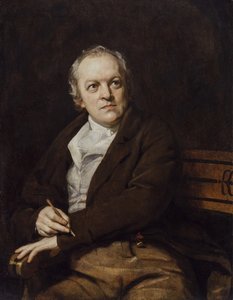
William Blake
1757 - 1827 , Reino Unido
Dados Rápidos
- Artistic Movement Or Style: Romantismo
- Artists Or Movements Influenced By This Artist:
- Irmandade Pré-Rafaelita
- Simbolismo
- Modernismo
- Artists Who Influenced This Artist:
- Rafael
- Michelangelo
- Date Of Birth: 1757
- Date Of Death: 1827
- Full Name: William Blake
- Nationality: Britânico
- Notable Artworks:
- The Ancient of Days
- Isaac Newton
- The Tyger
- The Lamb
- London
- Place Of Birth: Londres, Reino Unido
Artigos Relacionados

Timeless Mythology Masterpieces: A Strategic Procurement Guide for Professional Hospitality & Hotel Interiors
Optimize hospitality interiors with premium mythological painting reproductions. APS provides professional, high-volume art procurement for hotel designers, featuring hand-painted oils, custom multi-panel sets, and seamless global logistics. Reliable, scalable, and museum-grade.


