Garantia de Reembolso · 100 dias Entrega gratuita para todo o mundo
449.564obras de arte 30.613artistas 4.658museus 32idiomas
Entrada de catálogo

The blasphemous Capaneus

Acrylic On Canvas.

Fig. 1. William Blake, The blasphemous Capaneus. Apresentado como a reprodução que você está especificando: , .

§ 1Dados do catálogo

§ 2Abstrato

Descrição do Item

William Blake's "Capaneus" depicts a dramatic biblical tale of defiance against divine authority. Featuring three figures and a reclining man, the painting embodies Romantic ideals through its intense atmosphere and symbolic representation.

Biografia do Artista

Descubra 'Hecate' de William Blake: uma obra-prima da arte romântica que explora a figura mística da deusa grega, seus símbolos e a visão única do artista. Uma jornada visual e espiritual.

§ 3Comentário

The Blasphemous Capaneus: A Visionary Confrontation

William Blake’s “The Blasphemous Capaneus” isn't merely a painting; it’s an embodiment of Romantic idealism wrestling with biblical transgression, rendered in a style that anticipates Surrealism decades before its formal emergence. Created around 1814-15 during Blake’s intensely productive period—a time marked by feverish creativity and profound spiritual exploration—the artwork transcends simple depiction, striving instead to convey a complex tapestry of psychological and symbolic resonance.
  • Subject Matter & Narrative: The painting confronts viewers with the biblical tale of Capaneus, King of Corinth, who defiantly challenged God’s authority by demanding that he allow him to ascend heaven and pronounce judgment upon his fellow monarchs. Blake eschews literal representation, opting for a dreamlike tableau that captures the essence of this audacious defiance rather than its precise visual details.
  • Style & Technique: Blake's distinctive style—characterized by bold lines, flattened perspective, and vibrant color palettes—is immediately recognizable. He employs engraving techniques honed during his apprenticeship with James Basire, layering intricate linework over colored plates to achieve a stunning textural effect. This meticulous process lends the image an otherworldly luminescence, mirroring the artist’s preoccupation with visionary states.

Historical Context: Romantic Rebellion Against Divine Order

“The Blasphemous Capaneus” emerges from the turbulent intellectual landscape of the Romantic era—a movement fueled by disillusionment with Enlightenment rationalism and a fervent yearning for spiritual renewal. Blake’s work reflects the broader anxieties surrounding societal progress and the perceived decline of moral values, positioning Capaneus as a symbol of human arrogance and resistance to divine providence. The painting anticipates the Surrealist fascination with unconscious imagery and dreamlike distortions—a stylistic precursor that underscores Blake's pioneering role in challenging conventional artistic conventions.
  • Symbolism: The central figure of Capaneus dominates the composition, sprawled on the ground yet radiating an aura of defiant grandeur. Surrounding him are smaller figures representing angels and demons—a deliberate juxtaposition that symbolizes the battle between faith and impiety. Blake’s masterful use of color—particularly crimson—evokes associations with blood sacrifice and divine retribution, reinforcing the painting's thematic core.

Emotional Impact & Artistic Legacy

“The Blasphemous Capaneus” commands attention through its unsettling beauty. Blake’s deliberate manipulation of perspective and color creates a palpable sense of drama and tension—drawing viewers into the artist's psychological realm. The painting speaks to themes of rebellion, transgression, and the confrontation between humanity and divinity—provoking contemplation on questions of morality and faith. Its enduring influence can be seen in subsequent artistic movements—most notably Surrealism—demonstrating Blake’s profound contribution to the history of art and his unwavering commitment to exploring the depths of human consciousness.
  • Conclusion: More than just a depiction of biblical lore, “The Blasphemous Capaneus” represents Blake's audacious assertion of artistic freedom—a refusal to conform to societal expectations and an embrace of visionary imagination. It remains a testament to the transformative power of art—inspiring viewers to confront uncomfortable truths and to grapple with existential dilemmas.

Perguntas e Respostas

Que tipo de obra é "The blasphemous Capaneus"?

No catálogo, "The blasphemous Capaneus", de William Blake está registrado como WallArt. A categoria ajuda a encontrar obras semelhantes.

Como "The blasphemous Capaneus" se integra aos temas e ao estilo de William Blake?

Na produção de William Blake, "The blasphemous Capaneus" insere-se no estilo Romantic Age Romantic Age, acompanhando os temas de blake visionary style, religious mythos, divine justice, romantic beliefs, artistic legacy.

Qual tamanho de reprodução é sugerido para "The blasphemous Capaneus", de William Blake?

Sugere-se uma reprodução de Large para "The blasphemous Capaneus", de William Blake. O tamanho pode ser ajustado mantendo as proporções.
§ 4O artista

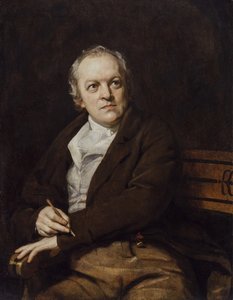
William Blake

William Blake

1757 - 1827, Reino Unido

Informações rápidas sobre William Blake

  • Artistic Movement Or Style: Romantismo
  • Artists Who Influenced This Artist:
    • Rafael
    • Michelangelo
  • Date Of Birth: 1757
  • Date Of Death: 1827
  • Full Name: William Blake
  • Nationality: Britânico
  • Notable Artworks:
    • Canções da Innocência e da Experiência
    • O Casamento do Céu e do Inferno
    • O Tigre
    • Jerusalém
  • Place Of Birth: Londres, Reino Unido

Biografia do Artista

A Visionary’s Journey: The Life and Art of William Blake

William Blake, born in London on November 28, 1757, was a figure perpetually out of step with his time, yet destined to become one of the most celebrated artists and poets of the Romantic Age. His life unfolded against the backdrop of a rapidly changing England—a world grappling with industrialization, political upheaval, and shifting spiritual beliefs. From humble beginnings as the son of a hosier, Blake’s early years were marked by an intensely vivid imagination and a propensity for visionary experiences that would profoundly shape his artistic trajectory. Though largely self-taught in formal academics, he received drawing instruction at a young age, quickly revealing a talent that hinted at the extraordinary path ahead. His apprenticeship with engraver James Basire proved pivotal, providing him not only with technical mastery but also an understanding of printmaking techniques he would later revolutionize. These early influences—the Gothic grandeur of Westminster Abbey, the classical forms of Raphael and Michelangelo—served as foundational elements in his developing aesthetic, though Blake was never one to remain bound by convention.

The Illuminated World: Technique and Innovation

Blake’s artistic innovation wasn't merely about subject matter; it resided fundamentally in *how* he created. Dissatisfied with conventional engraving methods, he developed a unique process known as “illuminated printing.” This involved etching both text and illustrations onto copper plates, then hand-coloring the resulting prints—a laborious but deeply personal approach that allowed for complete artistic control. This wasn’t simply illustration accompanying poetry; it was an integrated art form where image and verse were inextricably linked, each enhancing the meaning of the other. His relief etching technique, born from a claimed visionary experience following his brother's death, further distinguished his work, granting it a distinctive textural quality and allowing for greater artistic freedom than traditional methods. Beyond printmaking, Blake also worked with watercolors and tempera paints, often depicting biblical scenes or fantastical subjects imbued with symbolic weight. A key characteristic of his style was a deliberate rejection of linear perspective in favor of a more emotive, symbolic representation—a flattening of space that drew the viewer into the heart of his visionary world. He sought to capture not just what he saw but what he *felt*, channeling spiritual insight into every brushstroke and line of text.

Themes of Innocence, Experience, and Rebellion

The core of Blake’s artistic output lies in its exploration of profound themes: the duality of innocence and experience, the constraints of reason versus the liberating power of imagination, and a fierce critique of societal norms.
  • Songs of Innocence and of Experience (1794), perhaps his most accessible work, presents a contrasting vision of childhood—one idyllic and untainted, the other marked by hardship and corruption.
  • The Marriage of Heaven & Hell (1793) is a provocative prose poem that challenges conventional morality, celebrating energy, desire, and rebellion against restrictive doctrines.
  • His illustrations for Dante’s *Divine Comedy* showcase his dramatic vision and ability to translate complex narratives into powerful visual imagery.
Blake's symbolism is intensely personal yet universally resonant. The tiger, in his famous poem, embodies both the awe-inspiring beauty and terrifying power of creation. Jerusalem, a sprawling epic poem that occupied him for years, reflects his spiritual and political beliefs—a vision of a renewed Albion (ancient name for Britain) free from oppression. He wasn’t merely depicting stories; he was constructing an entire mythology, populated with archetypal figures representing states of mind, forces of nature, and the eternal struggle between good and evil.

A Legacy Rediscovered: Blake's Enduring Influence

During his lifetime, William Blake remained largely marginalized, misunderstood by many of his contemporaries. His work was often dismissed as eccentric or even mad. He struggled financially throughout much of his life, relying on commissions and the support of a small circle of patrons like Thomas Butts. However, in the decades following his death on August 12, 1827, Blake’s reputation began to grow steadily. The Pre-Raphaelites, captivated by his visionary style and symbolic imagery, embraced him as a kindred spirit. Later movements—Symbolism and Modernism—found resonance in his emphasis on imagination, subjective experience, and spiritual themes. Today, William Blake is recognized as a pivotal figure in the Romantic movement, an artist whose work continues to inspire poets, painters, and thinkers across disciplines. His exploration of complex philosophical and religious ideas through art remains profoundly relevant, challenging us to question conventional wisdom and embrace the power of individual vision. Blake’s legacy isn't simply about his artistic achievements; it is about his unwavering commitment to creative freedom—a testament to the enduring power of imagination in a world often dominated by reason and constraint.

§ 5Obras relacionadas

§ 6Perguntas

Informações Rápidas

  • Artistic style: Symbolic
  • Notable elements or techniques: Complex etching and aquatint printing
  • Influences: Blake's own imagination
  • Year: 1820
  • Title: The blasphemous Capaneus
  • Medium: Hand-colored engraving

Quiz de Arte

Cada pergunta possui apenas uma resposta correta.

Pergunta 1:
What biblical story does “The Blasphemous Capaneus” depict?
Pergunta 2:
William Blake is primarily known for his contributions to which artistic movement?
Pergunta 3:
The painting utilizes engraving techniques, a method pioneered by Blake. Why was this technique significant during Blake's time?
Pergunta 4:
What is the overall atmosphere conveyed by “The Blasphemous Capaneus”?
Pergunta 5:
Blake’s artistic style is characterized by a blend of imagination, symbolism, and visionary imagery. How does this stylistic approach reflect the broader intellectual currents of the Romantic Age?

§ 7Cite esta entrada

AllPaintingsStore.com, “William Blake, The blasphemous Capaneus”, https://allpaintingsstore.com/pt/art/william-blake-the-blasphemous-capaneus-8EWSDJ-en/ (acessado em 11 Outubro 2026).

§ 8A reprodução

Reprodução em Óleo Feita à Mão

Óleo sobre tela pintado à mão no tamanho e moldura de sua escolha, feito sob encomenda pelos nossos artistas. ( Alternar para Impressão Alternar para Imagem Digital)

Está especificado na margem da folha de pedido; o estado atual dessa folha é o seguinte.

The blasphemous Capaneus

Técnica de Reprodução

Tamanho da Reprodução

-

Artista Sênior de Elite

Mais detalhes, refinamento e tempo de produção adicional

-

Moldura para Reprodução

-

-

Para obras de arte ou reproduções com mais de 105 cm (aproximadamente 41 polegadas) em qualquer um dos lados, a moldura será enviada como um kit desmontado. Este método garante uma entrega segura e evita danos durante o transporte.

Montagem profissional necessária — este não é um produto DIY (faça você mesmo).
O kit deve ser montado e a tela esticada por um profissional de molduraria experiente, utilizando cola de madeira (não inclusa), um alicate de esticar tela e grampos para manter as travessas alinhadas enquanto a cola seca. A montagem incorreta ou a tensão desigual da tela podem danificar permanentemente a obra de arte e não estão cobertas pela nossa garantia.

  • Todas as barras de madeira maciça estão incluídas, precisamente cortadas ao tamanho certo.

  • Montado com os parafusos fornecidos, além de cola para madeira para as junções dos cantos, que não está inclusa e deve ser providenciada pelo seu moldurista.

  • São necessárias ferramentas profissionais não incluídas: um alicate de estiramento de tela (esticador) e grampos para manter as ripas alinhadas enquanto a cola seca.

Importante:
As junções dos cantos requerem cola para madeira, as ripas devem ser mantidas com grampos até que a cola esteja completamente seca, e o estiramento da tela na moldura montada requer um alicate de esticar tela. Nenhum destes itens está incluído no kit. Por favor, certifique-se de contar com um profissional de molduraria experiente antes de encomendar este tamanho.

Etiqueta de identificação

-

-

Verniz de Proteção

Verniz brilhante (realça as cores e protege contra a luz e a umidade)

-

Personalizar minha obra

Exemplos de alterações possíveis: Substituir o rosto por uma foto do cliente; Adicionar um animal de estimação (ex.: substituir gato por cachorro); Incluir uma mensagem oculta no fundo; Alterar a paisagem ou os elementos do fundo.

-

Urgente

Entrega mundial () em 3 a 4 semanas, em vez das 5 semanas padrão. (8 Novembro). Sem comprometer a qualidade.

-

Envio Expresso

Entrega mundial para em 5 semanas. (15 Novembro).

Com envio incluído

Preço Total

€ 230

Incluído em todos os pedidos

  • Envio expresso gratuito para todo o mundo
  • Tela de Linho de Alta Qualidade
  • Seguro de transporte completo
  • Garantia de Reembolso de Impostos Alfandegários
  • Garantia de Fidelidade Cromática
  • Política de Devolução em 100 Dias (Apenas para Defeitos)
  • Garantia de reembolso de 100%
  • Oferta de desconto por quantidade
Folha de pedido