

Acrílico sobre tela.

§ 1Dados do catálogo

§ 2Abstrato
Descrição do Item
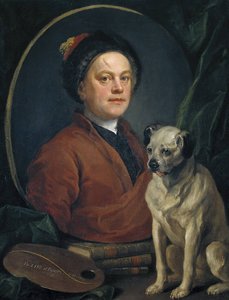
Uma obra-prima de William Hogarth que retrata Simon Lord Lovat em uma postura formal e detalhada, capturando o espírito da época barroca e influenciada pela sociedade londrina do século XVIII.
 Ler mais
Biografia do Artista
Explore o mundo satírico de William Hogarth (1697-1764), pintor e gravur inglês pioneiro. Descubra *A Harlot's Progress* e comentários sociais perspicazes.
§ 3Comentário
Simon Lord Lovat: A Portrait of Rebellion and Dignity
William Hogarth’s “Simon Lord Lovat” transcends mere visual representation; it's a meticulously crafted snapshot of an era defined by political upheaval and aristocratic ambition. Executed in 1746, this etching captures Simon Fraser, eleventh Lord Lovat—a prominent Jacobite supporter who bravely defended Charles II against the Hanoverian succession—in a moment of quiet contemplation amidst opulent surroundings. The artwork’s enduring power lies not only in its technical brilliance but also in its subtle commentary on social status and moral responsibility.- Artist: William Hogarth (1697 – 1764), a pivotal figure in British art history, championed realism and satire within the Rococo/Baroque tradition.
- Medium: Engraving on copper plate, demonstrating Hogarth’s mastery of printmaking techniques—specifically hatching and crosshatching—to achieve remarkable tonal depth and textural detail.
- Dimensions: Approximately 36.2 x 23.3 cm (plate), reflecting the meticulous scale demanded by portraiture commissions during his time.
Symbolism & Technique: Decoding Hogarth's Vision
The etching’s meticulous detail—from the folds in Lovat’s clothing to the intricate patterns of the chair—is achieved through painstaking engraving, a process that involved carving lines into a metal plate before transferring ink and printing. This technique wasn’t simply about reproducing an image; it was about conveying emotion and intellect. The book symbolizes knowledge and authority – qualities valued by the nobility during Hogarth's time. Furthermore, the artist’s deliberate use of hatching and crosshatching elevates the artwork beyond mere representation, transforming it into a vehicle for moral commentary.Historical Context: Culloden and Jacobite Resistance
“Simon Lord Lovat” emerged from the aftermath of the Battle of Culloden (1746), marking the decisive defeat of Charles II’s supporters—the Jacobites—and solidifying William III's rule. Hogarth skillfully captured a moment of introspection amidst this momentous occasion, reflecting the anxieties and aspirations of a nation grappling with political change. The etching serves as a poignant reminder of the human cost of rebellion and the enduring legacy of historical events.Emotional Impact: Dignity Amidst Adversity
Ultimately, “Simon Lord Lovat” transcends its formal portraiture conventions to convey a profound sense of dignity—a quiet resilience in the face of impending doom. The artwork’s understated elegance and masterful technique invite viewers to contemplate themes of honor, conviction, and the complexities of human character. It remains an enduring symbol of artistic integrity and a captivating glimpse into the spirit of a bygone era.Perguntas e Respostas
Para que tipo de uso é recomendada uma reprodução de "Simão Lord Lovat", de William Hogarth?
A recomendação de uso para uma impressão de "Simão Lord Lovat" é Acento cromático.
Que tipo de obra de arte é "Simão Lord Lovat", de William Hogarth?
No catálogo, "Simão Lord Lovat", de William Hogarth está registrado como Arte de Parede. A categoria ajuda a encontrar obras semelhantes.
Que emoção a obra "Simão Lord Lovat" do Baroque Rococo transmite?
A emoção Contemplativo de "Simão Lord Lovat" acompanha seu estilo Baroque Rococo.


 Alternar para Impressão


 Para obras de arte ou reproduções com mais de 105 cm (aproximadamente 41 polegadas) em qualquer um dos lados, a moldura será enviada como um kit desmontado. Este método garante uma entrega segura e evita danos durante o transporte.


