

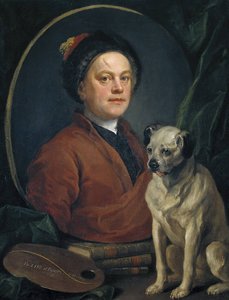
1735. Oil On Canvas, 62.0 x 75.0 cm.

§ 1Dados do catálogo

- 62.0 x 75.0 cm


§ 2Abstrato
Descrição do Item
William Hogarth’s "The Heir" (1735) captures a poignant family scene with a striking figure in a red hat, showcasing the artist's satirical style and detailed observation of 18th-century life. Discover this classic artwork and bring its timeless narrative into your space.
 Ler mais
Biografia do Artista
Explore o mundo satírico de William Hogarth (1697-1764), pintor e gravur inglês pioneiro. Descubra *A Harlot's Progress* e comentários sociais perspicazes.
§ 3Comentário
William Hogarth's "The Heir": A Portrait of Societal Critique
William Hogarth’s “The Heir,” completed in 1735, is more than simply a depiction of a domestic scene; it’s a meticulously crafted social commentary rendered with the precision and moralizing zeal that defined the artist's career. This intimate tableau, measuring 62 x 75 cm, captures a family gathering within their London home, offering a stark glimpse into the burgeoning anxieties surrounding inheritance and social mobility during the Georgian era. The painting’s immediate impact stems from its dramatic composition – a man in a flamboyant red hat dominates the foreground, seemingly issuing instructions or engaging in a critical exchange, immediately drawing the viewer's attention to his position of authority.
- Subject Matter: The scene portrays a family group engaged in conversation and activity within their home.
- Composition: Hogarth masterfully employs diagonal lines and contrasting figures to create a dynamic and unsettling effect, emphasizing the potential for discord and ruin.
- Setting: A richly detailed domestic interior provides context for the narrative, reflecting the aspirations and anxieties of the wealthy merchant class.
A Study in Moral Allegory
Hogarth’s work is renowned for its moralizing intent, and “The Heir” exemplifies this perfectly. The central figure, a young man dressed in fine clothes, represents the heir to a fortune – but his demeanor suggests a lack of responsibility and an inclination towards frivolous pursuits. He is surrounded by figures who seem to be reacting to his actions, hinting at the potential consequences of unchecked ambition and disregard for propriety. This wasn't merely portraiture; it was a carefully constructed moral lesson, reflecting Hogarth’s deep-seated belief in the importance of virtue and industriousness.
The inclusion of details like the dining table laden with books – symbols of knowledge and education – further underscores the painting’s didactic purpose. The windows, providing ample natural light, illuminate not just the scene but also the potential for both enlightenment and corruption.
Technique and Style: Hogarth's Distinct Vision
Hogarth developed a highly distinctive style characterized by its meticulous detail, narrative clarity, and use of sequential scenes to tell stories. “The Heir” showcases his mastery of engraving and painting, utilizing a technique known as ‘grisaille’ – working in monochrome before applying color – to achieve remarkable tonal range and dramatic effect. His attention to the textures of fabrics, the gleam of polished surfaces, and the subtle expressions on the figures' faces creates an incredibly immersive experience for the viewer. This meticulous approach was revolutionary for its time, elevating portraiture beyond mere likeness to a form of visual storytelling.
Symbolism and Emotional Resonance
"The Heir" resonates with profound symbolism, reflecting anxieties about social status, wealth, and the precariousness of fortune. The red hat worn by the central figure is particularly significant, potentially representing vanity or even rebellion against established norms. The overall mood is one of unease and foreboding, suggesting that the heir’s actions will have dire consequences. The painting's enduring appeal lies in its ability to tap into universal themes of ambition, responsibility, and the potential for human fallibility – a timeless exploration of the human condition rendered with Hogarth’s unparalleled skill and moral vision.
Perguntas e Respostas
"The heir", de William Hogarth é uma obra de arte clara ou escura?
Em termos de luminosidade percebida, "The heir", de William Hogarth é shadow.
Que tipo de obra é "The heir"?
"The heir", de William Hogarth é classificado como WallArt. A categoria descreve o tipo de obra de arte que a peça original representa.
Como "The heir" se posiciona entre os temas recorrentes de William Hogarth?
"The heir" retrata family portrait, 18th century, british art, social satire, hogarth's style, wealth disparity, domestic scene, enquanto os temas recorrentes de William Hogarth são social commentary satire, moralizing didacticism hogarth, urban london life, critique societal norms, illustrative narrative style. A comparação entre ambos revela como a obra se relaciona com os temas habituais do artista.


 Alternar para Impressão


 Para obras de arte ou reproduções com mais de 105 cm (aproximadamente 41 polegadas) em qualquer um dos lados, a moldura será enviada como um kit desmontado. Este método garante uma entrega segura e evita danos durante o transporte.


