


 Visualizar na parede

 Compartilhar
 Compartilhar
 Detalhes
 Guia


 Baixar imagem
 Semelhantes
 Raio X
 Ver diaporama
 Perguntas e Respostas
 Estatísticas
Obra sem título de William Morris

- 57.0 x 962.0 cm


 Ler mais
Giclée / Impressão de Arte
Impressão giclée ou em tela de qualidade de museu, com produção rápida e opções flexíveis de acabamento. ( Comprar pintura feita à mão Alternar para Imagem Digital)

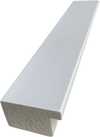
P118B €10
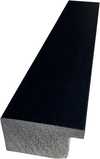
P118H €10
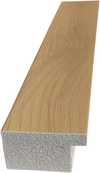
P118W €10
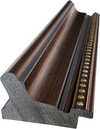
P438Z €10
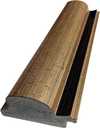
P508JH €12

P508YH €12
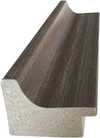
P805H €10
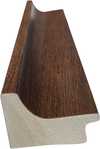
P805Z €10
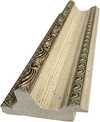
P919BZ €10
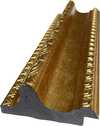
P919G €10
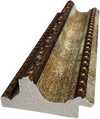
P919XJ €10
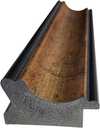
P959ZH €10
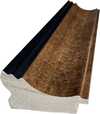
P968JZ €12
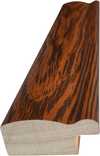
W106C €8
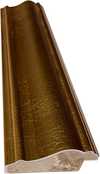
W218G €10

W218JH €8
W218Y €10
W307PJ €10

W316G €10
W316PJ €8
W316Y €10
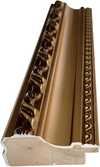
W398PJ €8
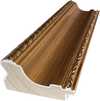
W4111J €10
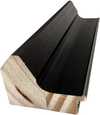
W500HY €15
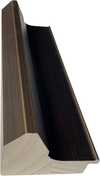
W500JH €15
W692G €12
W849H €8
W940BG €15
W953PJ €8
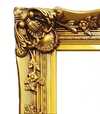
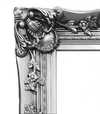
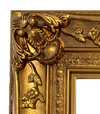
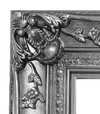
Escolha entre os nossos tamanhos pré-definidos que respeitam as proporções originais da obra de arte.

Insira a largura e a altura desejadas para se ajustarem à sua moldura ou parede. Uma impressão pode ser apenas cortada, nunca ampliada além da imagem original; portanto, um tamanho com proporções diferentes resultará na perda de parte da imagem. Enviamos uma maquete digital para sua aprovação antes de realizarmos a impressão. A imagem exibida nesta página não mostra o corte real — apenas a maquete o faz.
Entrega mundial () em 2 semanas, em vez das 4/5 semanas padrão. (16 Novembro)

Envio expresso gratuito para todo o mundo

Tela de Linho de Alta Qualidade

Seguro de transporte completo

Garantia de Reembolso de Impostos Alfandegários

Garantia de Fidelidade Cromática

Política de Devolução em 100 Dias (Apenas para Defeitos)

Garantia de reembolso de 100%

Oferta de desconto por quantidade
 A opção de vidro está disponível apenas para tamanhos inferiores a 110 cm

None
Giclée / Impressão de Arte
Tamanho da Reprodução
-


Preço Total
€ 58
Identification of the Pimpernel Wallpaper Design
The wallpaper design known as Pimpernel emerged from the mind of William Morris around 1876. This work reflects the vision of the English architect, designer, craftsman and theorist William Morris. It captures a specific moment in the late nineteenth century when the lines between domestic utility and fine art began to blur. The pattern seeks to bring the quiet rhythms of the natural world into the structured interiors of the Victorian era.
William Morris conceived this design as a way to integrate botanical life into the fabric of the home. The Pimpernel pattern is a wallpaper design that relies on the repetition of organic forms. It functions as a visual echo of the garden, translated into a rhythmic sequence of flora. Each line follows the logic of a growing stem or a reaching leaf.
The work exists as a structured arrangement of botanical elements. It is a product of the Arts and Crafts movement, born from a desire to prioritize the hand of the maker. Through this design, the artist sought to find a balance between the wildness of nature and the order of the printed surface. A single petal rests in the stillness of the pattern.
Visual Composition and Floral Motifs
Curvilinear acanthus leaves wind through the space, creating a rhythmic movement across the surface. These forms intertwine with climber willow and honeysuckle branches, forming a dense, interlocking network. The pattern relies on an intricate and detailed arrangement where every leaf and stem finds its place within the organic geometry. It is a quiet, structured growth.
Chrysanthemums and jasmines emerge from the foliage, their shapes softened by the surrounding greenery. Willow branches weave through the composition, adding a sense of layered depth to the botanical scene. The color palette remains restrained, dominated by shades of blue that suggest a calm, shaded garden. Ivory and pale greens provide a delicate contrast to these deeper tones.
Technique and Material Production
The creation of this design relied on the steady hand of the artisan. Using hand-printing techniques, the intricate floral patterns were pressed onto linen fabric. Each movement of the printer required precision to ensure the botanical forms appeared with a remarkable level of realism. The texture of the linen holds the ink, grounding the delicate shapes of the pimpernel and willow in a tangible, physical reality.
This labor-intensive process reflects a deep commitment to traditional artisanal skills. Rather than the sterile repetition of a machine, the work carries the weight of meticulous human effort. Every stem and leaf was placed with a specific intent, honoring the slow rhythm of manual craft. The final result is a surface where the organic lines of nature meet the disciplined touch of the maker.
Artistic Style and Movement Influence
The design belongs to the Arts and Crafts Movement, a reaction against the cold precision of the industrial age. It seeks a return to the hand of the maker. This piece carries a distinct Oriental influence, pulling from the quietude of the Far East to reshape Victorian interiors. The patterns do not shout; they whisper through a lens of Japonisme.
Eastern stylistic conventions dictate the flow of the composition. The work reflects the influence of Japanese design principles, favoring a restrained elegance over heavy ornamentation. It is a translation of distant aesthetics into a local language of line and form. The curvilinear movement of the stems mirrors the serene balance found in Japanese art.
This aesthetic approach creates a bridge between two worlds. The pattern uses the logic of the East to find a new rhythm for the English home. It is a quiet rebellion of nature against the machine. A single leaf rests in perfect, deliberate balance.
Current Location and Museum Collection
The Pimpernel wallpaper design resides within the Nacionálny múzeum dekoratívneho umelí Madrid. This collection preserves the work in Madrid, Spain. It remains a part of the National Museum of Decorative Arts. The physical presence of the piece is defined by its long, narrow scale, measuring 57 x 962 cm.
The museum halls hold this linen fragment. It rests as a quiet specimen of the Arts and Crafts Movement. The blue hues and floral lines exist here, kept within the Spanish institution. A stillness settles over the pattern in its current home.
Perguntas e Respostas
Por quais outros nomes William Morris é conhecido(a)?
William Morris também é conhecido como Não há nomes alternativos conhecidos..
Obras Relacionadas


Biografia do Artista
Uma Vida Enraizada na Natureza e no Romance
William Morris, nascido em 24 de março de 1834, em Walthamstow, Essex, emergiu de uma classe média confortavelmente próspera — uma circunstância que lhe proporcionou a liberdade de perseguir paixões em vez de profissões. O sucesso de seu pai como financista proporcionou não apenas segurança, mas também um ambiente onde as sensibilidades estéticas pudessem florescer. A infância de Morris foi profundamente moldada pelo campo inglês que cercava sua casa e por uma fascinação por contos de cavalaria medieval, lançando as bases para uma devoção vitalícia tanto à beleza natural quanto às narrativas românticas. Essas influências precoces não eram meramente sentimentais; elas formaram o cerne de sua filosofia artística. Ele não era simplesmente inspirado pela natureza ou pelo passado — ele acreditava na superioridade moral e estética inerente destes em relação ao presente em rápida industrialização. Sua educação formal na Universidade de Oxford inicialmente o direcionou para um caminho clerical, mas foi dentro dos vibrantes círculos intelectuais da universidade que sua verdadeira vocação começou a tomar forma. Ele juntou-se ao “The Set”, um grupo de estudantes que compartilhavam um interesse intenso por arte, literatura e história medieval, forjando amizades — notadamente com Edward Burne-Jones — que impactariam profundamente sua trajetória artística. Foi durante este período que ele encontrou os escritos de John Ruskin, cuja crítica à sociedade industrial e defesa do artesanato ressoaram profundamente nas crenças emergentes de Morris.A Revolução Arts & Crafts
Após Oxford, uma breve incursão na arquitetura rapidamente deu lugar à pintura, enquanto Morris colaborava com Dante Gabriel Rossetti em projetos de murais. No entanto, foi a fundação da Morris, Marshall, Faulkner & Co. em 1861 — mais tarde conhecida simplesmente como Morris & Co. — que marcou um momento crucial, não apenas em sua carreira, mas na história do design. Este não era meramente um empreendimento comercial; era uma tentativa de criar uma nova forma de vida, onde a arte permeasse todos os aspectos da existência diária e o artesanato fosse valorizado acima de tudo. Ao lado de Burne-Jones, Rossetti, Philip Webb e outros, Morris buscou reviver técnicas tradicionais e produzir objetos belos e bem feitos para o lar. O trabalho inicial da empresa foi profundamente influenciado pela Red House, uma residência que Morris encomendou a Webb — uma estrutura que personificava o ideal Arts & Crafts de criar um ambiente estético unificado através de mobiliário e decoração feitos à mão. Morris tornou-se uma voz líder no florescente movimento Arts & Crafts, defendendo o trabalho artesanal como um antídoto aos efeitos desumanizadores percebidos da produção em massa. Ele acreditava apaixonadamente que a arte deveria ser acessível a todos, não apenas à elite rica, e que deveria ser integrada à vida cotidiana — uma noção radical em uma época em que o design era frequentemente visto como separado da função. Esta filosofia estendia-se além da mera estética; estava enraizada em uma profunda consciência social e no desejo de melhorar a vida das classes trabalhadoras.Um Legado Tecido em Têxteis, Poesia e Impressão
Embora a Morris & Co. abrangesse uma vasta gama de artes decorativas — móveis, vitrais, tapetes — ele é talvez mais celebrado por seus designs têxteis. Estes não eram meramente padrões; eram narrativas intrincadas tecidas com motivos florais fluidos, folhagens exuberantes e cores ricas e evocativas. Seus papéis de parede, em particular, revolucionaram o design de interiores, afastando-se das imitações estéreis prevalentes durante a era vitoriana em direção a criações inspiradas na natureza que eram simultaneamente belas e funcionais. Ele não apenas projetava esses padrões; ele mergulhava no processo de sua criação, compreendendo as nuances das técnicas de tingimento e dos métodos de tecelagem. Além dos têxteis, Morris reviveu a arte da tapeçaria, produzindo tapeçarias narrativas de grande escala baseadas em romances medievais e lendas arturianas — obras que demonstravam sua habilidade como contador de histórias e sua profunda conexão com o passado. Sua energia criativa não se limitava às artes visuais; ele também foi um escritor prolífico, compondo poesia, romances e traduções. The Earthly Paradise (1868-18not) e News from Nowhere (1890) são testemunhos de seu talento literário e de sua visão utópica de uma sociedade enraizada no artesanato e na justiça social. Em 1890, ele fundou a Kelmscott Press, uma prensa tipográfica privada dedicada à produção de livros de alta qualidade com tipografia e ilustrações belíssimas — um empreendimento que influenciou profundamente o design editorial moderno.Socialismo, Conservação e Influência Duradoura
O compromisso de Morris estendia-se além da estética para o reino do ativismo social. Ele envolveu-se cada vez mais na política socialista, defendendo os direitos dos trabalhadores e a reforma social. Acreditava que uma sociedade verdadeiramente bela não poderia existir sem igualdade econômica e justiça — uma convicção que informou tanto sua arte quanto seus escritos políticos. Isso não era uma teorização abstrata; ele apoiou ativamente várias causas socialistas e usou sua plataforma para aumentar a conscientização sobre a situação das pessoas trabalhadoras. Além disso, Morris foi um pioneiro na conservação, reconhecendo a importância de preservar edifícios históricos e paisagens para as gerações futuras. Ele compreendia que essas estruturas não eram meramente relíquias do passado, mas elos vitais com a identidade cultural e a inspiração artística. A William Morris Gallery em Walthamstow permanece como um testemunho de seu legado duradouro, exibindo seu trabalho e oferecendo visões sobre sua vida e ideias. Hoje, seus designs continuam a inspirar artistas e designers de diversas disciplinas. Sua ênfase no artesanato, nas formas naturais e no design integrado teve um impacto duradouro na decoração de interiores, na arte têxtil e no design gráfico. Sua visão de um mundo onde beleza e utilidade estão entrelaçadas — e onde a arte é acessível a todos — permanece tão relevante hoje quanto era no século XIX. William Morris não foi apenas um artista; ele foi um visionário que buscou transformar a sociedade através do poder do design, do artesanato e da justiça social.
William Morris
1834 - 1896 , Reino Unido
Dados Rápidos
- Artistic Movement Or Style: Arts & Crafts
- Artists Who Influenced This Artist:
- John Ruskin
- Edward Burne-Jones
- Date Of Birth: 24 março de 1834
- Date Of Death: 3 outubro de 1896
- Full Name: William Morris
- Nationality: Britânico
- Notable Artworks:
- Sun and moon angels
- Oak leaves in All Saints
- Judas Maccabaeus
- Place Of Birth (City And Country): Walthamstow, Reino Unido
Artigos Relacionados

25 Must-See Masterpieces at the Museo del Prado, Madrid
Journey through history with the 25 greatest masterpieces of Madrid's Museo del Prado. From Velázquez to Goya, explore the stories behind these iconic works and find museum-quality art reproductions for your decor. Discover all masterpieces on AllPaintingsStore.com.

Victorian Botanical Art: A Professional Guide to Sourcing Timeless Floral Reproductions for Luxury Hotel Interiors
Elevate hospitality interiors with premium Victorian botanical art reproductions. A professional guide for hotel designers on sourcing hand-painted oils and large-scale murals, featuring expert procurement advice, bulk ordering, and reliable global logistics for luxury spaces.

Orientalism Art Movement: An Expert Guide to Exoticism and Masterpiece Reproductions for Luxury Interior Design
Master the use of Orientalist art in luxury hospitality. Our expert guide explores 19th-century masterpieces, offering professional insights for hotel designers sourcing high-quality, hand-painted oil reproductions and large-scale murals to create evocative, exotic interiors.

