Acrylic On Canvas.

§ 1Catalogue data

Această lucrare este protejată de drepturile de autor
Lucrarea de artă afișată pe această pagină este protejată de legile privind drepturile de autor, ceea ce înseamnă că nu putem crea sau vinde în mod legal o reproducere identică. Această protecție este garantată prin acorduri internaționale, precum Convenția de la Berna și de legile naționale, inclusiv cele prevăzute de Legea dreptului de autor din S.U.A. – Titlul 17. Toate drepturile rezervate. Orice reproducere neautorizată este interzisă.
Ca alternativă respectuoasă și legală, oferim tablouri pictate manual, personalizate, inspirate de original. Artistii noștri experimentați și profesioniști studiază cu atenție stilul, starea de spirit și esența artistică a originalului pentru a crea o piesă nouă și unică, care evocă aceeași emoție – rămânând, în același timp, o creație originală în sine.
Această metodă respectă pe deplin reglementările privind drepturile de autor, deoarece nu implică copierea sau duplicarea operei protejate. În schimb, este o reinterpretare creativă – o pictură nouă, influențată de original, dar care nu este identică cu acesta.
 Citește mai mult
§ 2Abstract
Descriere obiect de colecție
Explore Andy Warhol's legacy! The Foundation champions experimental art & cultural impact through grants, licensing & preservation. Discover innovative artistic practice & support vital creative conversations.
Biografie artist
Descoperă Andy Warhol (1928-1987), pionierul Pop Art și simbol al culturii americane! Silkescreen-uri iconice, filme provocatoare și obsesia pentru celebritate în operele sale emblematice.
§ 3Commentary
A Study in Quiet Intensity: Examining Andy Warhol’s Self Portrait
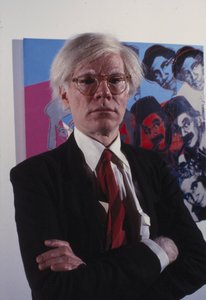
Andy Warhol's "Self Photo," taken in 1967, stands as a deceptively simple yet profoundly significant testament to the artist’s approach to portraiture and his broader engagement with the visual culture of his time. More than just a depiction of his physical appearance—a stark black and white image of Warhol himself—the photograph embodies Warhol's core artistic philosophy: an unwavering commitment to capturing reality without embellishment, mirroring the aesthetic principles that defined Pop Art as a whole.- Composition & Framing: The tightly cropped frame immediately draws attention to Warhol’s face and turtleneck sweater, prioritizing directness over expansive vistas. Positioning his head slightly off-center introduces a subtle dynamism, preventing the portrait from feeling static while maintaining an unwavering gaze that invites contemplation.
- Color Palette & Texture: Stripped bare of color, the image relies entirely on tonal variations to convey depth and texture. The grayscale palette—ranging from deep blacks to brilliant whites—creates a sense of immediacy and reinforces Warhol’s fascination with photographic reproduction as a method of capturing visual information. Delicate textures – the fuzziness of his hair, the knit of the turtleneck, and the smoothness of his skin – contribute to an impression of palpable presence.
- Lighting & Perspective: Soft, even lighting minimizes harsh shadows, fostering a feeling of understated elegance and reinforcing Warhol’s desire for objectivity. The frontal perspective eliminates depth of field, concentrating all visual energy on Warhol himself and relegating the blurred background to insignificance—a deliberate tactic that underscores his central role within the frame.
The Echoes of Pop Art: Contextualizing Warhol's Vision
“Self Photo” firmly establishes Warhol within the context of Pop Art, a movement that challenged traditional artistic conventions by elevating commonplace imagery—advertising billboards, comic books, and celebrity portraits—to the status of high art. Warhol’s decision to photograph himself rather than commission a formal portrait reflects this ethos: he eschewed elaborate stylistic gestures in favor of capturing his subject matter with unflinching honesty. This approach aligns perfectly with Pop Art's rejection of emotional expression and its embrace of repetition and mass production techniques—a deliberate strategy designed to destabilize notions of artistic originality and explore the influence of consumer culture on visual perception.Symbolism Beyond Appearance: Exploring Warhol’s Persona
While seemingly unremarkable at first glance, “Self Photo” offers a glimpse into Warhol's inner life – subtly conveyed through his slightly furrowed brow. This gesture hints at thoughtfulness and introspection, suggesting that Warhol wasn’t merely presenting an image of himself but attempting to communicate something deeper about his character. The photograph serves as a powerful reminder that even the most seemingly objective visual representations can carry significant symbolic weight, prompting viewers to consider the artist's motivations and anxieties beneath the surface.A Legacy of Minimalism: Warhol’s Technique & Influence
The image exemplifies Warhol’s masterful technique—a straightforward photographic portrait executed with meticulous attention to detail. Utilizing a medium format camera ensured exceptional sharpness and tonal accuracy, allowing Warhol to capture the nuances of his subject matter with remarkable precision. This commitment to simplicity – prioritizing clarity and directness over elaborate ornamentation – has had an enduring influence on subsequent generations of artists, establishing Warhol as a pioneer of minimalist aesthetics and demonstrating the transformative potential of embracing reductive visual strategies.Întrebări și răspunsuri
Cum echilibrează "Self Photo" lumina și întunericul?
"Self Photo" de Andy Warhol este înregistrat cu o bright, având o luminanță de Gentle Luminance.
Cum se încadrează „Self Photo” în temele și stilul lui Andy Warhol?
În creația lui Andy Warhol, „Self Photo” se înscrie în stilul Pop Art, alături de temele commercial illustration, pop iconography, reflection, minimalism style, warhol legacy.
Care este atmosfera generală a operei "Self Photo" de Andy Warhol?
"Self Photo" de Andy Warhol este descris prin atmosfera sa Minimalist. Această clasificare poate ajuta la integrarea lucrării într-un anumit decor.


 Comută pe versiunea Print


 Pentru opere de artă sau reproduceri care depășesc 105 cm (aproximativ 41 de inch) pe oricare dintre laturi, cadrul va fi livrat demontat, sub formă de kit. Această metodă asigură o livrare sigură și previne deteriorarea în timpul transportului.