


 Previzualizare

 Trimite prin felicitare
 Distribuie
 Detalii despre lucrare
 Ghid


 Descarcă imaginea
 Produse similare
 Radiografie
 Galerie foto
 Întrebări și răspunsuri
 Statistici
Sir Thomas Gresham

- 90.0 x 76.0 cm


 Vezi mai mult
Giclée / Imprimare artistică
Printuri giclée sau pe canvas de calitate muzeală, cu proces de producție rapid și opțiuni flexibile de finisare. ( Comandă pictură realizată manual Comută pe Imagine Digitală)
P118B lei10
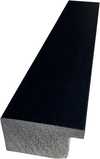
P118H lei10
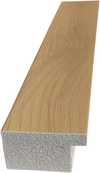
P118W lei10
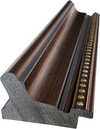
P438Z lei10
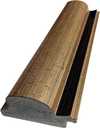
P508JH lei12
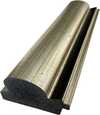
P508YH lei12
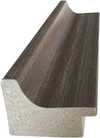
P805H lei10
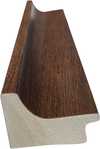
P805Z lei10
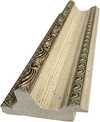
P919BZ lei10
P919G lei10
P919XJ lei10
P959ZH lei10
P968JZ lei12
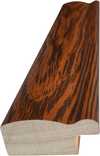
W106C lei8
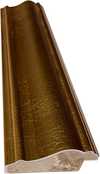
W218G lei10
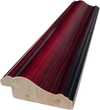
W218JH lei8
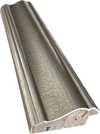
W218Y lei10
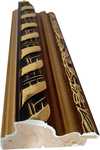
W307PJ lei10
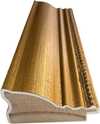
W316G lei10
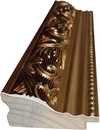
W316PJ lei8
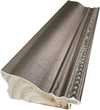
W316Y lei10
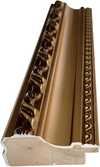
W398PJ lei8
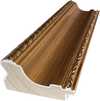
W4111J lei10
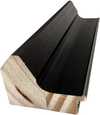
W500HY lei15
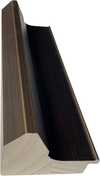
W500JH lei15
W692G lei12
W849H lei8
W940BG lei15
W953PJ lei8
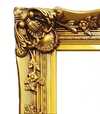
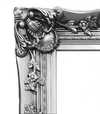
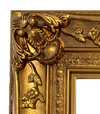
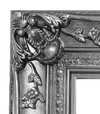
Alegeți dintre dimensiunile noastre prestabilite, care respectă proporțiile originale ale operei de artă.

Introduceți lățimea și înălțimea necesare pentru a se potrivi ramei sau peretelui dumneavoastră. O printare poate fi doar tăiată, niciodată extinsă dincolo de dimensiunea imaginii originale, astfel încât o dimensiune cu o formă diferită va pierde o parte din imagine. Vă trimitem o simulare digitală pentru aprobare înainte de a imprima orice. Imaginea afișată pe această pagină nu prezintă tăierea reală — doar simularea arată acest lucru.
Livrare în întreaga lume () în 2 săptămâni, în loc de cele 4/5 săptămâni standard. (19 Noiembrie)

Livrare expres gratuită la nivel mondial

Pânză de in de înaltă calitate

Asigurare completă pentru transport

Garanție de rambursare a taxelor vamale

Garanția fidelității culorilor

Politica de retur în 100 de zile (doar pentru defecte de fabricație)

Garanție de rambursare 100%

Ofertă pentru comenzi multiple
 Opțiunea cu sticlă este disponibilă doar pentru dimensiuni de sub 110 cm

Sir Thomas Gresham
Giclée / Imprimare artistică
Dimensiune reproducere
-


Preț total calculat
lei 309
Identification of the Portrait of Sir Thomas Gresham
In this portrait, Anthonis Mor Van Dashorst captures the steady presence of Sir Thomas Gresham. The subject sits before us, a man whose influence once shaped the financial landscape of Europe. As the leading English merchant in Antwerp and the financial agent for the English king in the Low Countries, Gresham carries a weight of responsibility in his gaze. He is the man who founded the Royal Exchange and established Gresham College in London, leaving a legacy etched into the very foundations of commerce and education.
The artist, Anthonis Mor Van Dashorst, brings a meticulous eye to this likeness. Born in Utrecht, Netherlands, Mor possesses a way of rendering the individual that feels immediate and alive. This specific work dates to 1560, a moment when the sitter's social standing and professional gravity are palpable. The portrait does more than record a face; it presents a man of significant purpose, frozen in a moment of quiet, commanding authority.
Composition and Visual Details
The subject sits firmly within a chair that dominates the lower portion of the frame, anchoring the entire scene. He is dressed in a black suit, his presence marked by a stern expression and the grooming of a beard and mustache. A collar frames his face, catching the light against the dark fabric of his attire. He holds a posture of quiet authority, his gaze fixed and unyielding. The weight of his position is felt in the stillness of his seated form.
In the space surrounding him, life unfolds in layers. One figure stands directly behind him in the foreground, adding a sense of depth to the immediate circle of the subject. Further back and to the right, a second person occupies the scene, partially distanced from the central focus. This arrangement creates a structured, tiered environment that draws the eye through the social hierarchy of the room. The background reveals a brick wall and an open window, suggesting a connection to the world outside the immediate interior.
Materials and Physical Characteristics
The physical presence of this portrait is defined by its substantial scale, measuring 90 x 76 cm. Originally rendered as an oil on panel, the work carries the weight and texture of its primary medium. The artist’s brushwork captures the subtle shifts in light across the subject's features, a task made possible by the careful application of oil pigments. This specific piece is identified by the object number SK-A-3119.
Time has left its mark on the very substance of the work. While it began its life on a rigid wooden support, the painting has undergone a significant transformation. The original oil on panel was transferred to canvas, a process that alters the way the surface interacts with light and shadow. This transition from wood to fabric changes the tactile quality of the work, lending a different character to the way the colors settle upon the grain.
History and Provenance of the Artwork
The journey of this portrait through the centuries carries it through the hands of emperors and across shifting political borders. At one point in its long history, the painting resides within the private collection of Catherine the Great of Russia. It remains in these imperial circles until the political tides of the twentieth century shift the work's destiny once more. The Soviet Union holds the painting, eventually deciding to sell it to the Rijksmuseum in 1931 to secure foreign currency.
The physical life of the work has seen significant changes to ensure its survival. In 1872, the portrait undergoes a major transformation when the painting of Anne Fernely is transferred from its original panel onto canvas. This restoration marks a pivotal moment in how the work presents itself to the eye. The movement from wood to fabric alters the very substance of the piece, preserving the likeness of the merchant for future generations to witness.
Related Works by Anthonis Mor Van Dashorst
The visual narrative of this portrait finds its companion in the likeness of Anne Fernely, the wife of Gresham. As a pendant to this work, her portrait completes a shared history, capturing the presence of the woman who stood alongside the merchant. This connection links the two figures through a shared space and a shared life, creating a dual presence that speaks to their status and their union.
Mor’s brush also moved through the halls of power, capturing the regal bearing of Mary Tudor, Queen of England, in 1554. His ability to navigate the requirements of the court is evident in his service as a painter to the Spanish king. This high-level patronage allowed him to observe the nuances of nobility and the weight of authority that defined the sixteenth century.
In 1560, the artist turned his attention to Anne Fernel, the Wife of Sir Thomas Gresham. This portrait offers another window into the social fabric of the era, focusing on the character and dignity of the sitter. Through these various commissions, the artist’s hand moves between the private intimacy of a marriage and the public grandeur of royal courts.
Where to See the Artwork Today
The presence of Sir Thomas Gresham remains a constant within the halls of the Rijksmuseum in Amsterdam. Visitors find him held within this prestigious collection, where he resides as part of the museum's permanent holdings. He is identified by the object number SK-A-3119, a mark that traces his place within the museum's vast archives. To stand before him is to encounter a figure preserved through centuries of careful stewardship.
This portrait is kept in the Rijksmuseum, Amsterdam, where the quiet dignity of the subject is maintained for those who seek it. The painting exists as a physical part of the museum's curated environment, allowing the gaze of the viewer to meet the stern expression of the merchant. He remains a fixture of the Dutch institution, a silent inhabitant of the galleries in Amsterdam.
Întrebări și răspunsuri
Pot viziona "Sir Thomas Gresham" sub formă de diaporama cu ecran întreg?
Diaporama pentru "Sir Thomas Gresham" poate fi vizualizată pe pagina Galerie foto a operei de artă.
Ce tehnică a fost utilizată pentru "Sir Thomas Gresham" și în ce an a fost creată?
"Sir Thomas Gresham" a fost realizată în 1560, în Oil On Panel.
Ce stare și ce emoție se regăsesc în "Sir Thomas Gresham"?
"Sir Thomas Gresham" de Antonis Mor transmite un sentiment Reflective, într-o atmosferă generală Elegant.
Opere similare


Biografie artist
Antonis Mor van Dashorst: Pictorul Dignității Regale
Antonis Mor van Dashorst (1517-1577) se impune ca un pilon fundamental al portretului din Renașterea olandeză, întruchipând realismul meticulos și profunzimea simbolică specifice epocii sale. Născut la Utrecht, în Țările de Jos, el a crescut într-o familie îmbibată de tradiție artistică – tatăl său fiind sculptor, fapt ce a stabilit o moștenire dedicată reprezentării vizuale. Deși detaliile biografice rămân uneori lacunare, productivitatea sa prolifică spune multe despre talentul său și despre angajamentul său neclintit de a surprinde esența subiectelor sale. Rapid, el a căpătat renume pentru capacitatea sa de a picta nobilii cu o acuratețe fără egal, obținând comenzi de la figuri influente din întreaga Europă.Anii de formare ai lui Mor rămân, în mare parte, o mister, dincolo de perioada petrecută în Utrecht. Totuși, studiul său sub îndrumarea lui Pieter Bruegel cel Tânăr în Antwerpen a fost crucial, acesta absorbind observația magistrală a lui Bruegel asupra naturii umane și a peisajului — influențe care vor permea propria viziune artistică a lui Antonis Mor. Perioada sa din Antwerpen s-a dovedit a fi punctul de cotitură pentru maturizarea sa artistică. Își așeză măiestria alături de artiști precum Quentin Massys și Hendrik Golse, cufundându-se în mediul artistic vibrant al Republicii Flamande. Această expunere i-a oferit o înțelegere sofisticată a perspectivei și a tehnicii chiaroscuro — tehnici pe care le-a utilizat cu măiestrie pentru a lumina portretele sale prin jocuri dramatice de lumină și umbră.
Domnia Mariei Tudor: O Capodoperă a Portretului din Renașterea Nordică
Faima lui Mor a crescut spectacular odată cu finalizarea portretului Mariei Tudor, Regina Angliei (1554). Această pânză monumentală exemplifică apogeul măiestriei sale artistice. Executată cu o atenție minuțioasă la detalii, pictura surprinde portul regal și compoziția interioară a Mariei — o dovadă a capacității lui Antonis Mor de a transmite nuanțe psihologice alături de asemănarea fizică. Compoziția este meticulos echilibrată, utilizând o structură piramidală și pliuri subtile ale draperiei pentru a sublinia statutul și demnitatea reginei. Mai mult, utilizarea chiaroscuro creează un joc captivant de lumini și umbre, evidențiind chipul Mariei și emanând o aură de solemnă măreție. Acest portret i-a consolidat reputația ca fiind unul dintre cei mai importanți portretiști ai timpului său și rămâne un exemplu celebru al artei Renașterii Nordice.Antonis Mor a beneficiat enorm de la patronajul regal, obținând comenzi de la monarhi din întreaga Europă — inclusiv de la Filip al II-lea al Spaniei. Aceste colaborări i-au permis să exploreze proiecte ambițioase și să își rafineze stilul artistic, consolidându-și moștenirea de artist de curte. Dincolo de portretul Mariei Tudor, Mor a întreprins numeroase comenzi pentru a-i reprezenta pe stâlpi de stat, diplomați și aristocrați. Stilul său distinctiv — caracterizat prin realism meticulos, perspectivă magistrală și un chiaroscuro expresiv — a devenit instantaneu recunoșcut. El a prioritizat constant nu doar aspectul fizic, ci și caracterul și emoția, elevând portretele sale de la simple asemănări la afirmații profunde despre demnitatea umană.
Influență și Moștenire
Influența lui Antonis Mor s-a extins mult dincolo de contemporanii săi imediati. Abordarea sa meticuloasă a portretului a stabilit un precedent pentru generațiile ulterioare de artiști, inspirându-i să caute o acuratețe și o perspectivă psihologică sporită. El a susținut idealurile umaniste predominante în timpul Renașterii, reflectând o credință neclintită în puterea artei de a lumina experiența umană. Astăzi, picturile lui Antonis Mor van Dashorst continuă să captive audiențele din întreaga lume, servind ca mementouri durabile ale strălucirii artistice atinsă în Epoca de Aur Olandeză — o perioadă definită de inovație, ambiție și o profunză apreciere pentru frumos.
Antonis Mor
1519 - 1575 , Țările de Jos
Detalii rapide
- Artistic Movement Or Style: Portretismul Renascent
- Artists Or Movements Influenced By This Artist: ['Baroc']
- Artists Who Influenced This Artist:
- Jan van Eyck
- Rogier van der Weyden
- Date Of Birth: 1517
- Date Of Death: 1577
- Full Name: Anthonis Mor van Dashorst
- Nationality: Olandez
- Notable Artworks:
- Piticului Cardinal Granvelle
- Reginei Mary Tudor a Angliei
- Margareta, Duchessa de Parma
- Place Of Birth: Utrecht, Ținuturile de Jos
Articole similare

Master of Elegance: The Top 25 Greatest Artworks by Sir Anthony van Dyck
Explore 25 Baroque masterpieces by Sir Anthony van Dyck. Discover timeless elegance and fine art at AllPaintingsStore.com.

25 Must-See Masterpieces at the Rijksmuseum, Amsterdam
Embark on a journey through Dutch history. From Rembrandt’s dramatic Night Watch to Vermeer’s luminous light, explore the top 25 masterpieces of the Rijksmuseum, Amsterdam. Find inspiration with our museum-quality art reproductions. Discover all masterpieces on AllPaintingsStore.com

The Weight of Shadow: Examining the Depth of Brown Pigments and Chiaroscuro in Classical Painting
Explore the technical mastery of earth pigments and chiaroscuro in classical art. Discover the depth of shadow and texture today.