


 Previzualizare
 Trimite prin felicitare
 Distribuie
 Detalii despre lucrare
 Ghid
Ghid

 Descarcă imaginea
 Produse similare
 Radiografie
 Galerie foto
 Q&A
Q&A Statistici
san francesco e langelo

 Vezi mai mult
Giclée / Imprimare artistică
Printuri giclée sau pe canvas de calitate muzeală, cu proces de producție rapid și opțiuni flexibile de finisare. ( Comandă pictură realizată manual Comută pe Imagine Digitală)




P118B lei10

P118H lei10

P118W lei10

P438Z lei10

P508JH lei12

P508YH lei12

P805H lei10

P805Z lei10

P919BZ lei10

P919G lei10

P919XJ lei10

P959ZH lei10

P968JZ lei12

W106C lei8

W218G lei10

W218JH lei8

W218Y lei10

W307PJ lei10

W316G lei10

W316PJ lei8

W316Y lei10

W398PJ lei8

W4111J lei10

W500HY lei15

W500JH lei15

W692G lei12

W849H lei8

W940BG lei15

W953PJ lei8




Alegeți dintre dimensiunile noastre prestabilite, care respectă proporțiile originale ale operei de artă.

Introduceți lățimea și înălțimea necesare pentru a se potrivi ramei sau peretelui dumneavoastră. O printare poate fi doar tăiată, niciodată extinsă dincolo de dimensiunea imaginii originale, astfel încât o dimensiune cu o formă diferită va pierde o parte din imagine. Vă trimitem o simulare digitală pentru aprobare înainte de a imprima orice. Imaginea afișată pe această pagină nu prezintă tăierea reală — doar simularea arată acest lucru.
Livrare în întreaga lume () în 2 săptămâni, în loc de cele 4/5 săptămâni standard. (31 Octombrie)

Livrare expres gratuită la nivel mondial

Pânză de in de înaltă calitate

Asigurare completă pentru transport

Garanție de rambursare a taxelor vamale

Garanția fidelității culorilor

Politica de retur în 100 de zile (doar pentru defecte de fabricație)

Garanție de rambursare 100%

Ofertă pentru comenzi multiple
 Opțiunea cu sticlă este disponibilă doar pentru dimensiuni de sub 110 cm

san francesco e langelo
Giclée / Imprimare artistică
Dimensiune reproducere
-


Preț total calculat
lei 304
San Francesco e Angelo: A Baroque Drama of Faith and Mortality
Michelangelo Merisi da Caravaggio’s “San Francesco e Angelo” (Saint Francis and the Angel) is not merely a religious scene; it's a visceral embodiment of faith, suffering, and divine grace. Painted circa 1603-1604, during his Roman period, this work transcends its straightforward depiction of Saint Francis receiving aid from an angel to become a profound meditation on human vulnerability and the transformative power of spiritual devotion. The painting’s raw emotionality, coupled with Caravaggio's signature dramatic use of light and shadow – known as tenebrism – immediately captivates the viewer, drawing them into a world steeped in both earthly pain and celestial comfort.
The composition is strikingly simple yet intensely effective. At its heart lies the prone figure of Saint Francis, his body limp and vulnerable, seemingly on the brink of death. His face, rendered with agonizing realism, conveys a profound sense of exhaustion and despair. He’s not idealized; he's a man ravaged by earthly struggles, embodying the very essence of human frailty. Opposite him stands the angel, a figure of serene authority and compassionate intervention. The angel’s wings are subtly suggested, adding to his ethereal quality, while his gesture – gently lifting Francis – speaks volumes about divine assistance and unwavering support. The two birds in the upper corners—a dove and a falcon—add layers of symbolic complexity, often interpreted as representing hope and vigilance respectively, further enriching the painting's narrative.
Caravaggio’s Revolutionary Technique
Caravaggio’s genius lay not just in his subject matter but in his revolutionary approach to technique. “San Francesco e Angelo” exemplifies this perfectly. He abandoned the polished surfaces and idealized forms favored by many of his contemporaries, opting instead for a brutally honest portrayal of human anatomy and emotion. The figures are painted directly onto the canvas, often without preliminary sketches, resulting in an immediacy and spontaneity rarely seen in art of that era. Crucially, Caravaggio employed *chiaroscuro* – the dramatic contrast between light and dark – to create a theatrical effect. The intense illumination focuses solely on Francis and the angel, plunging the background into deep shadow, amplifying the sense of drama and highlighting the central figures’ plight.
The use of *tenebrism*, where darkness dominates the scene, is particularly evident here. It's not simply a stylistic choice; it serves to heighten the emotional impact, suggesting a world shrouded in mystery and spiritual struggle. The limited palette – primarily browns, ochres, and blacks – further contributes to the painting’s somber mood, reinforcing the theme of mortality and suffering. Caravaggio’s mastery of light and shadow transforms a simple depiction of a religious scene into a powerful exploration of human experience.
Symbolism and Spiritual Depth
Beyond its immediate visual impact, “San Francesco e Angelo” is rich in symbolic meaning. Saint Francis, the patron saint of animals and the poor, represents humility, compassion, and a deep connection to nature. His near-death state underscores his dedication to service and his willingness to endure hardship for the sake of others. The angel’s intervention symbolizes divine mercy and the promise of redemption. The act of lifting Francis is not merely a physical gesture; it's a representation of spiritual elevation, suggesting that faith can overcome even the most profound suffering.
Furthermore, the painting resonates with broader theological themes – the struggle between good and evil, the nature of mortality, and the importance of divine grace. Caravaggio’s ability to infuse these complex ideas into a single, emotionally charged image is what makes “San Francesco e Angelo” such a compelling and enduring work of art. It invites contemplation on the human condition and offers a glimpse into the profound mysteries of faith.
Bringing Caravaggio's Drama Home
AllPaintingsStore.com offers meticulously crafted hand-painted reproductions of “San Francesco e Angelo,” allowing you to experience the full power and beauty of this iconic masterpiece in your own home or office. Our skilled artists replicate Caravaggio’s distinctive style with exceptional accuracy, capturing the dramatic lighting, intense emotion, and symbolic depth that define this extraordinary painting. Whether you're an art enthusiast, a collector, or simply seeking to add a touch of Baroque grandeur to your space, a AllPaintingsStore reproduction of “San Francesco e Angelo” is a stunning investment – a testament to Caravaggio’s genius and a powerful reminder of the enduring themes of faith, suffering, and redemption.
Întrebări și răspunsuri
Ce origine națională stă la baza Baroque Painting-ului din "san francesco e langelo"?
"san francesco e langelo" face legătura între mișcarea Baroque Painting și Spania, prin locul de naștere al creatorului său.
Ce nivel de saturație a culorilor are "san francesco e langelo" de Caravaggio?
Culorile din "san francesco e langelo" de Caravaggio au o saturație de Subtle Color. Saturația descrie cât de vii sau de tenue sunt culorile.
Ce emoție transmite opera de Baroque Painting „san francesco e langelo”?
"san francesco e langelo" emană o Dramatic notă emoțională, specifică mișcării Baroque Painting.
Opere similare


Biografie artist
O Viață Sculptată în Umbră și Lumină
Michelangelo Merisi da Caravaggio, un nume sinonim cu intensitatea dramatică a picturii baroce, s-a născut la Milano în 1571, o perioadă plină de efervescență artistică și tulburări sociale. Copilăria sa timpurie a fost marcată de pierderi; ciuma a devastat orașul său natal, răpându-i viața tatălui și a bunicului când avea doar șase ani. Crescut în relativă sărăcie, anii formativi ai lui Michelangelo i-au insuflat o conștientizare acută a suferinței umane și a rezilienței – teme care aveau să domine mai târziu pânzele sale. Și-a început pregătirea artistică la Milano sub îndrumarea lui Simone Peterzano, un fost elev al lui Titian, asimilând fundamentele tehnicii renascentiste, dar sugerând deja un spirit rebel care avea curând să spulbere normele convenționale. Acest ucenicie i-a oferit o bază solidă, însă a fost în Roma, sosind în jurul anului 1592, că Caravaggio și-a găsit cu adevărat vocea, deși nu fără lupte și greutăți inițiale. Orașul, un centru vibrant al patronajului artistic și al fervorii religioase, s-a dovedit atât atrăgător, cât și nemilos pentru tânărul pictor ambițios.Revoluționând Viziunea: Tehnica și Stilul
Sosirea lui Caravaggio la Roma a anunțat o schimbare seismică în peisajul artei italiene. A respins stilul dominant manierist – caracterizat prin eleganța artificială și formele alungite – în favoarea unui realism necompromis care a șocat și captivat publicul. Inovația sa definitorie a fost stăpânirea magistrală a chiaroscuro, contrastul dramatic dintre lumină și întuneric, pe care l-a ridicat la un nou nivel de putere expresivă. Această tehnică, adesea denumită tenebrism, nu a fost doar o alegere estetică; a fost un mijloc de intensificare a impactului emoțional, atrăgând privitorii în inima scenei și îmbuind figurile sale cu un sentiment palpabil de prezență. A evitat reprezentările idealizate, populându-și tablourile cu oameni obișnuiți – adesea luați de pe străzile Romei – ca modele pentru figuri religioase. Această abordare radicală a contestat noțiunile tradiționale de frumusețe și sfințenie, făcând sacrul relevant și profund uman. Compozițiile sale erau adesea sumbre și directe, concentrându-se pe momente cruciale de dramă intensă, fie că era vorba de realismul brutal al „Răpirii lui Hristos” sau de contemplarea liniștită din „Sfântul Francisc din Assisi în extaz”.Opere Cheie și Influența Durabilă
De-a lungul carierei sale relativ scurte, Caravaggio a produs un corpus de lucrări care continuă să rezoneze cu publicul astăzi. Piesele timpurii precum „Ghicitoarea” (1594) demonstrează talentul său în creștere pentru capturarea detaliilor realiste și a nuanțelor psihologice. „Cina din Emmaus” (1601-1602), găzduită la National Gallery din Londra, exemplifică stăpânirea sa asupra chiaroscuro și capacitatea de a transmite o profunzime emoțională profundă în cadrul unei narațiuni biblice. „David cu capul lui Goliat” (c. 1610) este deosebit de tulburătoare, adesea interpretată ca un autoportret care reflectă starea mentală tulburată a lui Caravaggio. Influența sa s-a extins dincolo de Italia, inspirând o generație de artiști cunoscuți sub numele de Caravaggiști, sau „umbrași”, care au adoptat stilul său în întreaga Europă. Următori notabili au inclus Peter Paul Rubens, Jusepe de Ribera și Gerrit van Honthorst, fiecare adaptând tehnicile lui Caravaggio la propriile viziuni artistice unice.O Existență Tumultuoasă și o Moștenire Enduring
Viața lui Caravaggio a fost la fel de dramatică și turbulentă ca arta sa. Un temperament volatil și o predilecție pentru bătăi l-au adus în mod frecvent în probleme cu legea, culminând cu o acuzație de crimă în 1606 care l-a forțat să fugă din Roma. A petrecut următorii patru ani rătăcind prin Napoli, Malta și Sicilia, continuând să picteze în timp ce căuta disperat iertare papală. În ciuda eforturilor sale, a rămas un proscris, bântuit de trecutul său și măcinat de conflicte personale. A murit la Porto Ercole, Italia, în 1610 în circumstanțe misterioase – cauza morții sale rămâne dezbătută, cu teorii care variază de la febră la otrăvire. Deși viața sa a fost scurtată, moștenirea artistică a lui Caravaggio dăinuie ca o mărturie a viziunii sale revoluționare și a angajamentului său neclintit față de realism. A contestat convențiile timpului său, deschizând calea pentru o abordare mai modernă a picturii și lăsând o amprentă indelebilă asupra cursului istoriei artei occidentale. Opera sa continuă să inspire admirație și să provoace contemplare, amintindu-ne de puterea artei de a ilumina cele mai întunecate colțuri ale experienței umane.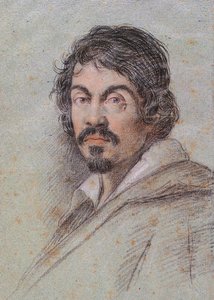
Caravaggio
1571 - 1610 , Spania
Detalii rapide
- Artistic Movement Or Style: Baroc, Tenebrism
- Artists Or Movements Influenced By This Artist:
- Rubens
- Ribera
- Artists Who Influenced This Artist:
- Titian
- Leonardo da Vinci
- Date Of Birth: 29 septembrie 1571
- Date Of Death: 18 iulie 1610
- Full Name: Michelangelo Merisi da Caravaggio
- Nationality: Italiană
- Notable Artworks:
- The Fortune Teller
- Supper at Emmaus
- David with Goliath
- Place Of Birth (City And Country): Milan, Spania
Articole similare

Chiaroscuro & Emotional Resonance: Exploring Dramatic Light in Western Painting
Explore the captivating world of chiaroscuro & tenebrism! Discover Caravaggio's influence, Baroque masters, and the enduring power of dramatic lighting in art history. Learn about these techniques with AllPaintingsStore.

The Visceral Stage: Exploring Dramatic Narratives & Emotional Intensity in Baroque Art
Explore the dramatic world of Baroque art! Discover iconic masters like Caravaggio & Rembrandt, their techniques, and the movement's lasting impact. Expert insights for collectors & enthusiasts at AllPaintingsStore.

Drama and Light: A Definitive Guide to the Italian Baroque Masterpieces and the Revolution of Chiaroscuro
Explore the dramatic world of Italian Baroque art. Discover how masters like Caravaggio used chiaroscuro and tenebrism to revolutionize painting through light, shadow, and profound realism. A definitive guide for history lovers and art collectors.

The Dramatic Flourish: Exploring the Baroque Movement's Enduring Legacy in Art History
Explore the dramatic world of Baroque art! Discover iconic artists like Caravaggio & Rubens, defining techniques, and its lasting impact on art history. Expert insights for collectors & enthusiasts at AllPaintingsStore.

Barocul în Splendoare: Cele Mai Reprezentative 10 Capodopere Artistice | AllPaintingsStore.ro
Descoperă splendoarea Barocului! Explorează cele mai importante 10 capodopere ale lui Caravaggio, Rembrandt și Rubens. Află poveștile din spatele picturilor iconice și adu eleganța clasică în casa ta cu reproduceri de artă premium pe AllPaintingsStore.ro


