

Ulei pe pânză.

§ 1Date catalog


§ 2Abstract
Descriere obiect de colecție
Claude Monet - „La Cină” (1869): O operă impresionistă emblematică despre lumină și emoție în interiorul unei case normande. Descoperă detalii fascinante despre acest pictor celebru!
 Vezi mai mult
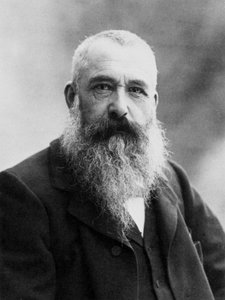
Biografie artist
Explorează lumea lui Claude Monet, maestru impresionist renumit pentru surprinderea luminii și culorii efemere prin peisaje iconice, precum Nufării și Stogurile de fân.
§ 3Comentariu
Claude Monet: A Life Immersed in Light
Oscar-Claude Monet, a name synonymous with Impressionism, wasn't merely a painter of landscapes; he was a chronicler of fleeting moments, a poet of light and color. Born in Paris on November 14, 1840, his early life took an unexpected turn when his family relocated to Le Havre, Normandy, at the age of five. While initially destined for a commercial career by his father, young Claude’s innate artistic talent quickly surfaced, manifesting first in charcoal caricatures sold locally – a testament to both his skill and entrepreneurial spirit. However, it was his encounter with Eugène Boudin that proved pivotal. Boudin didn't just teach Monet *how* to paint; he instilled within him the revolutionary idea of painting en plein air—directly from nature—a practice that would define his entire artistic journey.
Monet’s formal training began in Paris, briefly at the Académie Suisse, and under the academic history painter Charles Gleyre, where he was a classmate of Auguste Renoir. His early works include landscapes, seascapes, and portraits, but attracted little attention. A key early influence was Eugène Boudin, who introduced him to the concept of plein air painting. From 1883, Monet lived in Giverny, also in northern France, where he purchased a house and property and began a vast landscaping project, including a water-lily pond.
The Dinner: A Snapshot of Domestic Tranquility
“The Dinner,” painted in 1869–69, stands as a cornerstone of Impressionist art and embodies the movement’s fascination with capturing fleeting moments of everyday life bathed in natural light. More than just a depiction of a domestic scene, it’s an exploration of atmosphere and emotion—a testament to Monet’s groundbreaking approach to painting and his enduring influence on subsequent generations of artists. This masterpiece resides within the Stiftung Sammlung E. G. Bührle collection in Zurich, offering visitors a chance to experience firsthand the brilliance of Impressionism.
Monet meticulously rendered textures and tonal variations, utilizing loose brushstrokes that convey movement and immediacy—a hallmark of Impressionist technique. Notice how he captures the subtle reflections on surfaces like polished wood and glassware, demonstrating an acute awareness of optical phenomena. The figures themselves are presented in soft focus, contributing to the overall sense of serenity and conveying a feeling of contemplative repose.
Impressionism: Breaking Free From Tradition
Monet’s stylistic innovations were revolutionary for his time. He rejected the meticulous detail favored by academic painters, prioritizing instead the subjective perception of light and color—a core principle of Impressionism. The broken brushstrokes characteristic of “The Dinner” aren't merely decorative; they serve to fragment visual information, allowing Monet to convey not just what he sees but how it feels. This technique captures the ephemeral quality of light as it shifts throughout the evening, imbuing the painting with a palpable sense of atmosphere. Furthermore, Monet’s masterful use of color—particularly warm hues against cooler tones—creates a harmonious balance that enhances the emotional resonance of the scene.
He embraced the revolutionary idea of plein air painting—directly from nature—a practice championed by artists like Eugène Boudin who instilled in Monet the conviction that true beauty resided in observing nature directly. This bold departure from academic conventions established Impressionism as a dominant force within the art world and cemented Monet’s legacy as one of its most influential figures.
Symbolism: Reflections of Domestic Harmony
Beyond its formal qualities, “The Dinner” resonates with deeper symbolic meanings. It speaks to themes of domestic tranquility, familial connection, and the beauty found in simple moments—values that were central to Monet’s worldview. The fireplace symbolizes warmth, comfort, and companionship, reflecting the bonds between the figures depicted. The candlelight casts a gentle glow upon their faces, illuminating expressions of quiet contemplation and conveying an aura of peaceful contentment.
Monet’s meticulous layering of paint contributes to the depth and luminosity of the artwork, solidifying its place as an exemplar of Impressionist artistry. Consider how Monet captures not just what is visible but also what is felt—a profound understanding of human emotion expressed through masterful brushwork and luminous color.
A Legacy Enduring Through Time
“The Dinner” continues to captivate viewers with its understated elegance and evocative portrayal of everyday life. Its enduring appeal lies in Monet’s ability to transform ordinary subjects into extraordinary works of art—a testament to his genius and a celebration of the Impressionist spirit.
Întrebări și răspunsuri
În ce perioadă a carierei lui Claude Monet se încadrează "Claude Monet"?
"Claude Monet" reprezintă perioada Mature Period a lui Claude Monet.
Ce atmosferă transmite "Claude Monet"?
Ambianta generală a operei "Claude Monet" de Claude Monet este Elegant. Această stare descrie atmosfera generală a lucrării.
Unde ar trebui expusă o reproducere a "Claude Monet" de Claude Monet?
Formatul Format peisaj al operei "Claude Monet" de Claude Monet este recomandat pentru o Sala de dining. Formatul și spațiul împreună ghidează amplasarea unei reproduceri.


 Comută pe versiunea Print


 Pentru opere de artă sau reproduceri care depășesc 105 cm (aproximativ 41 de inch) pe oricare dintre laturi, cadrul va fi livrat demontat, sub formă de kit. Această metodă asigură o livrare sigură și previne deteriorarea în timpul transportului.


