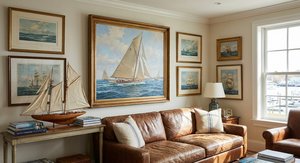
1880. Oil On Canvas. Muzeul d'Orsay.

§ 1Date catalog


§ 2Abstract
Descriere obiect de colecție
Experience the serene beauty of Claude Monet's 1880 Impressionist masterpiece Floating Ice, featuring a tranquil river scene with boats and birds that invites you to bring this symphony of light into your home.
 Vezi mai mult
Biografie artist
Explorează lumea lui Claude Monet, maestru impresionist renumit pentru surprinderea luminii și culorii efemere prin peisaje iconice, precum Nufării și Stogurile de fân.
§ 3Comentariu
A Symphony of Light and Water
In the delicate dance of Claude Monet’s 1880 masterpiece, “Floating Ice,” the viewer is invited into a world where the boundaries between reality and perception begin to dissolve. This evocative oil on canvas is far more than a mere depiction of a riverside landscape; it is a profound exploration of the Impressionist ethos—a fervent, breathless pursuit of capturing the fleeting essence of a single moment. As the eye wanders across the tranquil river, one encounters a serene arrangement of birch trees and small boats gliding softly through the water, all punctuated by the lively, rhythmic presence of scattered birds. Monet does not simply present a scene; he orchestrates a visual harmony that celebrates the profound beauty inherent in the natural world, making it an ideal centerpiece for any collection seeking to evoke peace and timelessness.
The true magic of this work lies in its revolutionary technique, where the artist’s brush becomes a tool for translating sensory experience rather than mere anatomical or botanical accuracy. Eschewing the rigid, polished conventions of academic tradition, Monet employed soft, loose strokes that prioritize the interplay of color and texture. His palette is a masterful arrangement of muted blues, verdant greens, and subtle yellows, meticulously blended to recreate the shimmering reflections dancing upon the water’s surface. Through these delicate gradations of light filtering through foliage, he achieves an ethereal effect that feels almost alive. For the discerning collector or interior designer, this technique offers a sense of movement and depth, allowing the painting to breathe within a room and interact dynamically with changing natural light.
Historical Resonance and Emotional Depth
To behold “Floating Ice” is to witness a pivotal moment in art history. Painted during Monet’s formative years as a leader of the Impressionist movement, the work reflects the era's fascination with scientific advancements in optics and color perception. It emerged from a period when artists were increasingly driven by the desire to accurately represent visual sensations—the way light hits an object, the way color shifts with the atmosphere. This historical weight adds a layer of intellectual richness to the piece, making it not just a beautiful decoration, but a conversation starter about the evolution of modern vision.
Beyond its technical brilliance, the painting carries a deep emotional resonance. There is a certain poetic melancholy found in the drifting ice and the quiet movement of the boats, yet this is balanced by the vibrant energy of the birds and the lushness of the riverbanks. It evokes a sense of nostalgia and tranquility, offering a sanctuary of calm in a fast-paced world. Whether displayed in a sunlit gallery or as a sophisticated focal point in a contemporary living space, a high-quality reproduction of this masterpiece brings with it an atmosphere of elegance and a profound connection to the enduring beauty of nature.
Întrebări și răspunsuri
Culorile din "Floating Ice" par intense sau delicate?
Intensitatea culorilor din "Floating Ice" este Balanced. Această intensitate descrie cât de puternice par a fi culorile.
Ce culori domină în "Floating Ice" de Claude Monet?
"Floating Ice" de Claude Monet utilizează o paletă de culori Neutrals, având culoarea Putty (#cebaa7) ca nuanță dominantă.
Ce emoție transmite "Floating Ice" de Claude Monet?
Tonul emoțional înregistrat pentru "Floating Ice" de Claude Monet este Calm. Acesta rezumă sentimentul exprimat de operă.


 Comută pe versiunea Print


 Pentru opere de artă sau reproduceri care depășesc 105 cm (aproximativ 41 de inch) pe oricare dintre laturi, cadrul va fi livrat demontat, sub formă de kit. Această metodă asigură o livrare sigură și previne deteriorarea în timpul transportului.