


 Trimite
 Distribuie
 Detalii
 Guide
Guide

 Descarcă
 Produse similare
 Diaporama
 Statistici
La chaine simpson


 Citește mai mult
Reproducere pictată manual în ulei
Pictură în ulei pe pânză, realizată manual de artiștii noștri la dimensiunea și ramele dorite de dumneavoastră, pe comandă. ( Comută pe versiunea Print Treci la imagine digitală)




































Alegeți dintre dimensiunile noastre prestabilite, care respectă proporțiile originale ale operei de artă.

Puteți introduce propriile dimensiuni pentru a se potrivi unui anumit cadru sau spațiu. Dacă dimensiunea selectată nu corespunde proporțiilor imaginii originale, vom decupa opera de artă sau vom extinde pictura cu elemente suplimentare pictate manual. O simulare digitală vă va fi trimisă pentru aprobare înainte de începerea producției.
Vă rugăm să rețineți că previzualizarea de pe ecran nu reflectă decuparea sau extinderea reală. Doar macheta va arăta cu exactitate compoziția finală.
Deși sunt disponibile dimensiuni personalizate, vă recomandăm să selectați o dimensiune din lista predefinită pentru a păstra proporțiile originale.
După plasarea comenzii, echipa AllPaintingsStore.com va contacta clientul prin e-mail pentru instrucțiuni și îi va furniza o previzualizare a machetei
Livrare în întreaga lume () în 3-4 săptămâni, în loc de cele 5 săptămâni standard. (21 Septembrie). Fără compromisuri în ceea ce privește calitatea.

Livrare expres gratuită la nivel mondial

Pânză de in premium

Asigurare completă pentru transport

Garanție de rambursare a taxelor vamale

Garanția fidelității culorilor

Politica de retur în 100 de zile (doar pentru defecte)

Garanție de rambursare 100%

Reducere pentru comenzi multiple
 Opțiunea cu sticlă este disponibilă doar pentru dimensiuni de sub 110 cm

La chaine simpson
Tip de reproducere
Dimensiune reproducere
-


Preț total
$ 258
La Chaine Simpson – A Parisian Nocturne by Toulouse-Lautrec
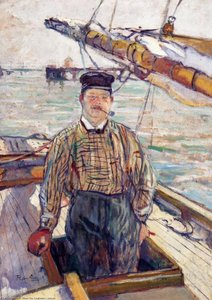
Henri de Toulouse-Lautrec’s “La Chaine Simpson” (1896) is far more than a simple depiction of a bicycle ride; it's a vibrant snapshot of late 19th-century Parisian life, meticulously rendered with the artist’s signature blend of observation and bohemian sensibility. This painting captures a fleeting moment in Montmartre, a district teeming with artists, performers, and the dispossessed – a world that profoundly shaped Toulouse-Lautrec’s artistic vision. The scene unfolds with an almost cinematic energy, showcasing a group of figures engaged in casual interaction around a central cyclist, his black suit a striking contrast against the bustling backdrop.
Toulouse-Lautrec's style is immediately recognizable – bold outlines defining forms, flattened perspectives that prioritize movement and atmosphere over strict realism, and a masterful use of color to evoke mood. Notice how he doesn’t attempt to portray individual faces with photographic detail; instead, he captures the *essence* of each person through gesture and expression. The figures are not merely participants in an event but embodiments of the spirit of Montmartre – a place where social boundaries blurred and artistic freedom reigned.
The Artist's Context: A Life Shaped by Difference
Born into French aristocracy, Toulouse-Lautrec’s physical difference – a consequence of a genetic condition that stunted his growth – profoundly influenced his perspective. Rather than succumbing to self-doubt, he embraced his unique vantage point, becoming an acute observer of the marginalized and unconventional figures who populated Parisian society. This empathy is palpable in “La Chaine Simpson,” where he doesn’t judge or moralize but simply presents a slice of everyday life with honesty and wit.
His aristocratic background afforded him access to artistic training – initially at the École des Beaux-Arts – yet it was his immersion in Montmartre's vibrant, often scandalous world that truly ignited his creative fire. He became a chronicler of this era, documenting its music halls, cafes, and the lives of its inhabitants with an unparalleled eye for detail and a remarkable ability to capture human emotion.
Symbolism and Movement
The bicycle itself is more than just a mode of transport; it’s a symbol of modernity and freedom. Its prominent position in the composition draws the viewer's eye, anchoring the scene while simultaneously suggesting movement and dynamism. The figures surrounding it are not static observers but active participants, engaged in conversation and shared experience. Toulouse-Lautrec expertly uses lines – the bicycle’s frame, the figures’ postures – to create a sense of flow and momentum, inviting the viewer to step into this lively Parisian tableau.
The painting's overall mood is one of relaxed conviviality, yet there’s an underlying current of urban energy. It’s a scene that speaks to the transient nature of life in Paris – a reminder that moments of connection and shared experience are fleeting but precious. “La Chaine Simpson” isn’t just a depiction of a bicycle ride; it's a meditation on human interaction, social observation, and the enduring allure of Montmartre.
Hand-Painted Reproduction: Bringing Toulouse-Lautrec to Your Space
AllPaintingsStore offers meticulously hand-painted reproductions of “La Chaine Simpson,” capturing the essence of Toulouse-Lautrec’s artistic genius. Each reproduction is created by skilled artisans who painstakingly recreate the original painting's details, color palette, and textural qualities. This ensures that your artwork will not only be a beautiful addition to your home or office but also a genuine piece of art history.
Opere similare



Biografie artist
A Life Etched in Parisian Nights: The World of Henri de Toulouse-Lautrec
Henri Marie Raymond de Toulouse-Lautrec-Monfa, universally known as Toulouse-Lautrec, remains a captivating figure of the late 19th century. Born into the waning days of French aristocracy in Albi on November 24, 1864, his life unfolded with a poignant blend of privilege and profound physical challenge. A rare genetic condition – suspected to be pycnodysostosis, though its exact nature remains debated even today – tragically halted the growth of his legs at a young age, resulting in a disproportionately small lower body and an adult torso. This unique physical characteristic profoundly shaped his perspective, steering him away from self-pity and towards an intensely observant and empathetic engagement with the marginalized figures inhabiting the vibrant, often scandalous world of Montmartre. His aristocratic background afforded him access to artistic training, yet it was precisely this bohemian district that ignited his creative spirit, becoming the very heart and soul of his art.From Academic Foundations to Bohemian Rebellion
Toulouse-Lautrec’s formal artistic education began in Paris under the tutelage of Léon Bonnat and later Fernand Cormon. While he diligently mastered the technical skills expected of a Salon painter – achieving proficiency in drawing, painting, and sculpture – it was his immersion within the pulsating heart of Montmartre that irrevocably altered his trajectory. Rejecting the prevailing academic focus on historical or mythological subjects, he instead turned his keen eye towards the everyday dramas unfolding around him: the dazzling dancers at the Moulin Rouge, the poignant figures of the prostitutes along the rue des Moulins, and the colorful cast of circus performers and café singers who populated the Parisian nightlife. This wasn’t merely detached observation; it was a deeply felt engagement with a world frequently ignored by polite society. He didn't simply *paint* these people; he inhabited their spaces, striving to understand their vulnerabilities and celebrating their resilience – often in the face of hardship. His early works demonstrate a clear foundation in academic technique, yet they rapidly evolve, embracing a more daring and unconventional style, profoundly influenced by the captivating Japanese woodblock prints that were then gaining popularity across Europe. The flattened perspectives, bold compositions, and vibrant colors of these prints served as a crucial catalyst for his artistic development.A Distinctive Style: Line, Color, and Movement
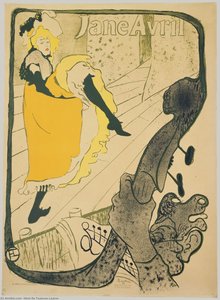
Toulouse-Lautrec’s artistic innovations are immediately apparent in his distinctive style. He was a master of line – utilizing it not just to define form but also to convey movement, emotion, and character with remarkable precision. His color palette, often imbued with a subtle yet powerful intensity, captured the artificial glow of gaslight illuminating Parisian cabarets and the smoky atmosphere of crowded dance halls. He possessed an extraordinary ability to render texture and detail, creating a sense of immediacy and realism that was both captivating and unsettling. Furthermore, Toulouse-Lautrec’s work is characterized by a dynamic energy – a feeling of movement captured through his masterful use of lines and brushstrokes. He wasn't interested in static representations; he sought to convey the fleeting moments of life, the rhythm of conversation, and the pulse of the city. His lithographs, in particular, exemplify this approach, allowing him to reproduce his images widely and disseminate them throughout Parisian society. His posters advertising performers like Jane Avril and Yvette Guilbert are not merely promotional materials; they are miniature masterpieces – instantly recognizable for their dynamic compositions and striking imagery, effectively capturing the spirit of the era.The Portrait of a Bohemian: Capturing Montmartre’s Soul
Toulouse-Lautrec's artistic focus centered almost exclusively on depicting the inhabitants of Montmartre. He didn’t shy away from portraying individuals often considered marginalized or scandalous – prostitutes, dancers, musicians, and gamblers – with an honesty and empathy that was remarkably rare for his time. His portraits weren’t idealized representations; they were intimate studies capturing the character, vulnerability, and spirit of his subjects. He meticulously observed their mannerisms, expressions, and clothing, translating these details onto canvas with remarkable accuracy. His depictions of the Moulin Rouge, a legendary cabaret known for its extravagant performances and bohemian clientele, are particularly iconic – offering a glimpse into a world of dazzling spectacle and fleeting pleasure. Through his art, Toulouse-Lautrec created a vibrant and enduring portrait of Montmartre, capturing not just its physical appearance but also its unique atmosphere and social dynamics.Legacy and Enduring Influence
Toulouse-Lautrec’s life was tragically cut short on September 9, 1901, at the age of 36, a consequence of years battling alcoholism and syphilis. Despite his relatively brief career, his impact on the art world is immeasurable. He stands as a pivotal figure in the transition from Impressionism to modern art, paving the way for artists who would further explore subjective experience and psychological depth. He is considered one of the key Post-Impressionist painters alongside Cézanne, Van Gogh, Gauguin, and Seurat. His influence can be seen not only in his own works but also in the art of subsequent generations – from early 20th-century illustration to contemporary graphic design. Toulouse-Lautrec’s legacy extends beyond mere aesthetic beauty; he challenged conventional notions of beauty and morality, offering a brutally honest portrayal of Parisian life and its inhabitants. His work continues to resonate today, reminding us of the power of art to illuminate the human condition in all its complexity and contradiction.Exploring Toulouse-Lautrec's World Further
- Discover a comprehensive collection of his artwork at /en/artists/comte-henri-marie-raymond-de-toulouse-lautrec-monfa.
- Delve into the world of Post-Impressionism and its key artists at /en/art-movements/post-impressionism.
- Learn more about his life and artistic journey through resources like Wikipedia: https://en.wikipedia.org/wiki/Henri_de_Toulouse-Lautrec

comte henri marie raymond de toulouse-lautrec-monfa
1864 - 1901 , Franța
Informații rapide
- Artistic Movement Or Style: Postimpresionism
- Artists Or Movements Influenced By This Artist: ['Impressionism']
- Artists Who Influenced This Artist: ['Léon Bonnat']
- Date Of Birth: 24 noiembrie 1864
- Date Of Death: 9 septembrie 1901
- Full Name: Henri Marie Raymond de Toulouse-Lautrec-Monfa
- Nationality: Francez
- Notable Artworks:
- La Blanchisseuse
- In the Wings at the Circus
- Woman in Bed — Waking
- Place Of Birth: Albi, Franța
Articole conexe

Theatrical Elegance: The Art Deco Genius of Erté and the Era of Fashion Illustration
Explore the theatrical elegance of Erté and the Art Deco era. Discover how his mastery of geometric line and fashion illustration can elevate luxury hospitality design through premium, hand-painted reproductions and bespoke architectural art solutions.


