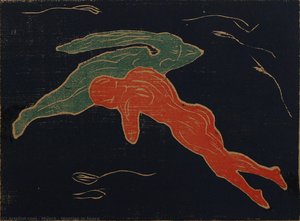
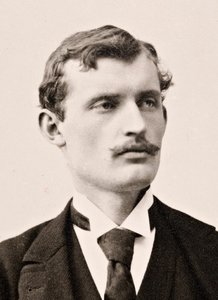
Viața și Identitatea lui Edvard Munch
Edvard Munch a fost un pictor norvegian a cărui existență a fost profund legată de peisajele aspre și de atmosfera încărcată a patriei sale. Născut pe 12 decembrie 1863, acesta și-a petrecut cea mai mare parte a vieții explorând complexitățile psihicului uman prin intermediul pensulei și al instrumentelor de grafică. Opera sa a părut adesea a fi o extensie directă a propriilor sale lupte interioare, transformând emoțiile private în ceva vizibil și universal împărtășit. El a rămas o prezență activă în lumea artei până la moartea sa, survenită pe 23 ianuarie 1944.
Capacitatea sa de a surprinde tremurul existenței umane a atins apogeu în anul 1893, odată cu crearea operei Țipătul. Această lucrare specifică a devenit una dintre cele mai admirați imagini din artă occidentală, fiind recunoscută la nivel mondial pentru reprezentarea groazei existențiale. În timp ce mulți artiști căutau să replice lumea fizică, lui Munch îi interesau lucrurile care nu pot fi văzute, precum anxietatea și greutatea singurătății. El a utilizat culoarea și forma pentru a oferi cont forțelor invizibile care tulbură spiritul uman.
Pe parcursul unei cariere lungi și prolifice, el a produs un volum vast de lucrări care au acoperit numeroase medii artistice. Printre cele mai importante opere se numără:
Tinerețea, Familia și Formarea Artistică
Edvard Munch s-a născut în 1863, în mijlocul peisajelor aspre ale Norvegiei. Copilăria sa a fost modelată de un cămin în care prezența bolii era un companion constant. În 1868, mama sa a murit din tuberculoză, o pierdere care a lăsat o marcă profundă asupra tânărului băiat. Această senzație de fragilitate s-a accentuat în 1877, când sora sa, Johanne Sophie, a succombat, de asemenea, la tuberculoză, la vârsta de 15 ani. Aceste primele pierderi au însemnat ca umbrele mortalității să fie împletite în însăși țesătura vieții sale de zi cu zi.
Tatăl său, Christian Munch, lucra ca medic și ofițer medical. Christian era un om de o devotare religioasă intensă, dar se confrunta, de asemenea, cu un temperament nervos și obsedat de religie. Atmosfera de acasă era adesea încărcată de acest sentiment de groază. Crescând într-un astfel de mediu, Edvard se retrăgea adesea în desen pentru a-și ocupa timpul în timpul iernilor lungi, când boala îl ținea departe de școală. Aceste experiențe timpurii de durere și frică vor găsi, în cele din urmă, drumul spre pânzele sale de pictură.
Pentru educația sa formală, acesta a frecventat Școala Regală de Artă și Design din Kristiania. Aici a început să își dezvolte abilitățile tehnice care vor susține explorările sale ulterioare ale psihicului uman. Formarea sa a pus fundamentul unei cariere dedicate traducerii suferinței interioare în formă vizuală.
Cerculs Boeme din Kristiania
Pe străzile din Kristiania, fostul nume al orașului Oslo, Munch a descoperit o comunitate care sfida tot ceea ce îi fusese predat. El a trăit în mijlocul cercurilor boeme ale orașului, un grup de oameni care refuzau să se supună regulile stricte ale epocii. Printre aceștia se număra pictorul naturalist Christian Krohg, o figură centrală a acestui cerc progresist. Aceste întâlniri nu erau simple evenimente sociale; ele reprezentau spații vitale în care noi moduri de a percepe lumea erau dezbătute și experimentate prin viață.
Prin influența nihilistului Hans Jæger, propriul drum al lui Munch a început să se transforme radical. Jæger l-a îndrumat să se îndepărteze de tradițiile academice și politicate ale timpului său, încurajându-l pe artist să privească în interior și să își picteze propria stare emoțională și psihologică. Aceasta era o idee revoluționară. În loc să încerce să surprindă lumea așa cum îi apărea celorlalți, Munch a început să folosească pânza pentru a exprima furtunile interne ale propriei sale minți.
Călătorii și influențe în Paris și Berlin
Traversarea centrelor europene de artă i-a permis lui Edvard Munch să își vadă propriile impulsuri reflectate în opera altora. În Paris, el a întâlnit tehnicile unor artiști precum Paul Gauguin și Vincent van Gogh. A învățat mult de la ei, absorbind modul în care aceștia foloseau culoarea și forma pentru a transcende simpla reprezentare. Perioada petrecută în oraș l-a pus în contact și cu Henri de Toulouse-Lautrec. Aceste întâlniri l-au ajutat să își rafineze un mod de a vedea care prioritiza interiorul în detrimentul exteriorului.
Timpul petrecut la Berlin i-a mutat focalizarea către straturile mai profunde și mai tulburătoare ale minții umane. Aceasta a fost perioada în care l-a întâlnit pe dramaturgul suedez August Strindberg. Aceste conexiuni cu figuri precum Strindberg i-au împins cercetările către teme psihologice. El a început să își folosească arta pentru a explora tremurul existenței umane, îndepărtându-se de depinderile naturaliste către un stil capabil să comunice greutatea sufocantă a fricii și a anxietății.
Tehnica și stilul „picturii sufletești”
Edvard Munch nu a urmărit replicarea lumii fizice așa cum se prezenta aceasta privinței. În schimb, el a căutat să externalizeze starea sa internă, o metodă pe care a numit-o pictură sufletească. A utilizat forme distorsionate și linii ritmatice pentru a comunica tremurul existenței umane, transformând suferința psihologică într-o formă vizibilă și tangibilă. Păturile sale de vopsea reflectau adesea turbulența propriei sale minți, folosind culoarea și forma pentru a traduce ceea ce simțea, mai degrabă decât ceea ce vedea.
Această concentrare pe interior l-a condus la o experimentare vastă cu diverse mediuri de expresie. A fost un graficist extrem de activ, lucrând prin litografie, xilografie și acuitură pentru a-și extinde impactul artistic. Gama sa tehnică era extrem de diversă, incluzând procese de gravură precum acuitura la acid, punctează și gravura pe cupru. Aceste metode i-au permis să suprapună texturi și linii care oglindeau complexitatea emoției umane.
- The Scream (1893)
- Madonna (1894)
- The Sick Child (aprox. 1926)
Frizul Vieții și Operele Cheie
Edvard Munch a căutat să surprindă ciclurile recurente ale existenței umane printr-o serie de lucrări pe care le-a numit Frizul Vieții. Această colecție s-a concentrat pe temele grele și inevitabile ale iubirii, fricii, morții și anxietății. El nu a urmărit o simplă reprezentare a vieții, ci mai degrabă o explorare a furtunilor interioare care o definesc. Picturile sale au funcționat adesea ca o metodă de a procesa durerea și tremurul psihologic care l-au însoțit încă din tinerețe.
Multe dintre cele mai recunoscute imagini ale sale au apărut din aceste lupte personale. El a conceput Țipătul în timp ce se afla în Kristiania, utilizând peisaje vârtejuit și aprinse pentru a reprezenta un sentiment de groază existențială. În alte lucrări, și-a îndreptat privirea spre complexitățile conexiunii umane și fragilitatea vieții. Madonna explorează intersecția dintre sexualitate și mortalitate, în timp ce Copilul Bolnav rămâne un memento poignant al pierderii surorii sale, Sophie. Aceste piese reflectă un om care încearcă să dea sens umbrelor care îl urmăreau.
- Țipătul (1893)
- Madonna (1894)
- Copilul Bolnav (aprox. 1926)
- Pubertatea (1894–95)
Anii de la sfârșit și moartea
Anii de la sfârșit ai vieții lui Edvard Munch au fost marcați de o schimbare semnificativă în obiceiurile sale personale și în mediul său creativ. În urma unei prăbușiri psihice suferite în 1908, artistul a luat decizia de a renunța la consumul excesiv de alcool. Această perioadă de transformare l-a îndepărtat de scenele sociale turbulente din tinereț, oferindu-i, în schimb, posibilitatea de a-și petrece ultimii ani lucrând în liniște și intimitate, găsind un spațiu de pace pentru a-și continua creația.
Productivitatea sa a rămas constantă până la ultimele momente ale existenței sale. La momentul în care a decedat, în 1944, acesta adunase o colecție impresionantă de 1006 picturi. În timp ce lumea din jurul său era sfâșiată de uraganul devastator al celui de-al Doilea Război Mondial, majoritatea operelor sale au supraviețuit conflictului, asigurându-se astfel că limbajul său vizual va rămâne disponibil pentru generațiile viitoare, care îl vor putea studia și experimenta cu aceeași intensitate.
Moștenirea Durabilă și Influența Sa
Capacitatea lui Edvard Munch de a înfrunta cele mai întunecate aspecte ale condiției umane a ajutat la deschiderea drumului către Expresionismul German. În calitate de pionier al Expresionismului, acesta a depășit regulile politețe a artei academice pentru a găsi o cale de a exprima furtunile interioare ale minții. Prin transpunerea suferinței psihologice într-o formă vizuală, el a schimbat modul în care artiștii abordau pânza pictată. Opera sa a devenit un pilon fundamental al mișcării modernismului, mutând accentul de la ceea ce vede ochiul către ceea ce îndure sufletul.
Prezența sa este simțită profund în istoria artei norvegiene. El a contribuit la definirea unei identități naționale prin explorarea experiențelor umane universale. Modul în care a utilizat culoarea și liniile distorsionate pentru a comunica tremurul existenței a lăsat o amprentă pe care mulți alți artiști au urmat-o. Influența sa a depășit cu mult granițele Norvegiei, afectând modul în care lumea modernă percepe anxietatea și izolarea.
- The Scream (1893)
- Madonna (1894)
- The Sick Child (aprox. 1926)
Unde poți vedea astăzi aceste capodopere
Pentru a experimenta amploarea întregii sale creații, este necesară o călătorie spre Oslo, Norvegia. Muzeul Munch este principalul păstrător al moștenirii sale, găzduind o colecție vastă care acoperă întreaga gamă a producției sale artistice. Este un loc în care măreția creației sale devine evidentă, oferind o privire profundă asupra temelor pe care le-a explorat de-a lungul anilor de pictură și grafică.
Alte piese semnificative sunt păstrate în cadrul celorlalte instituții majore ale orașului. Galeria Națională din Oslo deține versiunea din 1893, realizată cu tempera și creion pe carton, a operei Țipătul. Această piesă specifică oferă o textură și o senzație diferită față de celelalte versiuni. În plus, Muzeul Național al Norvegiei găzduiește o versiune a picturii Madonna, permițând vizitatorilor să observe modul în care artistul a abordat același subiect prin perspective diferite.
- Țipătul (1893) - Galeria Națională, Oslo
- Madonna - Muzeul Național al Norvegiei


 Vezi mai mult


 Comută pe versiunea Print


 Pentru opere de artă sau reproduceri care depășesc 105 cm (aproximativ 41 de inch) pe oricare dintre laturi, cadrul va fi livrat demontat, sub formă de kit. Această metodă asigură o livrare sigură și previne deteriorarea în timpul transportului.