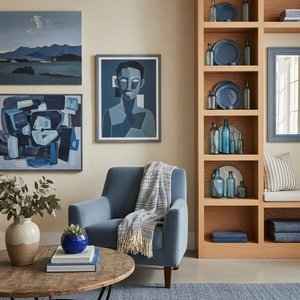
Oil On Canvas.

§ 1Catalogue data

Această lucrare este protejată de drepturile de autor
Lucrarea de artă afișată pe această pagină este protejată de legile privind drepturile de autor, ceea ce înseamnă că nu putem crea sau vinde în mod legal o reproducere identică. Această protecție este garantată prin acorduri internaționale, precum Convenția de la Berna și de legile naționale, inclusiv cele prevăzute de Legea dreptului de autor din S.U.A. – Titlul 17. Toate drepturile rezervate. Orice reproducere neautorizată este interzisă.
Ca alternativă respectuoasă și legală, oferim tablouri pictate manual, personalizate, inspirate de original. Artistii noștri experimentați și profesioniști studiază cu atenție stilul, starea de spirit și esența artistică a originalului pentru a crea o piesă nouă și unică, care evocă aceeași emoție – rămânând, în același timp, o creație originală în sine.
Această metodă respectă pe deplin reglementările privind drepturile de autor, deoarece nu implică copierea sau duplicarea operei protejate. În schimb, este o reinterpretare creativă – o pictură nouă, influențată de original, dar care nu este identică cu acesta.
 Citește mai mult
§ 2Abstract
Descriere obiect de colecție
Explore Edward Hopper’s ‘untitled (8756)’ – a haunting oil painting of alienation & impending doom. Symbolism, Expressionist style, visible brushwork evoke anxiety & isolation.
Biografie artist
Edward Hopper: Un maestru al realismului american, surprinde singurătatea și viața urbană cu lumină și umbre evocatoare. Descoperiți picturi iconice precum Nighthawks și Monhegan Houses.
§ 3Commentary
A Portrait of Urban Isolation: Exploring Edward Hopper’s ‘untitled (8756)’
Edward Hopper's 'untitled (8756)' isn’t merely a depiction of a diner at night; it’s a masterful distillation of the anxieties and quiet desperation that characterized American modernism. Completed in 1942, amidst the backdrop of wartime uncertainty, this oil on canvas transcends its simple subject matter to become an enduring emblem of solitude—a feeling Hopper himself famously resisted acknowledging as central to his artistic vision. The painting’s power resides not just in its visual precision but also in its ability to conjure a palpable atmosphere of unease and unspoken longing.- Composition & Style: Hopper employs a flattened perspective, characteristic of Expressionism, prioritizing emotional resonance over photographic realism. Geometric shapes—rectangles for the figures and table—are strategically utilized to emphasize spatial limitations and contribute to the overall sense of confinement. The muted palette dominated by cool blues and greens reinforces the melancholic mood, mirroring the pervasive feeling of disillusionment prevalent during the period.
- Technique & Texture: Visible brushstrokes—a deliberate impasto technique—lend texture to surfaces like the clown’s costume and the woman's face, conveying a physicality that contrasts with the stillness of the scene. This textural richness isn’t merely decorative; it serves to heighten emotional impact and invites contemplation about the materiality of experience.
- Symbolism & Narrative: The figures themselves embody complex symbolic representations. The woman, seated rigidly, embodies composure yet hints at hidden vulnerability. The man stares blankly ahead, accepting his fate with passive resignation. Crucially, the clown—a jarring presence amidst the subdued tones—represents chaos and disruption, juxtaposed against the prevailing stillness. Hopper’s inspiration reportedly stemmed from Hemingway's stories, specifically “The Killers” and “A Clean, Well-Lighted Place,” reflecting a fascination with themes of alienation and psychological introspection.
- Historical Context: Painted during World War II, ‘untitled (8756)’ speaks to the anxieties of a nation grappling with uncertainty and confronting profound social shifts. Hopper’s depiction of urban life—a world increasingly disconnected from traditional values—captures the spirit of an era marked by disillusionment and introspection.
- Emotional Impact: Ultimately, ‘untitled (8756)’ evokes feelings of anxiety, isolation, and a pervasive sense that something fundamental is amiss. It’s a painting that lingers in the viewer's mind long after viewing, prompting reflection on themes of human connection and the unspoken burdens we carry within ourselves—a testament to Hopper’s unparalleled ability to convey profound emotion through subtle visual cues.
Întrebări și răspunsuri
Ce culoare domină compoziția lucrării "untitled (8756)" de Edward Hopper?
Culoarea care iese cel mai mult în evidență în "untitled (8756)" este Espresso (#5c4f4c). Culoarea dominantă este utilă atunci când asortați o operă de artă cu un interior.
Din ce materiale este realizată "untitled (8756)" și în ce stil?
"untitled (8756)" de Edward Hopper îmbină tehnica Oil On Canvas cu stilul Expressionism. Tehnica și mișcarea definesc modul de execuție și estetica operei.
Ce emoție transmite "untitled (8756)" de Edward Hopper?
Starea de spirit surprinsă în "untitled (8756)" de Edward Hopper este Dramatic, iar tonul său emoțional este Melancholic.


 Comută pe versiunea Print


 Pentru opere de artă sau reproduceri care depășesc 105 cm (aproximativ 41 de inch) pe oricare dintre laturi, cadrul va fi livrat demontat, sub formă de kit. Această metodă asigură o livrare sigură și previne deteriorarea în timpul transportului.