


 Previzualizare
 Trimite prin felicitare
 Distribuie
 Detalii despre lucrare
 Ghid
Ghid

 Descarcă imaginea
 Produse similare
 Radiografie
 Galerie foto
 Statistici
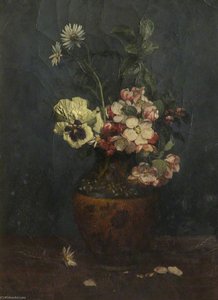
Flowers
 37.0 x 27.0 cm
 Wigan Arts And Heritage Service
 Vezi mai mult
Giclée / Imprimare artistică
Printuri giclée sau pe canvas de calitate muzeală, cu proces de producție rapid și opțiuni flexibile de finisare. ( Comandă pictură realizată manual Comută pe Imagine Digitală)




































Alegeți dintre dimensiunile noastre prestabilite, care respectă proporțiile originale ale operei de artă.

Introduceți lățimea și înălțimea necesare pentru a se potrivi ramei sau peretelui dumneavoastră. O printare poate fi doar tăiată, niciodată extinsă dincolo de dimensiunea imaginii originale, astfel încât o dimensiune cu o formă diferită va pierde o parte din imagine. Vă trimitem o simulare digitală pentru aprobare înainte de a imprima orice. Imaginea afișată pe această pagină nu prezintă tăierea reală — doar simularea arată acest lucru.
Livrare în întreaga lume () în 2 săptămâni, în loc de cele 4/5 săptămâni standard. (27 Octombrie)

Livrare expres gratuită la nivel mondial

Pânză de in de înaltă calitate

Asigurare completă pentru transport

Garanție de rambursare a taxelor vamale

Garanția fidelității culorilor

Politica de retur în 100 de zile (doar pentru defecte de fabricație)

Garanție de rambursare 100%

Ofertă pentru comenzi multiple
 Opțiunea cu sticlă este disponibilă doar pentru dimensiuni de sub 110 cm

Flowers
Giclée / Imprimare artistică
Dimensiune reproducere
-


Preț total calculat
lei 296
Opere similare


Biografie artist
Elias Bancroft: A Cheshire Painter of Quiet Moments
Elias Mollineaux Bancroft (1846-1924) remains a quietly significant figure in late 19th and early 20th century British art, particularly within the landscape tradition. Born in Northwich, Cheshire, his artistic journey began with formal training at the Royal College of Art before he transitioned to teaching at the Manchester School of Art, establishing himself as an educator alongside his prolific painting career. Bancroft’s work isn't characterized by grand vistas or dramatic scenes; instead, he meticulously captured intimate glimpses of rural life and architectural details, imbuing these seemingly simple subjects with a profound sense of atmosphere and observation.
Bancroft’s early influences are often traced back to the Realist movement, but his style quickly developed its own distinct character. He was particularly drawn to the work of Gainsborough, not in direct imitation, but rather as a model for capturing nuanced detail and portraying the lives of ordinary people within their surroundings. This admiration is evident in many of his works, notably his numerous copies of Gainsborough’s portraits and landscapes – studies that reveal a deep appreciation for the master's ability to convey character and emotion through subtle gestures and expressions. However, Bancroft moved beyond mere replication, imbuing his own subjects with a unique sensitivity and an almost melancholic beauty.
A defining feature of Bancroft’s oeuvre is his preference for enclosed spaces – courtyards, alleyways, and doorways – offering viewers framed views into the wider world. These compositions create a sense of immediacy and intimacy, drawing us into the scene as if we are peering through an open gate or a windowpane. His use of light and shadow is masterful, often employing muted tones to evoke a feeling of stillness and contemplation. Works like “Chetham’s Hospital” (1884) exemplify this approach, presenting a hauntingly beautiful depiction of an old archway and a solitary figure against a backdrop of weathered stone – a scene that speaks volumes about the passage of time and the quiet dignity of human existence. Similarly, "Midday Cheshire" showcases his ability to capture the subtle shifts in light and color as they play across a rural cottage setting, creating a serene and evocative atmosphere.
Beyond his meticulous observation of detail, Bancroft’s paintings possess a remarkable emotional resonance. He wasn't simply recording scenes; he was conveying a sense of longing, nostalgia, and perhaps even a touch of melancholy. This is particularly evident in his depictions of Cheshire landscapes – rolling hills, winding lanes, and quaint villages that seem to exist outside of time. His work reflects the changing social landscape of Britain during this period, capturing both the beauty and the quiet sadness of a rural world undergoing transformation. His subjects are not idealized; they are presented with an honest and unvarnished perspective, reflecting a deep understanding of human nature and the rhythms of daily life.
Bancroft’s legacy extends beyond his individual works. He played a significant role in the development of art education in Manchester, shaping the careers of numerous aspiring artists. His influence can also be seen in the work of later landscape painters who followed in his footsteps, demonstrating the enduring appeal of his quiet and contemplative style. While he may not be as widely celebrated as some of his contemporaries, Elias Bancroft’s paintings offer a valuable glimpse into a bygone era – a time when art was valued for its ability to capture the beauty and complexity of everyday life.
Key Works & Notable Achievements
- Chetham's Hospital (1884): A quintessential example of Bancroft’s style, showcasing his mastery of detail, light, and atmosphere. The painting’s somber tones and intimate composition evoke a sense of quiet contemplation.
- Midday Cheshire (1884): Demonstrates his ability to capture the subtle nuances of rural life, with its depiction of a peaceful cottage scene bathed in soft light.
- Various Gainsborough Copies: These studies reveal Bancroft’s deep admiration for the master and provide valuable insights into his artistic development.
- Numerous Landscapes of Wales & Whitby: Reflecting a fascination with coastal scenery and the rugged beauty of the Welsh landscape.
Bancroft's Artistic Context
Elias Bancroft’s artistic career unfolded during a period of significant social and cultural change in Britain. The late 19th century witnessed rapid industrialization, urbanization, and the decline of traditional rural life. Artists like Bancroft responded to these changes by seeking to preserve the beauty of the countryside and capture the essence of everyday life before it disappeared forever. His work can be seen as a counterpoint to the increasingly dominant trends of Impressionism and Modernism, offering a more grounded and contemplative approach to landscape painting.
Legacy & Recognition
Despite not achieving widespread fame during his lifetime, Elias Bancroft’s work has been steadily gaining recognition in recent years. His paintings are now housed in several public collections, including the Whitby Museum and Art Gallery, and are increasingly valued for their quiet beauty and historical significance. His contributions to art education in Manchester also deserve acknowledgement, as he played a vital role in nurturing the talents of future generations of artists. Bancroft’s legacy serves as a reminder that true artistic value often lies not in grand gestures or sensational displays, but in the subtle details and profound observations that capture the essence of human experience.
Elias Bancroft
1846 - 1924
Detalii rapide
- Artistic Movement Or Style: Realist Landscape
- Artists Or Movements Influenced By This Artist: ['Romanticism']
- Artists Who Influenced This Artist: ['Gainsborough']
- Date Of Birth: 1846
- Date Of Death: 1924
- Full Name: Elias Mollineaux Bancroft
- Nationality: British
- Notable Artworks:
- Chetham's Hospital
- Midday Cheshire
- Place Of Birth: Northwich, Cheshire

