


 Previzualizare
 Trimite prin felicitare
 Distribuie
 Detalii despre lucrare
 Ghid
Ghid

 Descarcă imaginea
 Produse similare
 Radiografie
 Galerie foto
 Statistici
Pontul Remorqueurului

 Vezi mai mult
Giclée / Imprimare artistică
Printuri giclée sau pe canvas de calitate muzeală, cu proces de producție rapid și opțiuni flexibile de finisare. ( Comandă pictură realizată manual Comută pe Imagine Digitală)




P118B lei10

P118H lei10

P118W lei10

P438Z lei10

P508JH lei12

P508YH lei12

P805H lei10

P805Z lei10

P919BZ lei10

P919G lei10

P919XJ lei10

P959ZH lei10

P968JZ lei12

W106C lei8

W218G lei10

W218JH lei8

W218Y lei10

W307PJ lei10

W316G lei10

W316PJ lei8

W316Y lei10

W398PJ lei8

W4111J lei10

W500HY lei15

W500JH lei15

W692G lei12

W849H lei8

W940BG lei15

W953PJ lei8




Alegeți dintre dimensiunile noastre prestabilite, care respectă proporțiile originale ale operei de artă.

Introduceți lățimea și înălțimea necesare pentru a se potrivi ramei sau peretelui dumneavoastră. O printare poate fi doar tăiată, niciodată extinsă dincolo de dimensiunea imaginii originale, astfel încât o dimensiune cu o formă diferită va pierde o parte din imagine. Vă trimitem o simulare digitală pentru aprobare înainte de a imprima orice. Imaginea afișată pe această pagină nu prezintă tăierea reală — doar simularea arată acest lucru.
Livrare în întreaga lume () în 2 săptămâni, în loc de cele 4/5 săptămâni standard. (27 Octombrie)

Livrare expres gratuită la nivel mondial

Pânză de in de înaltă calitate

Asigurare completă pentru transport

Garanție de rambursare a taxelor vamale

Garanția fidelității culorilor

Politica de retur în 100 de zile (doar pentru defecte de fabricație)

Garanție de rambursare 100%

Ofertă pentru comenzi multiple
 Opțiunea cu sticlă este disponibilă doar pentru dimensiuni de sub 110 cm

Pontul Remorqueurului
Giclée / Imprimare artistică
Dimensiune reproducere
-


Preț total calculat
lei 296
Fernand Léger și „Pod Remorqueur”: O Explorare Cubistă a Modernității
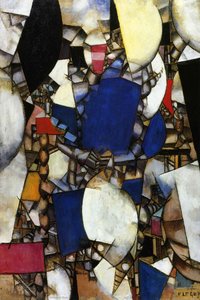
„Pod Remorqueur” este o operă impresionantă realizată în anul 1920 de Fernand Léger, un artist emblematic al cubismului și pionier în exprimarea esteticii mecanizate. Acest tablou nu este doar o reprezentare vizuală frumoasă; el este o fereastră către gândirea artistică și filozofică a unei epoci marcate de schimbări radicale, oferind o perspectivă fascinantă asupra obsesiei artistului pentru lumea tehnologiei și influenței acesteia asupra percepției estetice. În acest articol vom analiza în detaliu semnificațiile simbolice ale picturii, tehnicile utilizate de Léger și locul său în istoria artei moderne.- Tema și Contextul Istoric: După Primul Război Mondial, Léger a fost profund afectat de schimbările sociale și industriale din perioada sa, fiind fascinat de puterea mecanicii și de potențialul său pentru transformarea vieții urbane. „Pod Remorqueur” reflectă această obsesie prin reprezentarea unei scene urbane simplificate, dominată de forme geometrice puternice și culori vibrante – elemente caracteristice stilului cubist și ale preocupării artistului pentru exprimarea unei lumi în schimbare.
- Stilul Cubist și Tehnicile Utilizate: Léger a îmbrățișat cubismul nu doar ca pe o simplă tendință estetică, ci și ca pe un instrument filosofic pentru analiza obiectelor și spațiului. În „Pod Remorqueur”, artistul aplică tehnici inovatoare precum fragmentarea perspectivelor tradiționale și utilizarea unei reprezentări multiple a unui obiect sau unei scene într-una singură. Acest lucru creează iluzia unei percepții complexe și dinamice, în care diferite puncte de vedere sunt prezentate simultan pentru a surprinde adevărata natură a realității.
- Simbolismul Culorilor și Formelor: Léger nu folosește culori aleatorii; el le utilizează cu intenție simbolică pentru a transmite emoții și idei specifice. În „Pod Remorqueur”, predomină paleta de culori primare – albastru, roșu și galben – care sunt asociate cu energie și dinamism. Formele geometrice puternice, precum cuburile și cilindrii, reprezintă puterea mecanicii și influența acesteia asupra societății și asupra percepției estetice.
- Impactul Emotiv: În ciuda simplificării formelor și a absenței unei narative evidente, „Pod Remorqueur” evocă sentimente puternice de nostalgie pentru trecut și anticipare pentru viitor. Pictura transmite impresia unei lumi în schimbare, dar și puterea rezistenței umanității în fața acestor schimbări. Léger reușește să surprindă esența modernității prin intermediul unei estetici inovatoare și provocatoare.
Detalii despre Pictură și Reproducții Disponibile
„Pod Remorqueur” este o lucrare impresionantă realizată în ulei pe lemn, dimensiunile exacte fiind necunoscute. Acest tablou este prezent în colecția Museo Nacional Thyssen-Bornemisza din Madrid și este considerat unul dintre cele mai importante opere ale lui Fernand Léger. Pentru cei interesați să admira această capodopera artistică într-o manieră accesibilă și confortabilă, AllPaintingsStore oferă reproducerii autentice de înaltă calitate ale acestui tablou, disponibile în diferite dimensiuni și formate pentru a se adapta perfect nevoilor fiecărui iubitor de artă. Vizitați pagina noastră dedicată pentru a afla mai multe despre această ofertă exclusivă: https://www.AllPaintingsStore.com/en/art/fernand-leger-the-bridge-of-the-tug-7Z9RSV-en/Înspiră-te în Stilul Cubist și Explorează Alte Opere ale lui Léger
Fernand Léger este unul dintre cei mai influenți artiști ai secolului XX, fiind considerat un precursor al Pop Art și unul dintre cei mai mari reprezentanți ai cubismului. Pentru a înțelege mai bine semnificațiile estetice și filozofice ale acestui stil artistic inovator, puteți consulta alte opere ale lui Léger disponibile pe AllPaintingsStore: https://www.AllPaintingsStore.com/en/artists/fernand-leger-en/. Descoperă puterea expresivă a formelor geometrice și culoarea vibrantă pentru a crea opere de artă impresionante și memorabile.Întrebări și răspunsuri
Ce emoție transmite "Pontul Remorqueurului" de Fernand Léger?
"Pontul Remorqueurului" este asociată cu un sentiment Energic. Tonul emoțional descrie impresia pe care o transmite lucrarea.
Câți oameni vizualizează "Pontul Remorqueurului"?
Pagina Statistici pentru "Pontul Remorqueurului" de Fernand Léger prezintă statistici privind vizitele publice: numărul de vizite lunare ale acestei opere, o comparație cu cele mai vizionate lucrări ale artistului și proveniența vizitatorilor.
"Pontul Remorqueurului" de Fernand Léger este o operă de artă luminoasă sau întunecată?
Luminozitatea percepută a operei "Pontul Remorqueurului" de Fernand Léger este echilibrat. Aceasta poate fi adaptată la lumina spațiului în care va fi expusă.
Opere similare




Biografie artist
A Life Forged in Form: The World of Fernand Léger
Fernand Léger, born Joseph Fernand Henri Léger in 1881 amidst the rural landscapes of Argentan, Normandy, stands as a pivotal figure in the evolution of modern art. His journey from the farmlands of his youth to the forefront of Parisian avant-garde circles is a testament to an unwavering artistic vision and a relentless pursuit of capturing the spirit of the machine age. Unlike many of his contemporaries who embraced abstraction as a retreat from representation, Léger sought to *integrate* modernity – its dynamism, its mechanical forms, its very essence – into a new visual language that was both powerfully abstract and deeply rooted in the observable world. His early life, steeped in the physicality of agricultural labor, provided a grounding contrast to the industrialized future he would so passionately depict. Initially destined for architecture, Léger’s path shifted towards painting after arriving in Paris around 1900, supporting himself through drafting work while honing his artistic skills. This period was marked by traditional academic training, but it wasn't until encountering the groundbreaking work of Paul Cézanne that a true transformation began to unfold.The Birth of ‘Tubism’ and the Section d’Or
Cézanne’s retrospective in 1907 acted as a catalyst, liberating Léger from conventional representation and propelling him towards a more geometric and structural approach. He began dismantling forms, analyzing their underlying structures, and rebuilding them on canvas with a newfound emphasis on solidity and volume. This exploration quickly led him into the orbit of Cubism, but Léger wasn’t content to simply replicate the styles of Picasso or Braque. Instead, he developed his own distinct idiom – a personal form of Cubism that critics playfully dubbed “Tubism.” Characterized by cylindrical forms, flattened planes, and bold color contrasts, Tubism celebrated the machine aesthetic long before it became a widespread artistic preoccupation. It was an art born from observing the burgeoning industrial world, recognizing beauty in its functional shapes and mechanical rhythms. Léger’s approach differed significantly; he retained a sense of volume and depth, unlike some Cubists who completely flattened their canvases. This allowed him to depict figures with a recognizable solidity, even as they were broken down into geometric components. The movement was closely associated with the *Section d’Or* (The Golden Section), a group of artists – including Metzinger, Le Fauconnier, and Duchamp – who explored mathematical principles of harmony and proportion in their work. They sought to infuse their art with a sense of order and rationality, believing that beauty could be found in the application of geometric ratios. Léger’s participation in the Section d’Or provided him with a theoretical framework for his artistic explorations and fostered a collaborative environment where new ideas were constantly exchanged.War, Mechanization, and a New Aesthetic
The outbreak of World War I profoundly impacted Léger’s life and work. Serving at the front from 1914 to 1916 exposed him to the brutal realities of modern warfare – artillery barrages, aerial combat, and the dehumanizing effects of mechanized conflict. This experience didn't lead to disillusionment or a rejection of modernity; rather, it solidified his fascination with machines and their power. Sketches made during his service documented the stark beauty of military technology, transforming instruments of destruction into subjects of artistic contemplation. The repetitive patterns of trenches, the gleaming metal of tanks and airplanes – all became sources of inspiration for Léger’s evolving aesthetic. Upon returning to civilian life, Léger’s paintings began to reflect a more streamlined, mechanistic sensibility, celebrating the dynamism and efficiency of the industrial world. *Soldier with a Pipe* (1916) exemplifies this shift, showcasing simplified forms and bold colors that evoke the feeling of mechanical precision. The figure is rendered in stark geometric shapes, almost resembling a machine itself, reflecting Léger’s fascination with the intersection of humanity and technology. This wasn't merely an aesthetic choice; it was a philosophical statement – an affirmation of modernity’s potential for progress and renewal, even in the face of devastating loss.The Development of Tubism and Beyond
Following the war, Léger continued to refine his distinctive style, solidifying what became known as “Tubism.” He moved away from the fragmented forms of early Cubism, developing a more unified visual language characterized by cylindrical shapes, bold colors, and simplified figures. His paintings often depicted industrial objects – cars, trains, factories – alongside human subjects, blurring the boundaries between the natural and the artificial. He experimented with techniques such as *peinture industrielle*, using industrial pigments and applying paint in layers to create a textured surface that resembled machine parts. This period saw the creation of iconic works like *Manufacturers* (1923), a vibrant depiction of a factory scene filled with geometric forms and bold colors, capturing the energy and rhythm of modern industry. However, Léger’s artistic vision wasn't static; he continued to evolve his style throughout his career, incorporating elements of Surrealism and exploring new mediums such as sculpture and film.Legacy and Lasting Influence
In his post-war years, Léger continued to explore the intersection of art and industry, creating works that celebrated modern life with a unique blend of abstraction and figuration. His *Paysages animés* (Animated Landscapes) series from 1921 showcased figures and animals seamlessly integrated into streamlined compositions, blurring the boundaries between organic and inorganic forms. He also experimented with sculpture and filmmaking, expanding his artistic practice beyond the confines of traditional painting. Léger’s influence on subsequent generations of artists is undeniable. His bold simplification of form, his embrace of industrial imagery, and his celebration of popular culture anticipated the emergence of Pop Art decades later. Artists like Roy Lichtenstein and Andy Warhol owe a clear debt to Léger's pioneering work. He bridged the gap between abstract art and figurative representation, demonstrating that it was possible to create works that were both intellectually rigorous and visually engaging. Today, Fernand Léger’s paintings are held in major museums worldwide, including the Musée d'Art et d'Histoire in France and the Musée National Fernand Léger, dedicated solely to his work. He remains a towering figure of 20th-century art – a visionary who dared to find beauty in the machine age and to translate its energy onto canvas with unparalleled boldness and originality. His legacy is not merely as a painter, but as a prophet of modernity. A true pioneer whose work continues to resonate with audiences today.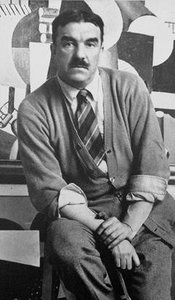
Fernand Léger
1881 - 1955 , Franța
Detalii rapide
- Artistic Movement Or Style: Cubism, Tubism
- Artists Or Movements Influenced By This Artist: ['Pop Art']
- Artists Who Influenced This Artist: ['Paul Cézanne']
- Date Of Birth: 4 Feb 1881
- Date Of Death: 17 Aug 1955
- Full Name: Fernand Léger
- Nationality: Francez
- Notable Artworks:
- Les Nus dans la forêt
- Machine Element
- The Great Parade
- Place Of Birth: Argentan, Franța
Articole similare

Synthetic Cubism Explained: A Professional Guide to Texture, Collage, and Geometric Abstraction for Modern Interior Design
Master the use of Synthetic Cubism in modern hospitality design. Our expert guide explores texture, collage, and geometric abstraction to help designers source premium, large-scale oil reproductions for hotels and corporate spaces with professional reliability.

Cubism Explained: A Professional Guide to Geometric Abstraction for Modern Interior Design
Master the impact of Cubism in modern design. Our expert guide explores geometric abstraction, Picasso's legacy, and professional solutions for sourcing high-quality Cubist reproductions for hotels, corporate spaces, and luxury interiors.

Modern Geometry & Machine Age Beauty: A Collector's Guide to the Cubist Vision of Fernand Léger
Explore the profound geometric mastery of Fernand Léger. Discover how his 'Tubism' and Machine Age aesthetics redefined modern art, offering timeless inspiration for discerning collectors seeking to integrate Cubist dynamism into sophisticated contemporary interiors.


