Previzualizare
 Trimite prin felicitare
 Distribuie
 Detalii despre lucrare
 Ghid
Ghid

 Descarcă imaginea
 Produse similare
 Radiografie
 Galerie foto
 Întrebări și răspunsuri
 Statistici
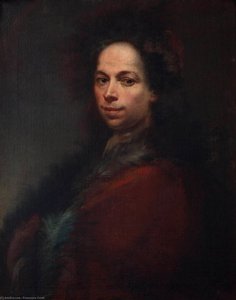
Autoportret

- 72.0 x 56.0 cm


 Vezi mai mult
Giclée / Imprimare artistică
Printuri giclée sau pe canvas de calitate muzeală, cu proces de producție rapid și opțiuni flexibile de finisare. ( Comandă pictură realizată manual Comută pe Imagine Digitală)




P118B lei10

P118H lei10

P118W lei10

P438Z lei10

P508JH lei12

P508YH lei12

P805H lei10

P805Z lei10

P919BZ lei10

P919G lei10

P919XJ lei10

P959ZH lei10

P968JZ lei12

W106C lei8

W218G lei10

W218JH lei8

W218Y lei10

W307PJ lei10

W316G lei10

W316PJ lei8

W316Y lei10

W398PJ lei8

W4111J lei10

W500HY lei15

W500JH lei15

W692G lei12

W849H lei8

W940BG lei15

W953PJ lei8




Alegeți dintre dimensiunile noastre prestabilite, care respectă proporțiile originale ale operei de artă.

Introduceți lățimea și înălțimea necesare pentru a se potrivi ramei sau peretelui dumneavoastră. O printare poate fi doar tăiată, niciodată extinsă dincolo de dimensiunea imaginii originale, astfel încât o dimensiune cu o formă diferită va pierde o parte din imagine. Vă trimitem o simulare digitală pentru aprobare înainte de a imprima orice. Imaginea afișată pe această pagină nu prezintă tăierea reală — doar simularea arată acest lucru.
Livrare în întreaga lume () în 2 săptămâni, în loc de cele 4/5 săptămâni standard. (3 Noiembrie)

Livrare expres gratuită la nivel mondial

Pânză de in de înaltă calitate

Asigurare completă pentru transport

Garanție de rambursare a taxelor vamale

Garanția fidelității culorilor

Politica de retur în 100 de zile (doar pentru defecte de fabricație)

Garanție de rambursare 100%

Ofertă pentru comenzi multiple
 Opțiunea cu sticlă este disponibilă doar pentru dimensiuni de sub 110 cm

Autoportret
Giclée / Imprimare artistică
Dimensiune reproducere
-


Preț total calculat
lei 309
Francesco Conti: A Florentine Baroque Master Reflecting Inner Vision
Francesco Conti (1681 – 1760) stands as a pivotal figure within the vibrant artistic landscape of Florence during the Baroque era, embodying the spirit of dramatic realism and masterful chiaroscuro techniques—characteristics that would define his oeuvre for decades to come. His formative years were steeped in the tutelage of Giovanni Maria Morandi and Carlo Maratta – masters whose stylistic approaches profoundly shaped his own artistic vision.
Early Influences: Conti’s initial training under Morandi exposed him to the refined elegance of Roman Baroque painting, emphasizing idealized forms and balanced compositions. Simultaneously, Maratta's teachings championed theatrical grandeur and emotional intensity—elements that would become integral to Conti’s artistic sensibilities. This dual mentorship instilled in him a dedication to capturing not merely appearances but also the psychological depth inherent within his subjects.
Florence & Patronage: Returning to Florence after his Roman studies, Conti secured invaluable support from the Riccardi family, who regularly commissioned him for monumental altarpieces and provided a stable income. This patronage allowed him to pursue his artistic endeavors with unwavering commitment and fostered collaborations that enriched Florentine art history. His meticulous attention to detail—evident in every brushstroke—became synonymous with Florentine Baroque artistry.
Dominant Technique: Mastering Chiaroscuro for Emotional Resonance
Conti’s signature technique involved layering paint with painstaking precision, creating textures that mirrored the grandeur and solemnity of his subjects. He skillfully manipulated light sources to sculpt forms and imbue canvases with an ethereal glow—a hallmark of Maratta's influence. This masterful use of chiaroscuro wasn’t merely a stylistic choice; it served as a conduit for conveying profound emotional states, mirroring the turbulent spirit of the Baroque period.
His approach mirrored that of other prominent Florentine artists of his time, prioritizing expressive power alongside technical virtuosity. The dramatic interplay of light and shadow became an indispensable tool in communicating complex narratives and eliciting visceral responses from viewers—a testament to Conti’s artistic genius.
Religious Themes: Embodiment of Faith Through Iconography
Conti dedicated his artistic energies primarily to religious iconography, producing a prolific output of altarpieces and devotional paintings that reflected the spiritual fervor of his era. His depictions of saints and biblical narratives resonated deeply with audiences and cemented his reputation as one of Florence’s foremost Baroque artists.
Notable works include ‘Madonna & Child with Saint Sylvester I, St. Paul and Saint Catherine of Alexandria,’ a breathtaking testament to Florentine artistic excellence—a masterpiece that continues to inspire awe and contemplation centuries later. Each canvas pulsates with spiritual energy, conveying the profound beauty and solemn dignity associated with Christian faith.
Legacy: An Enduring Influence on Baroque Art
Francesco Conti’s legacy extends far beyond his individual creations; he profoundly shaped the artistic sensibilities of Florence during his lifetime and influenced subsequent generations of painters. His unwavering commitment to mastering chiaroscuro, coupled with his profound understanding of psychological nuance—a characteristic that distinguishes him from many of his contemporaries—solidifies his place as a cornerstone of Florentine Baroque art.
His enduring influence can be seen in the works of artists who followed him, demonstrating the lasting impact of Conti’s artistic vision. He remains an exemplar of Baroque artistry—a testament to the transformative power of creative expression and unwavering dedication to mastering technique.
Întrebări și răspunsuri
Ce punct comun are "Autoportret" cu restul creației lui Francesco Conti?
"Autoportret" face parte din perioada Baroque Renaissance a lui Francesco Conti, ale cărei teme recurente includ morandi influence, religious imagery, florence patronage, renaissance style, conti legacy.
"Autoportret" de Francesco Conti este o operă de artă luminoasă sau întunecată?
Luminozitatea percepută a operei "Autoportret" de Francesco Conti este umbre adânci. Aceasta poate fi adaptată la lumina spațiului în care va fi expusă.
Unde pot achiziționa o printă a lucrării "Autoportret" de Francesco Conti?
Pentru a achiziționa o ediție print a lucrării "Autoportret" de Francesco Conti, vă este suficient să o comandați pe pagina dedicată Print Fine Art: o printă fine art pe canvas din bumbac sau pe hârtie canvas arhivistică.
Opere similare


Biografie artist
Francesco Conti (1681 – 1760): A Florentine Baroque Master
Francesco Conti, born in Caivano near Naples in 1681, emerged as a prominent figure within the vibrant artistic landscape of Florence during the Baroque era. His formative years were steeped in the tutelage of Giovanni Maria Morandi and Carlo Maratta – masters whose stylistic approaches profoundly shaped his own artistic vision. These influential mentors instilled in Conti a dedication to dramatic realism and masterful chiaroscuro techniques, characteristics that would define his oeuvre for decades to come.- Early Influences: Conti’s initial training under Morandi exposed him to the refined elegance of Roman Baroque painting, emphasizing idealized forms and balanced compositions. Simultaneously, Maratta's teachings championed theatrical grandeur and emotional intensity – elements that would become integral to Conti’s artistic sensibilities.
- Florence & Patronage: Returning to Florence after his formative years in Rome, Conti secured invaluable support from the Riccardi family, who regularly commissioned him for monumental altarpieces and provided a stable income. This patronage allowed him to pursue his artistic endeavors with unwavering commitment and fostered collaborations that enriched Florentine art history.
Notable Works & Artistic Style
Conti’s artistic style was characterized by an uncompromising embrace of Baroque principles – particularly chiaroscuro, the dramatic interplay between light and shadow—which he skillfully employed to convey emotion and heighten visual impact. His paintings pulsated with palpable energy, capturing moments of profound spiritual contemplation alongside scenes of heroic action. Among his most celebrated achievements are “Madonna & Child with Saint Sylvester I, Saint Paul and Saint Catherine of Alexandria” (1738), commissioned for Sant’Andrea della Minerva by the Rucellai family—a masterpiece lauded for its masterful composition and luminous illumination—and “Death of King Josiah,” a monumental depiction of biblical drama executed in 1740. These works stand as testament to Conti's ability to fuse technical virtuosity with expressive storytelling.- Dominant Technique: Conti’s signature technique involved meticulous layering of paint, creating textures that mirrored the grandeur and solemnity of his subjects. He skillfully manipulated light sources to sculpt forms and imbue canvases with an ethereal glow—a hallmark of Maratta's influence.
- Religious Themes: Conti dedicated his artistic energies primarily to religious iconography, producing a prolific output of altarpieces and devotional paintings that reflected the spiritual fervor of his time. His depictions of saints and biblical narratives resonated deeply with audiences and cemented his reputation as one of Florence’s foremost Baroque artists.
Legacy & Influence
Francesco Conti's artistic legacy extends beyond his individual masterpieces; he served as a mentor to numerous aspiring painters, fostering the development of Florentine Baroque art for generations to come. His pupil Anna Bacherini Piattoli continued Conti’s stylistic traditions and contributed significantly to the artistic discourse of the era. Conti’s unwavering commitment to Baroque principles—particularly chiaroscuro and dramatic realism—established him as a pivotal figure in Florentine art history, ensuring his enduring influence on subsequent artists and shaping the visual culture of his time. His work continues to inspire admiration for its expressive power and technical brilliance.Further Exploration
For deeper insights into Francesco Conti’s artistic journey and contributions to Baroque painting, explore resources such as:Recommended Resources
- Museum Database: Сан Франческо делла Вінья

Francesco Conti
1681 - 1760 , Italy
Detalii rapide
- Artistic Movement Or Style: Baroque
- Artists Or Movements Influenced By This Artist: ['Anna Bacherini Piattoli']
- Artists Who Influenced This Artist:
- Giovanni Maria Morandi
- Carlo Maratta
- Full Name: Francesco Conti
- Nationality: Italian
- Notable Artworks:
- Madonna & Child with Saints
- Death of King Josiah
- Place Of Birth: Caivano, Italy
- Date Of Birth: 1681
- Date Of Death: 1760
Articole similare

Barocul în Splendoare: Cele Mai Reprezentative 10 Capodopere Artistice | AllPaintingsStore.ro
Descoperă splendoarea Barocului! Explorează cele mai importante 10 capodopere ale lui Caravaggio, Rembrandt și Rubens. Află poveștile din spatele picturilor iconice și adu eleganța clasică în casa ta cu reproduceri de artă premium pe AllPaintingsStore.ro

Italian Baroque Unlocked: High-Drama Art That Hits Hard
Dive into the high-drama world of Italian Baroque art. Discover how chiaroscuro, intense emotion, and theatrical lighting redefined aesthetics. Explore the visceral power of the Counter-Reformation through a modern lens with expert insights from AllPaintingsStore.com.

Drama Barocă: Cum să Aduceți Splendoare și Emoție în Interioarele Contemporane
Descoperiți cum să integrați splendoarea stilului baroc în locuința dumneavoastră! Ghid complet cu elemente de design, culori și inspirație pentru interioare luxoase și pline de emoție.

The Visceral Stage: Exploring Dramatic Narratives & Emotional Intensity in Baroque Art
Explore the dramatic world of Baroque art! Discover iconic masters like Caravaggio & Rembrandt, their techniques, and the movement's lasting impact. Expert insights for collectors & enthusiasts at AllPaintingsStore.

Drama and Light: A Definitive Guide to the Italian Baroque Masterpieces and the Revolution of Chiaroscuro
Explore the dramatic world of Italian Baroque art. Discover how masters like Caravaggio used chiaroscuro and tenebrism to revolutionize painting through light, shadow, and profound realism. A definitive guide for history lovers and art collectors.