


 Vezi în context
 Trimite
 Distribuie
 Detalii
 Ghidul

 Descarcă
 Produse similare
 Radiografie
 Diaporama
 Statistici
Mandrilul
 Ulei pe pânză
- Artă de perete
- Expresionism
 1913
1913- Era modernă
 91.0 x 131.0 cm
 Staatsgalerie Moderner Kunst
 Citește mai mult
Reproducere pictată manual în ulei
Pictură în ulei pe pânză, realizată manual de artiștii noștri la dimensiunea și ramele dorite de dumneavoastră, pe comandă. ( Comută pe versiunea Print Treci la imagine digitală)




P118B lei10

P118H lei10

P118W lei10

P438Z lei10

P508JH lei12

P508YH lei12

P805H lei10

P805Z lei10

P919BZ lei10

P919G lei10

P919XJ lei10

P959ZH lei10

P968JZ lei12

W106C lei8

W218G lei10

W218JH lei8

W218Y lei10

W307PJ lei10

W316G lei10

W316PJ lei8

W316Y lei10

W398PJ lei8

W4111J lei10

W500HY lei15

W500JH lei15

W692G lei12

W849H lei8

W940BG lei15

W953PJ lei8




Alegeți dintre dimensiunile noastre prestabilite, care respectă proporțiile originale ale operei de artă.

Introduceți lățimea și înălțimea de care aveți nevoie, pentru a se potrivi ramei sau peretelui dumneavoastră. Această lucrare este pictată manual, așa că pentru o dimensiune cu o formă diferită, artistul poate picta puțin mai mult în jurul imaginii sau poate tăia puțin din margini — dumneavoastră decideți. Vă vom trimite o simulare digitală pentru aprobare înainte de a începe pictarea. Imaginea afișată pe această pagină nu reprezintă rezultatul real — doar simularea este reprezentativă.
După plasarea comenzii, echipa AllPaintingsStore.com va contacta clientul prin e-mail pentru instrucțiuni și îi va furniza o previzualizare a machetei
Livrare în întreaga lume () în 3-4 săptămâni, în loc de cele 5 săptămâni standard. (22 Octombrie). Fără compromisuri în ceea ce privește calitatea.

Livrare expres gratuită la nivel mondial

Pânză de in premium

Asigurare completă pentru transport

Garanție de rambursare a taxelor vamale

Garanția fidelității culorilor

Politica de retur în 100 de zile (doar pentru defecte)

Garanție de rambursare 100%

Reducere pentru comenzi multiple
 Opțiunea cu sticlă este disponibilă doar pentru dimensiuni de sub 110 cm

Mandrilul
Tip de reproducere
Dimensiune reproducere
-


Preț total
lei 1186
O Simfonie în Ocră și Smarald: Spiritul Primitiv al lui Franz Marc
În panteonul Expresionismului German, puține opere surprind pulsul crud și spiritual al lumii naturale la fel de vibrant ca „Mandrilul”. Pictată în 1913, această capodoperă a lui Franz Marc servește ca o meditație profundă asupra interconectării tuturor ființelor vii. În esența sa, pictura nu este doar o reprezentare a unui primat; este o explorare a esenței dincolo de aparență. Marc, membru fondator al influentului movement Der Blaue Reiter, a căutat să transcende superficialitatea realității pentru a dezvălui un adevăr mai profund, mai spiritual. Prin prisma sa, mandrilul devine un vas pentru energia cosmică, redat printr-o paletă care vibrează de viață și tensiune.
Tehnica utilizată în „Mandrilul” este o coliziune magistrală între fluiditatea organică și structura geometrică. Marc folosește o întindere uimitoare de ocră—o nuanță care stabilizează compoziția prin prezența sa terestră și constantă—care stă într-un contrast dinamic cu petele de verde smarald. Aceste nuanțe de verde simbolizează vitalitatea și forțele regenerative ale naturii, creând un dialog vizual între stabilitate și creștere. Trăsurile pensulei artistului evită estetica academică a amestecării moi; în schimb, culorile colidează energetic, transmitând un sentiment palpabil de urgență. Integrând elemente de fragmentare inspirate din Cubism, Marc descompune subiectul în linii angulare și forme îndrăznețe, perturbând perspectiva tradițională pentru a oferi o viziune multifacetată asupra puterii creaturii.
Simbolism și Peisajul Emoțional
A privi această operă înseamnă a intra într-o lume în care culoarea funcționează ca însăși emoția. Pentru Marc, culorile nu erau doar alegeri estetice, ci limbaje simbolice: albastru reprezenta masculinitatea și spiritualitatea, în timp ce galbenul evoca blândețea și bucuria feminină. În „Mandrilul”, interacțiunea dintre ocrele calde și smaraldul rece creează o tensiune ritmică ce oglindește complexitatea sălbăticiei. Structura centrală și curbată a formei mandrilului domină pânza cu o măreție monumentală, atras de către privitor în orbita sa primordială. Acest punct focal central este înconjurat de un echilibru delicat de arbori, frunziș și păsări, sugerând un ecosistem armonios, dar tulbure, unde fiecare element joacă un rol într-o simfonie divină mai amplă.
Pentru colecționarul avizat sau designerul de interior, „Mandrilul” oferă mai mult decât simplul splendor vizual; acesta oferă o ancoră emoțională pentru orice spațiu. Capacitatea picturii de a evoca atât stabilitate, cât și dinamism, o transformă într-o piesă centrală versatilă pentru medii sofisticate. Fie că este plasată într-un cadru de galerie contemporană sau într-un birou rezidențial atent amenajat, opera invită la contemplare și dialog. Ea rămâne o mărturie a unei epoci scurte, dar strălucitoare din istoria artei—o perioadă în care artiști precum Marc au îndrăznit să picteze sufletul lumii, lăsând în urmă un moștenire a culorii care continuă să inspire uimire și o rezonanță spirituală profundă tuturor celor care o întâlnesc.
Întrebări și răspunsuri
Ce sentiment transmite "Mandrilul" de Franz Marc?
În "Mandrilul", o atmosferă Dramatic însoțește o emoție Spiritual.
Ce tip de operă de artă este "Mandrilul" de Franz Marc?
"Mandrilul" de Franz Marc este clasificată ca Artă de perete. Această categorie descrie tipul de operă de artă din care este compusă originalul.
Ce dimensiune ar trebui să aleg pentru printarea "Mandrilul" pentru camera mea?
Combinația recomandată pentru "Mandrilul" de Franz Marc: o printare de dimensiunea Format mare, ideală pentru o Living Room.
Opere similare


Biografie artist
A Life Immersed in Color and Spirit
Franz Moritz Wilhelm Marc, born in Munich in 1880, was a painter whose brief but intensely focused career irrevocably altered the course of German Expressionism. His story is one of profound spiritual seeking translated into a vibrant visual language, a quest to understand the essence of life through the purity he found in the natural world—particularly within the animal kingdom. Initially influenced by his father, Wilhelm Marc, a landscape painter, young Franz’s artistic path wasn't immediately certain. He briefly considered theology, grappling with questions of faith and existence before ultimately dedicating himself to art at the Academy of Fine Arts in Munich. These early explorations into religious thought would remain deeply embedded within his work, shaping his belief that art could be a conduit for spiritual experience. His academic training provided him with technical foundations, but it was encounters with the works of Vincent van Gogh during visits to Paris that truly ignited his artistic vision. Van Gogh’s emotive use of color and raw expression resonated profoundly with Marc, liberating him from conventional techniques and setting him on a path toward a more subjective and emotionally charged style.The Blue Rider and a New Artistic Vision
Marc's artistic development wasn’t solitary; it flourished within the dynamic context of early 20th-century Munich. He experimented with various artist groups, including the Neue Künstlervereinigung München, before co-founding *Der Blaue Reiter* (The Blue Rider) in 1911 alongside Wassily Kandinsky. This wasn’t merely a group or an exhibition series; it was a philosophical and artistic revolution. *Der Blaue Reiter* sought to move beyond mere representation, aiming instead to express inner spiritual truths through abstraction and symbolic color. The journal of the same name became a platform for disseminating these ideas, showcasing not only their own work but also that of other forward-thinking artists and exploring diverse cultural influences from folk art to primitive sculpture. Marc’s contributions during this period were pivotal. He moved away from depicting landscapes as static scenes, instead focusing on animals—horses, deer, foxes—as vessels of spiritual energy. These weren't simply animal portraits; they were symbolic representations of innocence, harmony, and a connection to the natural world that he believed humanity had lost. The influence of Robert Delaunay’s exploration of abstract forms and vibrant colors further propelled Marc toward simplification and heightened emotional expression in his work. Paintings like *The Tiger* (1912) and *Red Deer* (1912) exemplify this shift, showcasing bold color choices and a growing focus on the inherent qualities of his subjects rather than realistic depiction.Symbolism, Color, and the Essence of Being
Marc’s artistic style is immediately recognizable for its distinctive use of color and form. He didn't employ color descriptively; instead, he imbued it with symbolic meaning. Blue represented spirituality and masculinity, yellow signified joy and femininity, and red embodied violence and materiality. These weren’t arbitrary choices but a carefully constructed system designed to convey specific emotional and philosophical ideas. His animals aren’t merely subjects; they are embodiments of these concepts. The simplification of forms—reducing figures to their essential shapes—further emphasized the underlying spiritual essence he sought to capture. *The Tower of Blue Horses* (1913), sadly lost during World War II, is perhaps the most iconic example of this approach, a powerful and evocative composition that encapsulates his artistic vision. He believed animals possessed an inherent purity and connection to nature that humans had forfeited through societal constraints and intellectualization. By portraying them with such reverence and symbolic weight, Marc sought to remind viewers of this lost harmony and inspire a deeper appreciation for the natural world. His work wasn’t about depicting *what* he saw but rather *how* he felt—a deeply personal and spiritual response to his surroundings.Key Works and Influences
Marc's oeuvre is characterized by a remarkable consistency in subject matter and stylistic approach, despite evolving techniques. Early works like *The Yellow Cow* (1909) demonstrate his initial exploration of simplified forms and vibrant colors, heavily influenced by Van Gogh’s expressive brushwork. His later paintings, such as *The Tower of Blue Horses*, showcase a more complex use of symbolism and abstraction, reflecting his engagement with Kandinsky's theories on spirituality in art. The influence of Paul Gauguin is also evident in Marc’s interest in primitive cultures and the depiction of non-Western subjects. He was deeply moved by the art of indigenous peoples, particularly their symbolic representations of animals and spirits. Furthermore, Marc’s time in Paris exposed him to the innovations of Cubism, which he incorporated into his work through fragmented forms and multiple perspectives. The impact of these diverse influences is evident throughout his career, creating a unique artistic language that continues to fascinate viewers today.A Tragic End and Lasting Legacy
The outbreak of World War I in 1914 dramatically altered Marc's life and artistic trajectory. Despite seeking exemption due to his status as an artist, he was drafted into the German army, serving as a cavalryman. The horrors of war deeply affected him, yet even amidst the chaos, he continued to paint, finding solace and meaning in his art. Tragically, Franz Marc died on March 4, 1916, at the Battle of Verdun, a devastating loss for the art world. His untimely death cut short a career brimming with potential, but it also cemented his place as a pivotal figure in modern art history. His work continues to resonate today, influencing generations of artists and captivating audiences with its emotional depth and spiritual resonance. Marc’s paintings are exhibited in major museums worldwide, including the Lenbachhaus in Munich, which holds an extensive collection of his work. He is remembered not only as a pioneer of German Expressionism but also as a visionary artist who dared to explore the profound connection between art, spirituality, and the natural world—a legacy that continues to inspire awe and contemplation. His artistic vision remains a testament to the power of art to transcend the material realm and touch upon something deeper within the human spirit.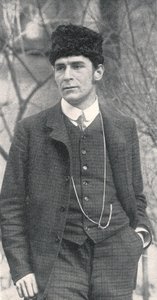
Franz Marc
1880 - 1916 , Germania
Informații rapide
- Artistic Movement Or Style: Expresionism German
- Artists Or Movements Influenced By This Artist:
- Expresionism
- Der Blaue Reiter
- Artists Who Influenced This Artist:
- Van Gogh
- Delaunay
- Date Of Birth: 8 Feb 1880
- Date Of Death: 4 Mar 1916
- Full Name: Franz Moritz Wilhelm Marc
- Nationality: German
- Notable Artworks:
- Calărețul albastru
- Caii roșii
- Coiul roșu
- Place Of Birth: Munich, Germania
Articole conexe

Expresionismul German: 10 Capodopere Iconice pentru Decoruri de Artă
Descoperă cele mai importante 10 capodopere ale Expresionismului German! Explorează poveștile din spatele picturilor Kandinsky, Munch și Kirchner. Reproduceri de artă premium pentru un decor unic pe AllPaintingsStore.com

Unmasking Emotion: A Journey Through the Raw Power and Visceral Beauty of German Expressionism
Explore the raw emotional power of German Expressionism. From Kirchner to Die Brücke, discover how artists used distortion and vibrant color to unmask the human psyche. A deep dive into art history for the discerning collector and enthusiast.
Figurative Expressionism: Emotional Intensity & Subjective Reality in 20th-Century Art
Explore the powerful world of Figurative Expressionism with AllPaintingsStore. Discover key artists like Kirchner & Beckmann, understand its emotional depth, and learn how to collect this influential 20th-century art movement.

The Visceral Cry of a Nation: Exploring Emotion & Distortion in German Expressionism
Explore the powerful world of German Expressionism with AllPaintingsStore. Discover Kirchner, Nolde & Die Brücke's emotive masterpieces. Learn about this pivotal art movement and its lasting impact on modern art.

Unmasking Emotion: A Definitive Guide to the Raw Power and Visceral Beauty of German Expressionism
Explore the visceral power of German Expressionism. From Ernst Ludwig Kirchner to Die Brücke, discover how bold colors and distorted forms unmask raw human emotion in this expert art history guide for collectors and enthusiasts.


