


 Previzualizare
 Trimite
 Distribuie
 Detalii despre lucrare

 Descarcă
 Produse similare
 Radiografie
 Diapozitive automate
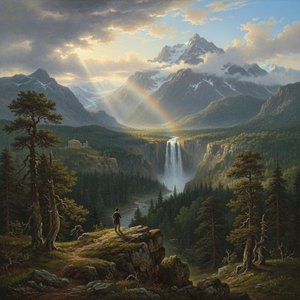
Tree Foliage
 Contemporary Realism
 31.0 x 44.0 cm
 Vezi mai mult
Reproducere pictată manual în ulei
Pictură în ulei pe pânză, realizată manual de artiștii noștri la dimensiunea și ramele dorite de dumneavoastră, pe comandă. ( Comandă printul Cumpără imaginea)




































Alegeți dintre dimensiunile noastre prestabilite, care respectă proporțiile originale ale operei de artă.

Puteți introduce propriile dimensiuni pentru a se potrivi unui anumit cadru sau spațiu. Dacă dimensiunea selectată nu corespunde proporțiilor imaginii originale, vom decupa opera de artă sau vom extinde pictura cu elemente suplimentare pictate manual. O simulare digitală vă va fi trimisă pentru aprobare înainte de începerea producției.
Vă rugăm să rețineți că previzualizarea de pe ecran nu reflectă decuparea sau extinderea reală. Doar macheta va arăta cu exactitate compoziția finală.
Deși sunt disponibile dimensiuni personalizate, vă recomandăm să selectați o dimensiune din lista predefinită pentru a păstra proporțiile originale.
După plasarea comenzii, echipa AllPaintingsStore.com va contacta clientul prin e-mail pentru instrucțiuni și îi va furniza o previzualizare a machetei
Livrare în întreaga lume () în 3-4 săptămâni, în loc de cele 5 săptămâni standard. (25 August). Fără compromisuri în ceea ce privește calitatea.

Livrare expres gratuită la nivel mondial

Pânză de in de înaltă calitate

Asigurare completă pentru transport

Garanție de rambursare a taxelor vamale

Garanția fidelității culorilor

Politica de retur în 60 de zile (doar pentru defecte)

Garanție de rambursare 100%

Ofertă pentru comenzi multiple
 Opțiunea cu sticlă este disponibilă doar pentru dimensiuni de sub 110 cm

Tree Foliage
Tehnică de reproducere
Dimensiune reproducere
-


Preț total calculat
$ 258
Opere similare


Biografie artist
The Painter of Tranquility and Romantic Vision
George Augustus Wallis, born in the quiet surroundings of Merton, Surrey, in 1761, stands as a luminous figure in the transition from Neoclassicism to the emotive depths of Romanticism. His life was a grand odyssey across the European continent, a journey that mirrored the evolution of his brushwork from disciplined structure to atmospheric splendor. As a protégé of George Greville, the 2nd Earl of Warwick, Wallis was afforded an early and vital connection to the upper echelons of art patronage. This relationship provided not only financial stability but also an immersion in the artistic currents flowing through Warwick Castle, where he encountered the profound influence of German Romanticism through artists like Philipp Hackert. These early years laid the foundation for a career defined by a deep reverence for the sublime grandeur of the natural world.
The true metamorphosis of Wallis’s artistry occurred during his transformative travels through Italy between 1788 and 1790. Funded by the generosity of his patron, he embarked on a pilgrimage to Naples, Rome, and Sicily, immersing himself in an international community of luminaries. In the vibrant studios of Naples and the historic streets of Rome, Wallis encountered the works and methods of Joseph Anton Koch and Gottlieb Schick. These encounters acted as a catalyst, pushing him away from rigid classical conventions toward a more expressive, luminous style. His palette began to breathe with the warmth of Mediterranean light, and his landscapes acquired a palpable sense of immediacy and emotion, capturing not just the topography of a place, but its very soul.
A Legacy of Light and Landscape
Wallis’s body of work is characterized by a remarkable versatility, ranging from monumental oil canvases that command attention to intimate watercolors that whisper of fleeting moments. His mastery of light became his signature, a technique that allowed him to render the textures of ancient ruins and lush foliage with breathtaking realism. One of his most enduring achievements is Villa Adriana, a masterpiece created in 1790 that serves as a poignant window into the Roman past. In this work, he achieves a delicate balance between meticulous historical detail and Romantic idealism, presenting the ruins not merely as decaying stone, but as a serene, timeless landscape imbued with a sense of melancholy beauty.
His ability to capture the human presence within nature is equally profound, as seen in Landscape near Rome. In this composition, the artist uses the figure of a man gazing into the distance to invite the viewer into his own state of contemplation, effectively bridging the gap between the observer and the observed. This technique of using figures to anchor the vastness of the landscape became a hallmark of his mature style. Beyond his landscapes, Wallis was also a skilled portraitist and fresco painter, particularly during his influential years teaching at the Accademia di Belle Arti in Florence. His later life, spent largely on the Continent—including periods in Spain and Germany—saw him acting as both an educator and an art dealer, further cementing his role in the broader European art market.
The historical significance of George Augustus Wallis lies in his role as a bridge between eras. He was a pioneer who helped usher in the Romantic landscape tradition by blending the structural integrity of German-influenced Neoclassicism with a new, emotive focus on atmospheric perspective and light. His life, marked by both political turbulence and artistic triumph, reflects the very essence of the 19th-century spirit: a restless search for beauty amidst the changing tides of history.

george augustus wallis
1761 - 1847
Detalii rapide
- Artistic Movement Or Style: Romantic Landscape Painting
- Artists Or Movements Influenced By This Artist: ['Joseph Anton Koch']
- Artists Who Influenced This Artist: ['George Greville']
- Date Of Birth: 1761
- Date Of Death: 1847
- Full Name: George Augustus Wallis
- Nationality: English
- Notable Artworks:
- Villa Adriana
- Landscape near Rome
- Place Of Birth: Merton, Surrey
Articole similare
Evoking Nature's Sublime: A Comprehensive Exploration of 19th-Century Landscape Painting
Explore the captivating world of 19th-century landscape painting! Discover renowned artists like Friedrich & Monet, key movements, and find the perfect artwork to bring nature's serenity into your home. Expert insights at AllPaintingsStore.

Arboreal Echoes: A Historical & Artistic Exploration of Trees in Painting
Explore the rich history of trees in painting! Discover symbolism, Romantic masterpieces by Caspar David Friedrich & beyond. A curated journey for art enthusiasts.

Peisaje Romantice Iconice: 10 Capodopere Artistice pentru Decorul de Lux
Descoperă 10 capodopere romantice iconice de Caspar David Friedrich, Turner și alți maeștri. Explorează istoria artei, emoțiile din peisaje și găsește tablouri canvas perfecte pentru decorul tău pe AllPaintingsStore.com!

John Constable: Cele Mai Frumoase 25 de Capodopere – Artă Clasică pentru Decorul Casei Tale
Descoperă cele mai frumoase 25 de picturi ale lui John Constable, maestru al peisajului englezesc! Explorează stilul romantic, Dedham Vale și capodopere precum The Hay Wain. Reproduceri artă clasică pentru decorul casei tale – AllPaintingsStore.com.

Evocations of Place: A Historical Journey Through Landscape Art
Explore the rich history of landscape art with AllPaintingsStore. Discover renowned artists, movements like Impressionism & Romanticism, and expert guidance for collecting timeless pieces. Find your perfect serene escape today!


