


 Previzualizare
 Trimite prin felicitare
 Distribuie
 Detalii despre lucrare
 Ghid
Ghid

 Descarcă imaginea
 Produse similare
 Radiografie
 Galerie foto
 Întrebări și răspunsuri
 Statistici
Head in Profile

- 17.0 x 11.0 cm


 Vezi mai mult
Giclée / Imprimare artistică
Printuri giclée sau pe canvas de calitate muzeală, cu proces de producție rapid și opțiuni flexibile de finisare. ( Comandă pictură realizată manual Comută pe Imagine Digitală)




P118B lei10

P118H lei10

P118W lei10

P438Z lei10

P508JH lei12

P508YH lei12

P805H lei10

P805Z lei10

P919BZ lei10

P919G lei10

P919XJ lei10

P959ZH lei10

P968JZ lei12

W106C lei8

W218G lei10

W218JH lei8

W218Y lei10

W307PJ lei10

W316G lei10

W316PJ lei8

W316Y lei10

W398PJ lei8

W4111J lei10

W500HY lei15

W500JH lei15

W692G lei12

W849H lei8

W940BG lei15

W953PJ lei8




Alegeți dintre dimensiunile noastre prestabilite, care respectă proporțiile originale ale operei de artă.

Introduceți lățimea și înălțimea necesare pentru a se potrivi ramei sau peretelui dumneavoastră. O printare poate fi doar tăiată, niciodată extinsă dincolo de dimensiunea imaginii originale, astfel încât o dimensiune cu o formă diferită va pierde o parte din imagine. Vă trimitem o simulare digitală pentru aprobare înainte de a imprima orice. Imaginea afișată pe această pagină nu prezintă tăierea reală — doar simularea arată acest lucru.
Livrare în întreaga lume () în 2 săptămâni, în loc de cele 4/5 săptămâni standard. (7 Noiembrie)

Livrare expres gratuită la nivel mondial

Pânză de in de înaltă calitate

Asigurare completă pentru transport

Garanție de rambursare a taxelor vamale

Garanția fidelității culorilor

Politica de retur în 100 de zile (doar pentru defecte de fabricație)

Garanție de rambursare 100%

Ofertă pentru comenzi multiple
 Opțiunea cu sticlă este disponibilă doar pentru dimensiuni de sub 110 cm

Head in Profile
Giclée / Imprimare artistică
Dimensiune reproducere
-


Preț total calculat
lei 310
A Portrait of Dignified Reflection: George Romney’s “Head in Profile”
George Romney's "Head in Profile," executed around 1762, stands as a testament to the burgeoning neoclassical aesthetic and Romney’s masterful ability to capture both physical likeness and psychological nuance. This unassuming portrait—measuring just 17 x 11 cm—holds within its frame a wealth of artistic considerations that continue to fascinate scholars and collectors alike. Currently residing at Yale Center for British Art in New Haven, Connecticut, it exemplifies the idealized beauty championed by artists like Romney during his prolific career.The Artist’s Vision: Romney's Neoclassical Style
Romney firmly established himself as a leading figure within the English portraiture scene of the mid-18th century, largely due to his unwavering devotion to classical ideals. Influenced profoundly by the rediscovery of Greek and Roman sculpture during this period—a movement known as neoclassicism—Romney sought to emulate the serene composure and intellectual depth characteristic of ancient art. Unlike the Rococo style that dominated much of Europe at the time, which prioritized ornamentation and frivolity, Romney’s approach favored restraint and clarity, prioritizing anatomical accuracy alongside subtle expressions of emotion. The artist meticulously studied classical anatomy, striving for a realistic depiction of musculature and bone structure—a deliberate departure from the exaggerated poses prevalent in earlier artistic traditions.Technique and Material Considerations
The painting itself is executed on laid paper, a choice that contributes significantly to its textural quality. Laid paper features a subtle indentation pattern created during the papermaking process, resulting in a surface that possesses a tactile richness absent in smoother substrates. Romney skillfully employed oil paints—a technique favored by artists of his time—allowing for layering and blending to achieve remarkable tonal gradations. Careful attention was paid to capturing the interplay of light and shadow on the subject’s face, enhancing the sense of depth and dimensionality. The artist's signature is discreetly positioned at the lower right corner, affirming authenticity and acknowledging Romney’s artistic prowess.Historical Context: Society and Patronage in Georgian England
“Head in Profile” reflects the social landscape of Georgian England—a period marked by aristocratic patronage and a fascination with intellectual pursuits. Romney’s clientele comprised wealthy families eager to commemorate their lineage and status through commissioned portraits. The subject depicted is likely a gentleman, embodying the virtues of reason, dignity, and moral fortitude – qualities highly valued within the cultural milieu of the era. Such portraits served not merely as visual records but also as symbols of social prestige and familial continuity.Symbolism: Beyond Mere Representation
While seemingly simple in its composition, “Head in Profile” is imbued with symbolic significance. The pose itself—the head turned towards the viewer—represents introspection and contemplation, inviting viewers to engage in a dialogue about inner character. Romney’s masterful rendering of facial features conveys an understated serenity, reflecting the idealized notions of beauty prevalent during neoclassicism. This quiet dignity speaks volumes about the subject's moral standing and intellectual sophistication – themes central to the broader artistic and philosophical currents of the time.Emotional Impact: Capturing Inner Essence
Ultimately, Romney’s “Head in Profile” transcends mere visual representation; it succeeds in capturing a profound emotional essence. The artist skillfully conveys a sense of calm repose and dignified contemplation, inviting viewers to contemplate themes of virtue and intellect. It is this ability to distill complex psychological states into a single image that secures the painting's enduring appeal—a testament to Romney’s artistic genius and his contribution to the canon of neoclassical portraiture.Întrebări și răspunsuri
Din ce perioadă istorică face parte "Head in Profile" de George Romney?
Perioada istorică a operei "Head in Profile" de George Romney este Renaissance. Această clasificare plasează lucrarea în contextul istoriei artei.
Cum face "Head in Profile" de George Romney legătura între British Romanticism și țara de origine a artistului?
"Head in Profile" a fost creat de George Romney, născut în Regatul Unit al Marii Britanii și Irlandei, în cadrul mișcării British Romanticism. Originea artistului leagă această operă de British Romanticism, așa cum este practicat de artiștii din Regatul Unit al Marii Britanii și Irlandei.
Ce paletă de culori utilizează "Head in Profile"?
Culorile din "Head in Profile" formează o paletă Monochrome. Această clasificare descrie familiile de culori dominante.
Opere similare


Biografie artist
A Life in Portraiture: The World of George Romney
Born in the picturesque landscape of Dalton-in-Furness, Lancashire, on December 15th, 1734, George Romney ascended to become one of the most sought-after portrait painters of his era. His journey from a cabinet maker’s son to the favored artist of British high society is a compelling narrative of innate talent and unwavering ambition. Early life offered little indication of the artistic path he would forge; initially apprenticed to his father, it was an inherent inclination towards drawing and craftsmanship that led him to Christopher Steele, a local portraitist who had studied in Paris. This apprenticeship proved pivotal, providing Romney with foundational skills and an introduction to European artistic traditions. He quickly surpassed his master, however, demonstrating a precocious talent demanding further cultivation. A brief, unhappy marriage and subsequent separation propelled him towards London in 1762, a city brimming with opportunity but also fierce competition.Establishing a Reputation: Style and Technique
London proved to be a crucible for Romney’s artistic development. He swiftly established himself as a formidable portraitist, challenging the dominance of artists like Thomas Gainsborough and Sir Joshua Reynolds. While he never sought membership in the Royal Academy – a decision that perhaps limited his access to certain patronage – his success was undeniable. Romney's style evolved over time, initially reflecting the influence of Steele and his Parisian training, but soon blossomed into something distinctly his own. He possessed an exceptional ability to capture not merely the likeness, but also the personality and social standing of his sitters. His portraits are characterized by elegant poses, a refined use of light and shadow, and a subtle psychological insight that set him apart. Romney’s technique was marked by a delicate touch and a preference for flowing lines, often drawing inspiration from classical sculpture. He skillfully employed color to convey texture and depth, creating portraits that were both visually striking and emotionally resonant. His ability to flatter his subjects while maintaining artistic integrity earned him the loyalty of an elite clientele. He understood the power of suggestion, hinting at character rather than explicitly defining it, a quality that appealed to those who valued discretion and refinement.The Muse and Her Influence: Emma Hamilton
Romney’s life took a dramatic turn with his encounter with Emma Hart, later known as Lady Hamilton, in 1782. She became not only his most celebrated model but also his muse, profoundly influencing his artistic output. Emma's beauty, intelligence, and theatrical flair captivated Romney, inspiring a series of portraits that explored themes of classical mythology, dramatic narrative, and feminine grace. He depicted her in various roles – as a spinner, as the tragic Miranda from Shakespeare’s *The Tempest*, and in numerous allegorical scenes that showcased her expressive range. These works demonstrate Romney's willingness to experiment with composition and symbolism, moving beyond conventional portraiture into more imaginative territory. The Tempest series, in particular, reveals a Romantic sensibility at play, anticipating the emotional intensity of later artists. The relationship was intense and all-consuming for Romney, though ultimately unfulfilled romantically; Emma eventually became the mistress of Lord Nelson, a union that cemented her place in history. Nevertheless, their artistic collaboration left an indelible mark on both their lives and produced some of Romney’s most enduring masterpieces. It is said he painted over 80 portraits of her, each revealing a different facet of her captivating personality.A Painter's Struggles and Legacy
Despite his remarkable success, George Romney faced personal challenges that impacted his artistic career. His marriage was unhappy, and his later years were marred by mental health issues, leading to periods of inactivity and self-doubt. He struggled with the pressure of meeting the demands of a wealthy clientele and often worked quickly to complete commissions, which sometimes compromised the quality of his work. However, Romney’s influence on British portraiture is undeniable. He helped shape the aesthetic sensibilities of the late 18th century, contributing to a style that emphasized elegance, psychological depth, and artistic flair. His portraits offer invaluable insights into the lives and tastes of the British elite during his time, providing a visual record of their social customs, fashion, and intellectual pursuits. Romney’s work continues to be admired for its technical brilliance and emotional resonance, and he remains a significant figure in the history of art – a master portraitist who captured the spirit of an age. His legacy is not just in the hundreds of paintings and drawings that remain as testaments to his skill, but also in the way he redefined the possibilities of the genre.Key Works
Here are some of George Romney’s most notable works:- Peter and James Romney (1764)
- Portrait of G. Cowper (1765)
- The Death of General Wolfe (1769)
- Mrs. Carwardine & Son (1773)
- Lady Hamilton as Miranda from *The Tempest* (1782-1783) – a series of six paintings
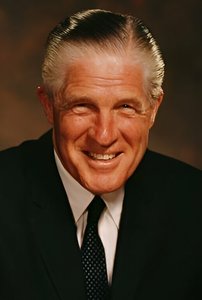
George Romney
1734 - 1802 , Regatul Unit al Marii Britanii și Irlandei
Detalii rapide
- Artistic Movement Or Style: Portraiture, Romanticism
- Artists Or Movements Influenced By This Artist:
- Reynolds
- Gainsborough
- Artists Who Influenced This Artist:
- Steele
- Vanloo
- Date Of Birth: 15 Dec. 1734
- Date Of Death: 15 Nov. 1802
- Full Name: George Romney
- Nationality: British
- Notable Artworks:
- Peter & James
- General Wolfe
- Mrs. Carwardine
- Place Of Birth: Dalton-in-Furness, UK
Articole similare

Neoclassical Portraiture: A Procurement Guide to Timeless Elegance for Luxury Hotel Interiors
A professional procurement guide for hotel designers sourcing Neoclassical portraiture. Discover how to integrate timeless elegance into luxury interiors with high-volume, hand-painted oil reproductions, custom sizing, and reliable global logistics for large-scale hospitality projects.


