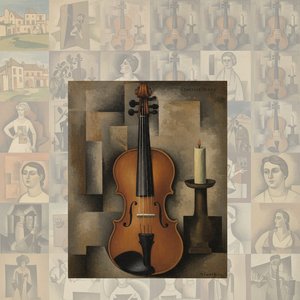
Acrylic On Canvas.

§ 1Catalogue data

Această lucrare este protejată de drepturile de autor
Lucrarea de artă afișată pe această pagină este protejată de legile privind drepturile de autor, ceea ce înseamnă că nu putem crea sau vinde în mod legal o reproducere identică. Această protecție este garantată prin acorduri internaționale, precum Convenția de la Berna și de legile naționale, inclusiv cele prevăzute de Legea dreptului de autor din S.U.A. – Titlul 17. Toate drepturile rezervate. Orice reproducere neautorizată este interzisă.
Ca alternativă respectuoasă și legală, oferim tablouri pictate manual, personalizate, inspirate de original. Artistii noștri experimentați și profesioniști studiază cu atenție stilul, starea de spirit și esența artistică a originalului pentru a crea o piesă nouă și unică, care evocă aceeași emoție – rămânând, în același timp, o creație originală în sine.
Această metodă respectă pe deplin reglementările privind drepturile de autor, deoarece nu implică copierea sau duplicarea operei protejate. În schimb, este o reinterpretare creativă – o pictură nouă, influențată de original, dar care nu este identică cu acesta.
 Citește mai mult
§ 2Abstract
Descriere obiect de colecție
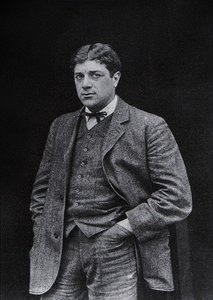
Biografie artist
Descoperă Georges Braque (1882-1963): Pionierul cubismului și maestru al fauvizmului! Explorează operele sale inovatoare, inclusiv „Case la L'Estaque” și impresionante collage pentru iubitorii de artă.
§ 3Commentary
A Symphony in Monochrome – Georges Braque’s Exploration of Form
Georges Braque’s “Vase of Flowers,” painted circa 1917-1918, stands as a cornerstone of Cubist aesthetics and a testament to the artist's unwavering commitment to dissecting and reconstructing visual reality. Emerging from the crucible of artistic experimentation that defined the First World War era, this deceptively simple composition transcends mere representation; it’s an invitation into a profound meditation on perception itself.
- Subject Matter: The centerpiece is a ceramic vase adorned with a profusion of blossoms—primarily lilies and roses—creating a vibrant counterpoint to the predominantly muted palette.
- Style: Braque’s Cubist approach abandons traditional illusionistic perspective, fracturing the vase and flowers into geometric planes that overlap and intersect simultaneously. This fragmentation isn't random; it’s meticulously calculated to convey multiple viewpoints of the same object at once.
Technique – Precision and Texture Amidst Geometric Fragmentation
Braque employed a masterful technique characterized by painstaking precision and subtle textural variations. He utilized oil paints applied with thick impasto—a technique involving applying paint in textured layers—to imbue the vase’s surface with palpable physicality. Careful brushstrokes delineate the planes of color, creating a visual rhythm that guides the eye across the canvas.
- Color Palette: Dominated by shades of gray, beige, and ochre, the palette deliberately eschews bright hues, reflecting the somber mood prevalent during wartime. However, flashes of pale yellow and pink subtly illuminate certain blossoms, hinting at underlying warmth.
- Brushwork: The artist’s brushstrokes are deliberate and controlled, emphasizing the geometric forms while simultaneously conveying a sense of organic texture—a paradoxical juxtaposition that underscores Braque's core artistic philosophy.
Historical Context – Cubism as Response to Trauma
Cubism arose in Paris during World War I as a reaction against Impressionistic idealism and academic conventions. Artists like Picasso and Braque sought to capture the fragmented experience of modern life—the disorientation and uncertainty engendered by conflict—through geometric abstraction. “Vase of Flowers” embodies this spirit, mirroring the anxieties of its time while simultaneously elevating artistic expression beyond mere depiction.
- Influence: The painting draws inspiration from Cézanne’s explorations of sculptural form and anticipates developments in Futurism and Constructivism—movements that would further propel abstraction into the mainstream.
- Reaction to War: Braque's deliberate use of monochrome reflects a broader artistic preoccupation with confronting difficult emotions and challenging established aesthetic norms during a period marked by profound upheaval.
Symbolism – Beyond Representation; An Invitation to Contemplation
While ostensibly depicting flowers, “Vase of Flowers” operates on multiple symbolic levels. Lilies traditionally represent purity and resurrection—themes resonant with Christian iconography—suggesting a spiritual dimension beneath the surface. The vase itself symbolizes stability and containment, juxtaposed against the fractured planes of color to convey an ambivalent message about permanence and transformation.
- Geometric Forms: The geometric shapes—cubes, cylinders, and cones—represent not only spatial relationships but also intellectual rigor and a desire to transcend subjective experience.
- Emotional Impact: Ultimately, Braque’s masterpiece invites viewers into a contemplative state—encouraging them to consider the complexities of perception and the enduring power of artistic abstraction.
Întrebări și răspunsuri
În ce cameră ar recomandați să amplasați "Sheets, Color Light" de Georges Braque, având în vedere culorile sale?
Având în vedere paleta de culori Earthy, recomandăm pentru "Sheets, Color Light" o Living Room.
Pentru ce utilizare este recomandată reproducerea "Sheets, Color Light" de Georges Braque?
Utilizarea recomandată pentru o printă a lucrării "Sheets, Color Light" este Accent.
Este disponibil un download la rezoluție înaltă pentru "Sheets, Color Light"?
Pentru a obține o versiune digitală a lucrării "Sheets, Color Light" de Georges Braque, comandați descărcare imagine digitală de înaltă rezoluție pe pagina sa de Imagine digitală de înaltă rezoluție.


 Comută pe versiunea Print


 Pentru opere de artă sau reproduceri care depășesc 105 cm (aproximativ 41 de inch) pe oricare dintre laturi, cadrul va fi livrat demontat, sub formă de kit. Această metodă asigură o livrare sigură și previne deteriorarea în timpul transportului.