

1925. Oil On Canvas, 130.0 x 74.0 cm.

§ 1Date catalog

- 130.0 x 74.0 cm


Această lucrare este protejată de drepturile de autor
Lucrarea de artă afișată pe această pagină este protejată de legile privind drepturile de autor, ceea ce înseamnă că nu putem crea sau vinde în mod legal o reproducere identică. Această protecție este garantată prin acorduri internaționale, precum Convenția de la Berna și de legile naționale, inclusiv cele prevăzute de Legea dreptului de autor din S.U.A. – Titlul 17. Toate drepturile rezervate. Orice reproducere neautorizată este interzisă.
Ca alternativă respectuoasă și legală, oferim tablouri pictate manual, personalizate, inspirate de original. Artistii noștri experimentați și profesioniști studiază cu atenție stilul, starea de spirit și esența artistică a originalului pentru a crea o piesă nouă și unică, care evocă aceeași emoție – rămânând, în același timp, o creație originală în sine.
Această metodă respectă pe deplin reglementările privind drepturile de autor, deoarece nu implică copierea sau duplicarea operei protejate. În schimb, este o reinterpretare creativă – o pictură nouă, influențată de original, dar care nu este identică cu acesta.
 Citește mai mult
§ 2Abstract
Descriere obiect de colecție
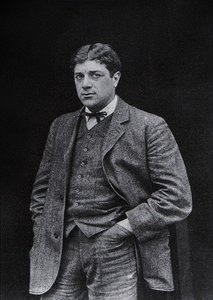
Biografie artist
Descoperă Georges Braque (1882-1963): Pionierul cubismului și maestru al fauvizmului! Explorează operele sale inovatoare, inclusiv „Case la L'Estaque” și impresionante collage pentru iubitorii de artă.
§ 3Comentariu
A Fragmented World: Georges Braque’s “The Mantelpiece”
Georges Braque's "The Mantelpiece," painted in 1925 during his pivotal period of Cubist exploration, isn’t merely a still life; it’s a carefully constructed puzzle of perception. Measuring a substantial 130 x 74 cm, the canvas explodes with a controlled chaos – a deliberate dismantling of traditional representation to reveal the underlying structure of objects and space. This work, housed within the Museo Nacional Centro de Arte Reina Sofía in Madrid, stands as a testament to Braque’s radical departure from the established norms of late nineteenth-century art, solidifying his role as one of the movement's founding fathers alongside Pablo Picasso.
At first glance, the scene appears familiar: a guitar dominates the composition, its form fractured and presented from multiple viewpoints simultaneously. Surrounding it are an assortment of everyday objects – apples gleaming with reflected light, oranges radiating warmth, bananas hinting at ripeness, bowls overflowing with their contents, and bottles adding verticality to the arrangement. However, these aren’t rendered as unified, cohesive forms; instead, they're broken down into geometric planes, overlapping and intersecting in a dynamic interplay of angles and perspectives. Braque masterfully employs a muted palette – ochres, browns, and greys – which further emphasizes the textural qualities of the materials depicted, inviting close inspection and encouraging the viewer to actively piece together the image.
The Language of Cubism
“The Mantelpiece” is deeply rooted in the principles of Synthetic Cubism, a phase that saw Braque moving away from the purely analytical deconstruction of his earlier work. Here, he introduces brighter colors and more recognizable objects, albeit still presented in a fragmented manner. The key to understanding this piece lies in recognizing Braque’s deliberate manipulation of perspective. He doesn't offer a single, fixed viewpoint but instead presents multiple simultaneous perspectives, as if the viewer were stepping through a three-dimensional space. This technique, combined with the use of geometric shapes – cubes, cones, and cylinders – creates a sense of visual tension and dynamism, pulling the eye across the canvas in a continuous, almost restless, exploration.
The influence of Juan Gris’s “Guitar with Inlays,” another significant Cubist work from 1925, is palpable. While both artists explored similar themes – musical instruments and domestic objects – Gris often employed a more structured and geometric approach, whereas Braque's composition feels slightly looser and more evocative. Both works, however, demonstrate the core tenets of Synthetic Cubism: an interest in exploring form and space through abstraction, and a rejection of traditional illusionistic representation.
Symbolic Resonance and Emotional Impact
Beyond its purely formal qualities, “The Mantelpiece” carries a subtle symbolic weight. The guitar, a recurring motif in Braque’s work, can be interpreted as representing creativity, passion, or even the act of artistic creation itself. The fruits – symbols of abundance and nourishment – suggest a connection to everyday life and domesticity. The arrangement, with its overlapping planes and fragmented forms, mirrors the complexities of modern experience—a world increasingly fractured by industrialization and social change.
Despite its intellectual rigor, “The Mantelpiece” isn’t an emotionally cold or detached work. The careful attention to texture, the warm tones, and the intriguing arrangement all contribute to a sense of visual pleasure and quiet contemplation. It invites us to slow down, to observe closely, and to engage with the image on a deeply intuitive level. It's a piece that rewards repeated viewing, revealing new nuances and connections with each encounter.
Bringing “The Mantelpiece” Home
AllPaintingsStore.com offers meticulously crafted, hand-painted reproductions of Georges Braque’s “The Mantelpiece,” allowing you to experience the power and beauty of this seminal Cubist masterpiece in your own space. Our artisans employ traditional oil painting techniques and utilize only the finest archival materials, ensuring that each reproduction faithfully captures the original's intricate details and vibrant colors. Whether you are an art enthusiast, a collector seeking to expand your collection, or an interior designer looking for a striking focal point, a AllPaintingsStore.com reproduction of “The Mantelpiece” is a timeless investment in artistic excellence. Explore our selection at https://AllPaintingsStore.com and bring the fragmented world of Georges Braque into your home.
Întrebări și răspunsuri
Care sunt tehnica și dimensiunile lucrării "The Mantelpiece" de Georges Braque?
Tehnica utilizată pentru "The Mantelpiece" de Georges Braque este Oil On Canvas, iar dimensiunile sale înregistrate sunt 130 x 74 cm.
Unde pot vedea o previzualizare pentru „The Mantelpiece”?
Pentru o previzualizare a unei reproduceri a operei "The Mantelpiece" de Georges Braque, accesați pagina de Previzualizare în spațiu a lucrării.
Din ce materiale este realizată „The Mantelpiece”?
"The Mantelpiece" este realizat în Oil On Canvas."


 Comută pe versiunea Print


 Pentru opere de artă sau reproduceri care depășesc 105 cm (aproximativ 41 de inch) pe oricare dintre laturi, cadrul va fi livrat demontat, sub formă de kit. Această metodă asigură o livrare sigură și previne deteriorarea în timpul transportului.


