

1948. Acrylic On Canvas.

§ 1Date catalog


Această lucrare este protejată de drepturile de autor
Lucrarea de artă afișată pe această pagină este protejată de legile privind drepturile de autor, ceea ce înseamnă că nu putem crea sau vinde în mod legal o reproducere identică. Această protecție este garantată prin acorduri internaționale, precum Convenția de la Berna și de legile naționale, inclusiv cele prevăzute de Legea dreptului de autor din S.U.A. – Titlul 17. Toate drepturile rezervate. Orice reproducere neautorizată este interzisă.
Ca alternativă respectuoasă și legală, oferim tablouri pictate manual, personalizate, inspirate de original. Artistii noștri experimentați și profesioniști studiază cu atenție stilul, starea de spirit și esența artistică a originalului pentru a crea o piesă nouă și unică, care evocă aceeași emoție – rămânând, în același timp, o creație originală în sine.
Această metodă respectă pe deplin reglementările privind drepturile de autor, deoarece nu implică copierea sau duplicarea operei protejate. În schimb, este o reinterpretare creativă – o pictură nouă, influențată de original, dar care nu este identică cu acesta.
 Citește mai mult
§ 2Abstract
Descriere obiect de colecție
Georges Braque’s ‘The Terrace’ captures a serene interior scene with chairs and a cat, showcasing the artist's cubist style from 1948. Explore this captivating artwork and bring its timeless beauty into your space.
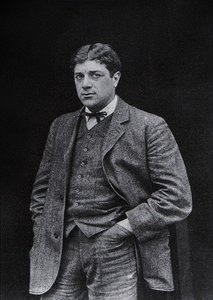
Biografie artist
Descoperă Georges Braque (1882-1963): Pionierul cubismului și maestru al fauvizmului! Explorează operele sale inovatoare, inclusiv „Case la L'Estaque” și impresionante collage pentru iubitorii de artă.
§ 3Comentariu
Georges Braque’s “The Terrace”: A Study in Cubist Still Life
Georges Braque's 1948 painting, "The Terrace," offers a deceptively simple yet profoundly complex exploration of form and space – hallmarks of the artist’s pivotal role in the development of Cubism. This intimate scene, depicting three chairs arranged within a domestic setting, is far more than just a representation of furniture; it's a meticulously constructed meditation on perception itself. The painting’s quiet elegance belies the revolutionary ideas Braque was pioneering at the time, solidifying his position as one of the key figures in dismantling traditional artistic conventions and paving the way for abstract art.
- Subject Matter: The composition centers around three distinct chairs, each rendered with a careful attention to detail that belies their status as mere objects.
- Style & Technique: “The Terrace” exemplifies Braque’s mature Cubist style, characterized by fragmented forms, multiple viewpoints presented simultaneously, and an emphasis on geometric shapes. The artist employs a muted palette of browns, ochres, and grays, typical of his period, contributing to the painting's somber yet refined atmosphere.
Historical Context: Braque’s Role in Cubism’s Evolution
Created nearly two decades after Braque’s initial collaboration with Pablo Picasso on the development of Cubism, “The Terrace” demonstrates a refinement and consolidation of the movement's principles. Following their shared exploration of fractured perspectives and multiple viewpoints – as seen in works like "Les Demoiselles d'Avignon" – Braque moved towards a more restrained and analytical approach. This painting reflects his desire to strip away unnecessary ornamentation, focusing instead on the essential structural elements of the scene. The influence of Paul Cézanne is palpable here; Braque’s use of planes and geometric forms echoes Cézanne’s exploration of space and volume, further grounding the work within a lineage of artistic innovation.
- Early 20th Century Paris: “The Terrace” was created during a period of immense artistic ferment in Paris, a city that served as the epicenter of modern art.
- Braque’s Independence: While collaborating with Picasso, Braque developed his own distinct style, often prioritizing intellectual rigor and formal experimentation over overt emotional expression.
Symbolism and Emotional Impact
Beyond its purely formal qualities, “The Terrace” possesses a subtle yet compelling emotional resonance. The solitary cat, positioned near the center of the composition, adds an element of quiet contemplation. Its presence suggests a sense of domestic tranquility, perhaps even loneliness – a theme frequently explored in Braque’s work. The vase in the background, rendered with meticulous detail, introduces a touch of classical elegance, hinting at a connection to Western artistic tradition. The overall effect is one of serene stillness, inviting the viewer to engage in a slow and deliberate observation of the scene.
- Color Palette: The subdued color palette contributes to the painting’s contemplative mood.
- Compositional Balance: The carefully arranged chairs create a sense of visual equilibrium, reinforcing the feeling of quiet contemplation.
A Hand-Painted Reproduction – Bringing Braque Home
AllPaintingsStore offers a meticulously crafted hand-painted reproduction of Georges Braque’s “The Terrace,” capturing the essence of this seminal work with unparalleled fidelity. Each reproduction is created by skilled artisans, painstakingly recreating Braque's technique and color palette using archival quality materials. This ensures that your artwork will retain its beauty and vibrancy for generations to come. Whether you are an art collector seeking to expand your collection or an interior designer looking for a statement piece, this reproduction offers a unique opportunity to experience the power and elegance of one of modern art’s most influential figures.
Întrebări și răspunsuri
În ce etapă a carierei lui Georges Braque se încadrează "The Terrace", având în vedere data sa de execuție?
"The Terrace", creat în 1948, aparține perioadei Early Cubism din cariera lui Georges Braque."
Ce vârstă avea Georges Braque când a fost creat "The Terrace"?
Când „The Terrace” a fost creat în 1948, Georges Braque – născut în 1882 – avea 66 ani.
Ce emoție transmite "The Terrace" de Georges Braque?
"The Terrace" de Georges Braque transmite un ton emoțional Reflective.


 Comută pe versiunea Print


 Pentru opere de artă sau reproduceri care depășesc 105 cm (aproximativ 41 de inch) pe oricare dintre laturi, cadrul va fi livrat demontat, sub formă de kit. Această metodă asigură o livrare sigură și previne deteriorarea în timpul transportului.


