


 Vezi în context
 Trimite
 Distribuie
 Detalii
 Ghidul

 Descarcă
 Produse similare
 Radiografie
 Diaporama
 Statistici
The Yellow Tablecloth

 Citește mai mult
Lucrarea de artă afișată pe această pagină este protejată de legile privind drepturile de autor, ceea ce înseamnă că nu putem crea sau vinde în mod legal o reproducere identică. Această protecție este garantată prin acorduri internaționale, precum Convenția de la Berna și de legile naționale, inclusiv cele prevăzute de Legea dreptului de autor din S.U.A. – Titlul 17. Toate drepturile rezervate. Orice reproducere neautorizată este interzisă.
Această metodă respectă pe deplin reglementările privind drepturile de autor, deoarece nu implică copierea sau duplicarea operei protejate. În schimb, este o reinterpretare creativă – o pictură nouă, influențată de original, dar care nu este identică cu acesta.
Giclée / Imprimare artistică
Printuri giclée sau pe canvas de calitate muzeală, cu proces de producție rapid și opțiuni flexibile de finisare. ( Comandă pictură realizată manual Treci la imagine digitală)




P118B lei10

P118H lei10

P118W lei10

P438Z lei10

P508JH lei12

P508YH lei12

P805H lei10

P805Z lei10

P919BZ lei10

P919G lei10

P919XJ lei10

P959ZH lei10

P968JZ lei12

W106C lei8

W218G lei10

W218JH lei8

W218Y lei10

W307PJ lei10

W316G lei10

W316PJ lei8

W316Y lei10

W398PJ lei8

W4111J lei10

W500HY lei15

W500JH lei15

W692G lei12

W849H lei8

W940BG lei15

W953PJ lei8




Alegeți dintre dimensiunile noastre prestabilite, care respectă proporțiile originale ale operei de artă.

Introduceți lățimea și înălțimea de care aveți nevoie, pentru a se potrivi ramei sau peretelui dumneavoastră. O printare poate fi doar tăiată, niciodată extinsă dincolo de dimensiunea imaginii originale, astfel încât o dimensiune cu o formă diferită va pierde o parte din imagine. Vă trimitem o simulare digitală pentru aprobare înainte de a imprima orice. Imaginea afișată pe această pagină nu prezintă tăierea reală — doar simularea arată acest lucru.
Livrare în întreaga lume () în 2 săptămâni, în loc de cele 4/5 săptămâni standard. (25 Octombrie)

Livrare expres gratuită la nivel mondial

Pânză de in premium

Asigurare completă pentru transport

Garanție de rambursare a taxelor vamale

Garanția fidelității culorilor

Politica de retur în 100 de zile (doar pentru defecte)

Garanție de rambursare 100%

Reducere pentru comenzi multiple
 Opțiunea cu sticlă este disponibilă doar pentru dimensiuni de sub 110 cm

The Yellow Tablecloth
Giclée / Imprimare artistică
Dimensiune reproducere
-


Preț total
lei 296
Georges Braque’s “The Yellow Tablecloth”: A Study in Simplicity and Cubist Revelation
Georges Braque's "The Yellow Tablecloth," painted around 1956, isn’t merely a still life; it’s a distilled essence of form, color, and the burgeoning revolutionary spirit of Cubism. This deceptively simple composition – an arrangement of ripe fruit against a vibrant yellow backdrop – belies a profound exploration of perception and representation, firmly rooted in Braque's pivotal role alongside Pablo Picasso in dismantling traditional artistic conventions. The painting’s power lies not in dramatic subject matter or elaborate detail, but in its carefully constructed geometry and the deliberate flattening of space, hallmarks of the Cubist movement that was reshaping the very language of art at the time. Notice how the table itself seems to dissolve into a series of interlocking planes, mirroring the fragmentation of objects as seen from multiple viewpoints – a core principle of Braque’s approach. The yellow cloth isn't just a background; it actively participates in the composition, creating a warm, almost luminous atmosphere that subtly alters our perception of the fruits within.The Language of Cubism and its Roots in Everyday Life
Braque’s exploration of geometric abstraction began with his early work alongside Picasso, particularly during their “Blue Period” and subsequent “Rose Period.” However, it was in the 1920s that he truly embraced the tenets of Cubism, developing a distinct style characterized by fractured forms, multiple perspectives, and an emphasis on the underlying structure of objects. "The Yellow Tablecloth" exemplifies this evolution. Unlike the more overtly analytical Cubism of Picasso, Braque’s approach is often described as “synthetic,” favoring a more muted palette and a greater integration of collage elements – though not present in this particular work, the influence is undeniable. The painting reflects a shift towards a more internalized exploration of form, moving away from direct imitation of reality and instead focusing on capturing the *essence* of an object through its constituent shapes and planes. The choice of everyday objects—apples, oranges, bananas – elevates the mundane to the level of artistic contemplation, mirroring a broader trend in modern art that sought to find beauty and significance in the ordinary.Color as a Defining Element: The Significance of Yellow
The dominant presence of yellow is not accidental; it’s a deliberate and carefully considered element within the composition. Yellow, historically associated with optimism, warmth, and even madness, carries a complex symbolic weight. In Braque's work, it acts as both a visual anchor and a subtle emotional cue. It creates a sense of intimacy and comfort, drawing the viewer into the scene while simultaneously suggesting an underlying tension or instability – perhaps reflecting the inherent ambiguity of Cubist representation. The intensity of the yellow also contrasts sharply with the muted tones of the fruit, further emphasizing their fragmented forms and highlighting Braque’s focus on shape over color. Interestingly, this particular use of yellow echoes elements found in earlier works by Braque, suggesting a consistent exploration of its expressive potential.A Legacy of Innovation: Braque's Enduring Influence
Georges Braque’s "The Yellow Tablecloth" stands as a testament to his groundbreaking contributions to modern art. It’s a deceptively simple painting that encapsulates the revolutionary spirit of Cubism and demonstrates Braque’s ability to transform ordinary subjects into profound explorations of form, space, and perception. His work paved the way for subsequent movements like Surrealism and Abstract Expressionism, leaving an indelible mark on the history of art. Reproductions of this piece offer a unique opportunity to experience firsthand the intellectual rigor and artistic vision of one of the 20th century’s most influential figures. Consider how the painting's clarity and geometric precision translate into interior design – its clean lines and bold color scheme can be incorporated into contemporary spaces to create a sense of sophisticated minimalism and understated elegance.Întrebări și răspunsuri
În ce tehnică este realizată lucrarea "The Yellow Tablecloth" de Georges Braque?
Georges Braque a utilizat tehnica Acrylic On Canvas pentru "The Yellow Tablecloth". Tehnica definește natura materială a lucrării originale.
Despre ce este despre "The Yellow Tablecloth"?
"The Yellow Tablecloth" de Georges Braque reprezintă: fruit, tablecloth, apples, oranges, bananas, yellow, braque, still life.
Pentru ce cameră este recomandată lucrarea "The Yellow Tablecloth" de Georges Braque?
"The Yellow Tablecloth" de Georges Braque este recomandată pentru o Living Room. Această sugestie se bazează pe subiectul, culorile și atmosfera lucrării.
Opere similare


Biografie artist
Early Life and Artistic Foundations
Georges Braque, născut în Argenteuil, Franța, în 1882, a pornit într-un drum profund împletit cu peisajul în evoluție al artei moderne. Creșterea sa într-o familie de pictori și zugravi, precum și decoratori a instillat nu doar o măiestrie tehnică în utilizarea materialelor, ci și o apreciere timpurie pentru formă și structură. Deși inițial urmând exemplul tatălui său, Braque’s instinct artistic natural l-a condus curând la o pregătire formală la École des Beaux-Arts din Le Havre, marcând începutul călătoriei sale către a deveni unul dintre cei mai influenți pictori ai secolului XX. Această fundație – un amestec de meșteșug practic și studiu academic – s-a dovedit crucială pe măsură ce ulterior a deconstrucit și a reimaginat convențiile artistice tradiționale.
Mutându-se în Paris în 1902, Braque a continuat studiile la Académie Humbert, imersându-se în mediul artistic vibrant al orașului. Aici a întâlnit artiști precum Marie Laurencin și Francis Picabia, întărind conexiuni care au modelat dezvoltarea sa timpurie. Primele sale lucrări au reflectat influențele predominante ale Impresionismului și Post-Impresionismului, dar o întâlnire decisivă cu culorile îndrăznețe și libertatea expresivă a Fauvismului în 1905 a aprins o nouă direcție în explorarea sa artistică.
The Embrace of Fauvism and the Dawn of Cubism
Adoptarea principiilor Fauvistice de către Braque – caracterizate prin culori intense, non-naturaliste și expresie emoțională – este exemplificată vivid în picturi precum The Patience. Această perioadă a văzut-l lucrând alături de artiști precum Henri Matisse și André Derain, experimentând cu palate vibrante și forme simplificate. Cu toate acestea, implicarea lui Braque cu Fauvismul nu a fost doar o imitație; el a infuzat-o cu o sensibilitate unică, temperând exuberanța necontrolată a mișcării cu o abordare mai restrânsă și analitică. Un punct de cotitură a sosit în 1907 cu expoziția retrospectivă a operelor lui Paul Cézanne. Accentul pus de Cézanne pe forme geometrice și perspective multiple a avut un impact profund asupra Braque, pregătind terenul pentru colaborarea sa revoluționară cu Pablo Picasso. Începând din 1908, acești doi titani ai artei au pornit împreună într-o perioadă intensă de schimburi intelectuale care au dat naștere Cubismului – un mișcare revoluționară care a sfidat concepțiile tradiționale despre reprezentare.
Împreună, Braque și Picasso au dezvoltat Cubismul analitic, descompunând obiectele în forme geometrice fragmentate și prezentându-le din mai multe perspective simultan. Lucrări precum Houses at L'Estaque demonstrează această fază timpurie, evidențiind o abatere radicală de la perspectiva convențională și un focus pe structura subiacentă a formelor. Paleta lor a devenit deliberat palidă, punând accent pe formă în detrimentul culorii, pentru a reprezenta totalitatea prezenței unui obiect, mai degrabă decât doar aspectul său.
Innovation Through Fragmentation and Collage
Colaborarea dintre Braque și Picasso a continuat să depășească limitele expresiei artistice, conducând la dezvoltarea Cubismului sintetic în jurul anului 1912. Această fază a introdus *papier collé* – incorporarea de materiale din lumea reală, cum ar fi ziare, hârtie tapetată și țesături, în picturi. Această inovație a contestat ierarhia tradițională dintre pictură și sculptură, amestecând liniile dintre artă și viață.
Utilizarea pionieristică de către Braque a *papier collé* (pasted paper) a marcat un punct de cotitură semnificativ în evoluția sa artistică. Prin integrarea fragmentelor de obiecte din lumea reală în compozițiile sale, el a perturbat spațiul iluzionist al picturii tradiționale și a introdus un nou nivel de materialitate și textură.
Later Years and Enduring Legacy
După război, stilul lui Braque s-a dezvoltat dincolo de limitele stricte ale Cubismului timpuriu, incorporând elemente ale compoziției clasice și o nouă interes pentru natură moartă. În timp ce a păstrat influențele geometrice care au definit lucrarea sa timpurie, el a dezvoltat o abordare mai nuanțată și contemplativă a picturii. Pânzele sale mai târziu sunt caracterizate de atmosfera lor senină și armonii subtile de culoare. Pe tot parcursul carierei sale, Braque s-a angajat să exploreze principiile fundamentale ale formei, spațiului și reprezentării. A continuat să experimenteze cu diferite materiale și tehnici, depășind limitele expresiei artistice până la moartea sa în 1963. Moștenirea sa este imensă, modelând cursul artei moderne și inspirând generații întregi de pictori, sculptori și artiști colagiști.
Influences and Notable Works
- Influenced By: Henri Matisse, André Derain, Paul Cézanne
- Key Works: Houses at L'Estaque, The Patience, Violin and Palette, Mandola
- Impact on Art History: Revolutionized 20th-century art through Cubism; challenged traditional notions of perspective and representation.
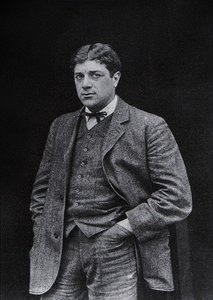
Georges Braque
1882 - 1963 , Franța
Informații rapide
- Artistic Movement Or Style: Cubism, Fauvism
- Artists Or Movements Influenced By This Artist:
- Pablo Picasso
- Arta modernă
- Artists Who Influenced This Artist:
- Henri Matisse
- André Derain
- Paul Cézanne
- Date Of Birth: 13 mai 1882
- Date Of Death: 31 aug 1963
- Full Name: Georges Braque
- Nationality: Francez
- Notable Artworks:
- Houses at L'Estaque
- The Patience
- Violin și Paletă
- Place Of Birth: Argenteuil, Franța
Articole conexe

Cubism Unveiled: How Picasso and Braque Redefined Reality Through Geometric Abstraction
Explore the revolutionary world of Cubism. Discover how masters Pablo Picasso and Georges Braque dismantled reality through geometric abstraction to redefine modern art history.

Cubism Unveiled: How Picasso and Braque Redefined Modern Art through Geometric Revolution
Explore the revolutionary world of Cubism. Discover how Pablo Picasso and Georges Braque dismantled perspective to redefine modern art through geometric innovation and analytical mastery. An essential guide for art students, collectors, and history enthusiasts.

Georges Braque: Pioneering Cubism & the Evolution of Modern Form
Explore the revolutionary art of Georges Braque, a pioneer of Cubism alongside Picasso. Discover his artistic evolution, key works, and lasting impact on modern art. A guide for discerning collectors.
Georges Braque: Cele Mai Iconice 25 De Opere – Artă Modernă pentru Decorul Tău
Descoperă cele mai importante 25 de opere ale lui Georges Braque, pionier al cubismului! Explorează istoria, tehnicile și semnificația fiecărei picturi. Reproduceri artă de calitate muzeală pentru decorul tău pe AllPaintingsStore.com.

Deconstructing Reality: A Comprehensive Exploration of Cubist Still Life
Explore the revolutionary world of Cubist Still Life with AllPaintingsStore. Discover Picasso & Braque's groundbreaking techniques, its philosophical roots, and lasting impact on modern art. Expert insights for collectors.


