

Acrylic On Canvas.

§ 1Date catalog

Această lucrare este protejată de drepturile de autor
Lucrarea de artă afișată pe această pagină este protejată de legile privind drepturile de autor, ceea ce înseamnă că nu putem crea sau vinde în mod legal o reproducere identică. Această protecție este garantată prin acorduri internaționale, precum Convenția de la Berna și de legile naționale, inclusiv cele prevăzute de Legea dreptului de autor din S.U.A. – Titlul 17. Toate drepturile rezervate. Orice reproducere neautorizată este interzisă.
Ca alternativă respectuoasă și legală, oferim tablouri pictate manual, personalizate, inspirate de original. Artistii noștri experimentați și profesioniști studiază cu atenție stilul, starea de spirit și esența artistică a originalului pentru a crea o piesă nouă și unică, care evocă aceeași emoție – rămânând, în același timp, o creație originală în sine.
Această metodă respectă pe deplin reglementările privind drepturile de autor, deoarece nu implică copierea sau duplicarea operei protejate. În schimb, este o reinterpretare creativă – o pictură nouă, influențată de original, dar care nu este identică cu acesta.
 Citește mai mult
§ 2Abstract
Descriere obiect de colecție
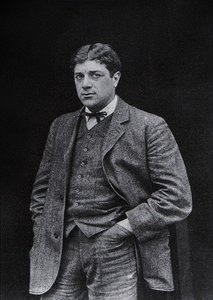
Biografie artist
Descoperă Georges Braque (1882-1963): Pionierul cubismului și maestru al fauvizmului! Explorează operele sale inovatoare, inclusiv „Case la L'Estaque” și impresionante collage pentru iubitorii de artă.
§ 3Comentariu
Georges Braque’s Vision of Rural Tranquility: An Exploration of Cubist Influence
Georges Braque’s “untitled (2719)” presents a deceptively simple scene—a village nestled amongst rolling hills and shadowed by a distant forest. Yet, beneath this tranquil exterior lies the profound intellectual engagement characteristic of Braque's artistic endeavors during his pivotal period alongside Pablo Picasso. This artwork exemplifies the core tenets of Cubism, demonstrating how Braque skillfully dismantled traditional perspective to convey spatial complexity and textural richness.
- Subject Matter: The painting captures a quintessential rural landscape—houses constructed from cardboard or paper—a deliberate choice that underscores Braque’s fascination with materiality and fragmentation. It's not merely depicting what is seen; it’s investigating how visual perception itself operates.
- Style & Technique: Braque employed a technique rooted in Cubism, specifically Analytical Cubism. This approach involved fracturing objects into geometric planes—primarily cubes—and presenting them simultaneously from multiple viewpoints. The yellowish tint of the buildings isn't accidental; it serves to heighten visual interest and contributes to the overall tonal palette.
- Historical Context: Created around 1908-1912, “untitled (2719)” emerged during a period of intense artistic experimentation following Impressionism. The influence of Cézanne’s sculptural approach is palpable, informing Braque's desire to represent form in three dimensions despite the limitations of two-dimensional representation. This was a reaction against the illusionistic conventions prevalent at the time, marking a decisive step toward abstraction.
- Symbolism & Emotional Impact: While seemingly devoid of overt narrative, the painting speaks volumes about Braque’s preoccupation with exploring fundamental questions regarding perception and representation. The muted colors—primarily yellows and browns—evoke feelings of serenity and contemplation, inviting viewers to consider the beauty inherent in everyday scenes.
The Influence of Cézanne: Sculptural Form Revisited
Braque’s artistic sensibilities were profoundly shaped by Paul Cézanne's groundbreaking explorations into capturing the essence of form rather than merely reproducing its appearance. Cézanne famously declared, “I do not paint what I see; I paint what I feel,” a sentiment that resonated deeply with Braque and fueled his determination to move beyond traditional illusionism.
- Cézanne’s Legacy: Cézanne's insistence on simplifying forms into geometric shapes—particularly cylinders, cones, and cubes—provided Braque with a crucial conceptual framework. This approach encouraged artists to consider the underlying structure of objects and landscapes, prioritizing solidity and volume over superficial detail.
- Braque’s Response: Braque embraced Cézanne's principles, applying them to his own canvases in ways that subtly yet powerfully differentiated him from Impressionists. He sought to convey a sense of spatial depth and sculptural presence—a characteristic absent from Impressionistic renderings—demonstrating the transformative potential of artistic innovation.
Collage: Expanding Artistic Boundaries
Alongside his painting explorations, Braque pioneered the technique of collage – incorporating non-traditional materials like newspaper, fabric scraps, and printed images into his artworks. This bold move further challenged established conventions and signaled a willingness to experiment with new visual languages.
- Material Exploration: Collage allowed Braque to juxtapose disparate textures and surfaces—creating surprising visual effects that disrupted conventional notions of composition. The inclusion of printed matter reflected the burgeoning influence of photography and mass media on artistic discourse.
- Conceptual Significance: More importantly, collage represented a conceptual breakthrough – demonstrating how artists could actively manipulate materials to convey ideas and emotions beyond mere representation. It was a deliberate rejection of academic painting’s focus on meticulous realism.
A Lasting Impression: Braque's Contribution to Modern Art
“untitled (2719)” stands as a testament to Georges Braque’s unwavering commitment to artistic experimentation and his pivotal role in shaping the trajectory of modern art. By synthesizing Cézanne’s sculptural vision with Cubist fragmentation and the innovative possibilities of collage, Braque created an artwork that transcends its apparent simplicity—inviting viewers to contemplate the fundamental questions surrounding perception, representation, and the very nature of visual experience.
Întrebări și răspunsuri
Cum este descrisă atmosfera din "untitled (2719)" de Georges Braque?
"untitled (2719)" de Georges Braque este descris prin atmosfera sa Serene. Această clasificare poate ajuta la integrarea lucrării într-un anumit decor.
În ce măsură subiectul operei „untitled (2719)” se regăsește în temele obișnuite ale lui Georges Braque?
Printre temele consacrate ale lui Georges Braque, deconstructing reality, geometric spatial vision, collaboration picasso legacy, exploring artistic boundaries, cubist formal innovation – „untitled (2719)” oferă o perspectivă proprie asupra village landscape, cardboard architecture, mountain silhouette, wooden structure, geometric forms, warm palette, cubist composition.
Pot vedea o imagine cu raze X a lucrării "untitled (2719)" de Georges Braque?
Pagina Raze X a operei "untitled (2719)" de Georges Braque este un vizualizator interactiv care vă permite să parcurgeți onze straturi optice ale imaginii lucrării, inclusiv o perspectivă de tip radiografie.


 Comută pe versiunea Print


 Pentru opere de artă sau reproduceri care depășesc 105 cm (aproximativ 41 de inch) pe oricare dintre laturi, cadrul va fi livrat demontat, sub formă de kit. Această metodă asigură o livrare sigură și previne deteriorarea în timpul transportului.


