

Acrylic On Canvas.

§ 1Catalogue data

Această lucrare este protejată de drepturile de autor
Lucrarea de artă afișată pe această pagină este protejată de legile privind drepturile de autor, ceea ce înseamnă că nu putem crea sau vinde în mod legal o reproducere identică. Această protecție este garantată prin acorduri internaționale, precum Convenția de la Berna și de legile naționale, inclusiv cele prevăzute de Legea dreptului de autor din S.U.A. – Titlul 17. Toate drepturile rezervate. Orice reproducere neautorizată este interzisă.
Ca alternativă respectuoasă și legală, oferim tablouri pictate manual, personalizate, inspirate de original. Artistii noștri experimentați și profesioniști studiază cu atenție stilul, starea de spirit și esența artistică a originalului pentru a crea o piesă nouă și unică, care evocă aceeași emoție – rămânând, în același timp, o creație originală în sine.
Această metodă respectă pe deplin reglementările privind drepturile de autor, deoarece nu implică copierea sau duplicarea operei protejate. În schimb, este o reinterpretare creativă – o pictură nouă, influențată de original, dar care nu este identică cu acesta.
 Citește mai mult
§ 2Abstract
Descriere obiect de colecție
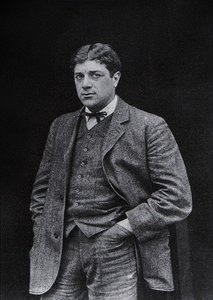
Biografie artist
Descoperă Georges Braque (1882-1963): Pionierul cubismului și maestru al fauvizmului! Explorează operele sale inovatoare, inclusiv „Case la L'Estaque” și impresionante collage pentru iubitorii de artă.
§ 3Commentary
Georges Braque’s Violin On A Table: Fragmented Reality and Musical Resonance
Georges Braque's "Violin On A Table," painted circa 1909-10, stands as a cornerstone of Cubist innovation—a visual manifesto that irrevocably altered the course of modern art alongside Pablo Picasso. More than just a depiction of an instrument and its surroundings; it embodies a profound exploration of perception itself, reflecting the burgeoning intellectual currents of the era and cementing Braque’s position as one of the movement's foremost architects. The painting’s deceptively simple subject matter—a violin resting upon a wooden tabletop alongside scattered books—serves as a springboard for a complex visual language that defies traditional representation.Deconstructing Form: Cubist Technique
At its core, Braque’s approach is rooted in the principles of Analytical Cubism. Rejecting illusionistic depth and embracing geometric abstraction, he dismantled objects into fragmented planes of color and texture—a technique meticulously executed with oil paint on canvas. The violin itself isn't rendered as a unified form but rather dissected into interlocking cubes and parallelograms, mirroring the fractured viewpoints inherent in human experience. These planes overlap and intersect, creating an unsettling yet mesmerizing interplay of light and shadow that challenges viewers to actively reconstruct the image mentally. This deliberate fragmentation wasn’t merely stylistic; it mirrored the philosophical debates surrounding epistemology at the time—the questioning of how we know what we see. As noted in “Georges Braque: Pioneering Cubism & the Evolution of Modern Form,” Braque's method aimed to capture "the essence of an object rather than its appearance."A Musical Echo: Symbolism and Context
The inclusion of books adds another layer of significance to the composition. These aren’t merely props; they represent knowledge, contemplation, and perhaps even a yearning for order amidst chaos—themes prevalent in Cubist thought. The violin itself carries considerable symbolic weight, traditionally associated with musical virtuosity and refined sensibilities. Considering Braque's fascination with music as highlighted in “Violin and Sheet Music: \"Petit Oiseau\"", the instrument becomes more than just an object; it embodies a spirit of artistic exploration and intellectual curiosity. Furthermore, the tabletop—a neutral surface—acts as a grounding element, juxtaposed against the fragmented planes of color to emphasize the instability of visual perception.Emotional Impact: Fragmented Beauty
Despite its intellectual rigor, “Violin On A Table” possesses an undeniable aesthetic beauty. The muted palette—primarily browns and ochres—creates a sense of quiet contemplation, inviting viewers into the artist’s inner world. However, beneath this surface tranquility lies a palpable tension—a reflection of the anxieties and uncertainties characteristic of the period. Braque's masterful manipulation of form and color compels us to confront the limitations of representation, prompting us to consider alternative ways of perceiving reality. The painting lingers in the mind long after viewing, leaving an impression of fragmented beauty that speaks to the enduring power of art to provoke thought and emotion.- Explore reproductions of “Violin On A Table” at AllPaintingsStore.com.
- Discover similar artworks by Georges Braque: Still-Life With A Violin, Glass And Pipe On Table, Violin and Clarinet on a Table.
Întrebări și răspunsuri
Cum echilibrează "Violin On A Table" lumina și întunericul?
"Violin On A Table" are balanced în întregime, iar luminozitatea sa este Soft Shadow.
Ce emoție transmite opera de Cubist Exploration „Violin On A Table”?
"Violin On A Table" emană o Reflective notă emoțională, specifică mișcării Cubist Exploration.
Cât de multă lumină par să reflecte culorile din "Violin On A Table"?
"Violin On A Table" de Georges Braque are o luminanță de Soft Shadow. Luminația descrie câtă lumină par să reflecte culorile.


 Comută pe versiunea Print


 Pentru opere de artă sau reproduceri care depășesc 105 cm (aproximativ 41 de inch) pe oricare dintre laturi, cadrul va fi livrat demontat, sub formă de kit. Această metodă asigură o livrare sigură și previne deteriorarea în timpul transportului.


