


 Previzualizare
 Trimite prin felicitare
 Distribuie
 Detalii despre lucrare
 Ghid
Ghid

 Descarcă imaginea
 Produse similare
 Radiografie
 Galerie foto
 Statistici
Wallace Bournes


 Vezi mai mult
Lucrarea de artă afișată pe această pagină este protejată de legile privind drepturile de autor, ceea ce înseamnă că nu putem crea sau vinde în mod legal o reproducere identică. Această protecție este garantată prin acorduri internaționale, precum Convenția de la Berna și de legile naționale, inclusiv cele prevăzute de Legea dreptului de autor din S.U.A. – Titlul 17. Toate drepturile rezervate. Orice reproducere neautorizată este interzisă.
Această metodă respectă pe deplin reglementările privind drepturile de autor, deoarece nu implică copierea sau duplicarea operei protejate. În schimb, este o reinterpretare creativă – o pictură nouă, influențată de original, dar care nu este identică cu acesta.
Giclée / Imprimare artistică
Printuri giclée sau pe canvas de calitate muzeală, cu proces de producție rapid și opțiuni flexibile de finisare. ( Comandă pictură realizată manual Comută pe Imagine Digitală)




P118B lei10

P118H lei10

P118W lei10

P438Z lei10

P508JH lei12

P508YH lei12

P805H lei10

P805Z lei10

P919BZ lei10

P919G lei10

P919XJ lei10

P959ZH lei10

P968JZ lei12

W106C lei8

W218G lei10

W218JH lei8

W218Y lei10

W307PJ lei10

W316G lei10

W316PJ lei8

W316Y lei10

W398PJ lei8

W4111J lei10

W500HY lei15

W500JH lei15

W692G lei12

W849H lei8

W940BG lei15

W953PJ lei8




Alegeți dintre dimensiunile noastre prestabilite, care respectă proporțiile originale ale operei de artă.

Introduceți lățimea și înălțimea necesare pentru a se potrivi ramei sau peretelui dumneavoastră. O printare poate fi doar tăiată, niciodată extinsă dincolo de dimensiunea imaginii originale, astfel încât o dimensiune cu o formă diferită va pierde o parte din imagine. Vă trimitem o simulare digitală pentru aprobare înainte de a imprima orice. Imaginea afișată pe această pagină nu prezintă tăierea reală — doar simularea arată acest lucru.
Livrare în întreaga lume () în 2 săptămâni, în loc de cele 4/5 săptămâni standard. (26 Octombrie)

Livrare expres gratuită la nivel mondial

Pânză de in de înaltă calitate

Asigurare completă pentru transport

Garanție de rambursare a taxelor vamale

Garanția fidelității culorilor

Politica de retur în 100 de zile (doar pentru defecte de fabricație)

Garanție de rambursare 100%

Ofertă pentru comenzi multiple
 Opțiunea cu sticlă este disponibilă doar pentru dimensiuni de sub 110 cm

Wallace Bournes
Giclée / Imprimare artistică
Dimensiune reproducere
-


Preț total calculat
lei 296
Gerhard Richter și Explorarea Subconștientului
În inima artei contemporane se află Gerhard Richter, un artist german al cărui opera transcende limitele convenționale. Născut în 1932 în Dresda, Richter a fost profund marcat de evenimentele tumultoase ale istoriei germane din secolul XX – de la război și ocupație până la împărțirea țării. Această experiență formativă s-a impregnat în stilul său unic, caracterizat de o ambivalență subtilă, o explorare a incertitudinii și o fascinație pentru procesul creativ mai mult decât pentru produsul final. Lucrările sale nu sunt simple reprezentări vizuale, ci invitații la contemplare, oglinzi ale emoțiilor și gândurilor adânc ascunse.
Richter a dezvoltat o tehnică complexă, combinând elemente de fotorealism cu abstracție. De-a lungul carierei sale, a experimentat cu diverse medii – pictură pe pânză, fotografii, chiar și sticlă – demonstrând o dorință constantă de a depăși limitele specifice fiecărui domeniu artistic. Lucrările sale nu sunt rezultatul unei singure idei, ci mai degrabă o acumulare de observații, emoții și procese mentale, transformate în forme vizuale puternice.
Wallace Bournes: Un Tablou Abstract Expressionist
„Wallace Bournes” este un exemplu strălucitor al abordării lui Richter. Tabloul nu prezintă o scenă identificabilă sau un subiect clar, ci se bazează pe o paletă vibrantă de culori și o textură complexă, creând o atmosferă emoțională puternică. Culoarea domină – nuanțe de galben intens, albastru profund, roșu aprins și verde smarald se amestecă și se suprapun, generând un dialog vizual care invită privitorul să se pieradă în profunzimea imaginii.
Elementele structurale ale tabloului sunt marcate de linii negre distincte, care nu doar definesc forma, ci și creează o tensiune vizuală. Aceste linii nu sunt decorative, ci funcționează ca elemente de bază, perturbând echilibrul și adăugând un sentiment de dinamism și complexitate. Richter folosește o tehnică stratificată – aplicarea unor straturi subțiri de culoare urmate de impasto grosier – pentru a crea o profunzime palpabilă și o textură bogată, care invită atingerea vizuală.
Tehnica și Textura: Un Dialog între Artist și Material
Procesul artistic al lui Richter este la fel de important ca rezultatul final. El nu urmărește să reproducă perfect realitatea, ci să exploreze relația dintre percepție și reprezentare. Lucrările sale sunt adesea descrise drept „fotorealism filtrat prin abstracție”, o tehnică care implică aplicarea unor straturi subțiri de culoare urmate de impasto grosier, creând un efect de profunzime și textură. Richter nu controlează complet materialul, ci permite ca acesta să interacționeze cu el însuși, rezultând o serie de accidente și surprize care îmbogățesc compoziția.
Liniile negre, omniprezente în tablourile lui Richter, sunt un element cheie al procesului său creativ. El le aplică cu o pensulă groasă, creând linii puternice și definite care contrastează cu culorile vibrante. Aceste linii nu doar definesc forma, ci și creează o tensiune vizuală, sugerând o structură subiacentă și adăugând un sentiment de dinamism și complexitate.
Contextul Istoric și Moștenirea Artistică
Gerhard Richter este considerat unul dintre cei mai influenți artiști contemporani din Germania. Opera sa reflectă o explorare continuă a întrebărilor fundamentale despre artă, percepție și realitate. În anii '60, Richter a fost un exponent important al mișcării Abstract Expressionism, care a pus accent pe spontaneitate, emoție și procesul creativ mai mult decât pe reprezentarea realistă. Lucrările sale sunt influențate de pictorii americani precum Jackson Pollock și Mark Rothko, dar au o semnătură unică, caracterizată de ambivalență, incertitudine și o fascinație pentru procesul creativ.
„Wallace Bournes” este un exemplu excelent al acestei influențe. Tabloul nu oferă răspunsuri simple, ci invită privitorul să se întrebe despre sensul și semnificația artei. Este o invitație la contemplare, o oportunitate de a experimenta cu emoțiile și gândurile proprii.
Relevanța și Impactul: O Invitatie la Reflectie
„Wallace Bournes” rămâne un tablou puternic și provocator, care continuă să fascineze și să inspire. Este o lucrare care transcende limitele specifice ale genului său, oferind o experiență vizuală profundă și emoțională. Pentru cei care apreciază arta abstractă sau caută o piesă unică și memorabilă pentru colecția lor, „Wallace Bournes” este o alegere excelentă.
Pentru mai multe informații despre Gerhard Richter și opera sa, vizitați Tate Modern sau explorați colecția AllPaintingsStore.com de reproduceri picturale realizate manual.
Întrebări și răspunsuri
Ce tehnică a fost utilizată pentru "Wallace Bournes" de Gerhard Richter?
Gerhard Richter a utilizat tehnica Acrilic pe pânză pentru "Wallace Bournes". Tehnica definește natura materială a lucrării originale.
Ce paletă și ce emoție transmite "Wallace Bournes"?
În "Wallace Bournes", culorile Închis la culoare acompaniază o senzație Contemplativă.
Sub ce alte nume sau pseudonime este cunoscut Gerhard Richter?
Alte nume înregistrate pentru Gerhard Richter, creatorul operei „Wallace Bournes”, includ German: Gerhard Richter.
Opere similare


Biografie artist
A Life Shaped by Division: The Early Years and Artistic Formation of Gerhard Richter
Gerhard Richter’s story is inextricably linked to the fractured history of 20th-century Germany. Born in Dresden in 1932, his childhood unfolded under the shadow of a rising National Socialist regime. This formative period, marked by displacement – his family moved several times during the war years – instilled within him a profound sense of uncertainty and a questioning spirit that would permeate his artistic practice for decades to come. The idyllic landscapes of his early upbringing in Reichenau and Waltersdorf were soon disrupted by conflict, leaving an indelible mark on his psyche. His father, though not a fervent supporter of the Nazi party, navigated the complexities of life under authoritarian rule as a schoolteacher, while his mother fostered a love for literature and music within the family. This duality – a pragmatic acceptance of circumstance alongside a yearning for cultural expression – became a defining characteristic of Richter’s own artistic approach. He began formal training at the Dresden Academy of Fine Arts in 1951, initially immersed in the tradition of socialist realism demanded by the East German state. However, even within this constrained environment, a desire for artistic freedom simmered beneath the surface, fueled by a growing dissatisfaction with ideological constraints and a longing to explore more expansive creative possibilities.Escaping Constraints: Düsseldorf and the Exploration of Style
The year 1961 proved pivotal. Richter, along with his wife Marianne Eufinger, made the daring decision to flee East Germany, seeking refuge in the burgeoning art scene of Düsseldorf. This move marked a radical shift in his artistic trajectory. The West German landscape offered a liberating environment where experimentation and innovation were not only permitted but actively encouraged. In Düsseldorf, he encountered a vibrant community of artists grappling with questions of identity, representation, and the legacy of history. He quickly began to dismantle the rigid stylistic conventions of socialist realism, embarking on a period of intense exploration that would define his early mature work. This era saw him oscillate between seemingly disparate approaches – from photorealism, meticulously recreating photographic images with astonishing precision, to abstract compositions characterized by bold colors and dynamic brushstrokes. His collaboration with Sigmar Polke led to the coining of the term ‘Capitalist Realism,’ a deliberately ambiguous label that reflected their shared skepticism towards established artistic norms and their appropriation of imagery from advertising and mass media. This period wasn’t about finding *a* style, but rather questioning the very notion of stylistic coherence, embracing contradiction as a fundamental principle.Blurring Boundaries: Photorealism, Abstraction, and the Power of Chance
Richter's artistic vocabulary expanded throughout the 1960s and beyond, encompassing a remarkable range of techniques and themes. His photorealistic paintings, often based on family photographs or newspaper images, are not merely copies of reality but rather investigations into the nature of perception and representation. By meticulously rendering these images with an almost clinical detachment, he forces viewers to confront the inherent ambiguity of photographic truth. Simultaneously, Richter delved deeper into abstraction, creating canvases layered with vibrant colors and gestural marks. These abstract works are often created using a unique technique involving squeegees – tools typically used for cleaning windows – which he drags across the surface of the canvas, manipulating the paint in unpredictable ways. This embrace of chance and spontaneity is central to his artistic philosophy, allowing him to relinquish control and invite unexpected outcomes. His ‘Color Charts,’ systematic arrangements of colored squares, further challenge traditional notions of artistic expression, questioning the very definition of painting itself. These works are not about individual aesthetic preferences but rather about exploring the inherent properties of color and its organizational possibilities.A Legacy of Questioning: Influence and Critical Reception
Gerhard Richter’s work has consistently provoked debate and critical analysis since his emergence onto the international art scene. Initially, his photorealistic paintings were met with skepticism by some critics who questioned their artistic merit, arguing that they were merely technical exercises devoid of genuine emotional depth. However, as Richter continued to develop his practice, exploring abstraction and pushing the boundaries of representation, he gained widespread recognition for his intellectual rigor and his profound engagement with contemporary issues. His ‘Capitalist Realism’ paintings, in particular, became a focal point of discussion, prompting reflection on the relationship between art, commerce, and society. Richter's influence extends far beyond his own artistic output, shaping the work of countless artists who have followed in his footsteps. He is revered for his willingness to challenge conventions, his relentless experimentation with technique, and his unwavering commitment to artistic exploration. His legacy lies not just in the creation of visually arresting artworks but also in his ability to provoke critical thought and inspire dialogue about the nature of art itself.Key Works & Historical Context
- Early Photorealist Paintings (1960s-70s): These works, often based on family photographs or news clippings, demonstrate Richter’s meticulous attention to detail and his exploration of the complexities of memory and representation. Examples include “Gilbert” and “S. with Child.”
- Capitalist Realism (1972-1980): This series of paintings, created in collaboration with Sigmar Polke, reflects their shared critique of consumer culture and the commodification of art. The works are characterized by a deliberate blurring of boundaries between representation and abstraction.
- Color Charts (1967-present): These systematic arrangements of colored squares challenge traditional notions of artistic expression and explore the inherent properties of color.
- Birkenau (2014): A powerful cycle of abstract paintings created in response to the Holocaust, reflecting on themes of memory, trauma, and the impossibility of fully representing such profound historical events.
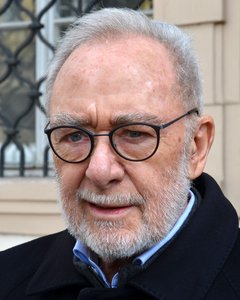
Gerhard Richter
1932 - , Germania
Detalii rapide
- Artistic Movement Or Style:
- Fotorealism
- Abstract
- Realism
- Artists Or Movements Influenced By This Artist: ['Polke']
- Artists Who Influenced This Artist:
- Picasso
- Arp
- Date Of Birth: 9 Februarie 1932
- Full Name: Gerhard Richter
- Nationality: German
- Notable Artworks:
- Birkenau
- Gilbert
- S. with Child
- Place Of Birth: Dresda, Germania
Articole similare

Top 10 Capodopere ale Expresionismului Abstract: Artă, Artiști și Decorațiuni de Lux | AllPaintingsStore.ro
Descoperă Top 10 capodopere ale Expresionismului Abstract! Explorează poveștile lui Pollock, Rothko și De Kooning. Reproduceri de artă de lux & inspirație decor pe AllPaintingsStore.ro. Găsește pictura perfectă pentru spațiul tău!

Wassily Kandinsky: Cele Mai Iconice 25 De Opere – Artă Abstractă pentru Decor Rafinat
Descoperă cele mai emblematice 25 de opere ale lui Wassily Kandinsky, pionierul artei abstracte! Explorează culorile vibrante, compozițiile unice și istoria fascinantă din spatele fiecărei picturi. Reproduceri de calitate muzeală pe AllPaintingsStore.com – inspiră-ți decorul cu artă modernă!

Navigând Expresionismul Abstract: Un Ghid al Curentelor Contemporane pentru Rezonanță Emoțională în Selecția Artistică
Ghid complet despre Expresionismul Abstract! Descoperă artiștii cheie, curentele majore și sfaturi esențiale pentru colecționari. Investește inteligent în artă cu AllPaintingsStore.
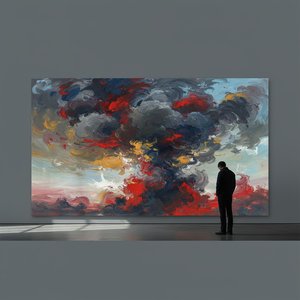
Beyond Representation: Exploring the Emotional Landscape of Abstract Expressionism
Explore the profound emotional world of Abstract Expressionism with AllPaintingsStore. Discover key artists like Pollock & Rothko, learn about collecting, and find museum-quality reproductions to inspire your space.

Gerhard Richter: A Retrospective on Abstraction, Memory & the Photographic Source
Explore the profound world of Gerhard Richter's abstract paintings. Discover his techniques, influences, and lasting impact on contemporary art – a guide for discerning collectors.


