


 Previzualizare
 Trimite prin felicitare
 Distribuie
 Detalii despre lucrare
 Ghid
Ghid

 Descarcă imaginea
 Produse similare
 Radiografie
 Galerie foto
 Q&A
Q&A Statistici
untitled (5500)

 Vezi mai mult
Giclée / Imprimare artistică
Printuri giclée sau pe canvas de calitate muzeală, cu proces de producție rapid și opțiuni flexibile de finisare. ( Comandă pictură realizată manual Comută pe Imagine Digitală)




P118B lei10

P118H lei10

P118W lei10

P438Z lei10

P508JH lei12

P508YH lei12

P805H lei10

P805Z lei10

P919BZ lei10

P919G lei10

P919XJ lei10

P959ZH lei10

P968JZ lei12

W106C lei8

W218G lei10

W218JH lei8

W218Y lei10

W307PJ lei10

W316G lei10

W316PJ lei8

W316Y lei10

W398PJ lei8

W4111J lei10

W500HY lei15

W500JH lei15

W692G lei12

W849H lei8

W940BG lei15

W953PJ lei8




Alegeți dintre dimensiunile noastre prestabilite, care respectă proporțiile originale ale operei de artă.

Introduceți lățimea și înălțimea necesare pentru a se potrivi ramei sau peretelui dumneavoastră. O printare poate fi doar tăiată, niciodată extinsă dincolo de dimensiunea imaginii originale, astfel încât o dimensiune cu o formă diferită va pierde o parte din imagine. Vă trimitem o simulare digitală pentru aprobare înainte de a imprima orice. Imaginea afișată pe această pagină nu prezintă tăierea reală — doar simularea arată acest lucru.
Livrare în întreaga lume () în 2 săptămâni, în loc de cele 4/5 săptămâni standard. (30 Octombrie)

Livrare expres gratuită la nivel mondial

Pânză de in de înaltă calitate

Asigurare completă pentru transport

Garanție de rambursare a taxelor vamale

Garanția fidelității culorilor

Politica de retur în 100 de zile (doar pentru defecte de fabricație)

Garanție de rambursare 100%

Ofertă pentru comenzi multiple
 Opțiunea cu sticlă este disponibilă doar pentru dimensiuni de sub 110 cm

untitled (5500)
Giclée / Imprimare artistică
Dimensiune reproducere
-


Preț total calculat
lei 300
A Window into Tudor Intrigue: Hans Holbein’s “Untitled (5500)”
Hans Holbein the Younger's "Untitled (5500)" is not merely a group portrait; it’s a meticulously crafted tableau of power, faith, and subtle symbolism—a frozen moment within the opulent world of 16th-century England. This remarkable painting, depicting Jesus surrounded by his disciples at a shared meal, transcends simple representation to offer a profound glimpse into the political and religious currents of its time. The sheer scale of the composition – an unknown size but undoubtedly commanding – immediately draws the viewer in, inviting them to become part of this intimate scene. Holbein’s mastery is evident not just in his astonishingly realistic depiction of each figure, but also in the way he uses light and shadow to create a palpable sense of depth and atmosphere, reminiscent of the masterful works of Jan van Eyck.
The painting unfolds around a richly appointed dining table, laden with bowls, knives, and various instruments of learning – a deliberate arrangement that speaks volumes about the intellectual climate of the Tudor court. Three bowls are strategically placed, hinting at shared sustenance and fellowship, while the knife suggests both practicality and perhaps, a subtle undercurrent of tension. The figures themselves are rendered with an almost unsettling level of detail; each face is etched with individual character, reflecting not just likeness but also personality and status. The seated disciples, ranging from the youthful to the seasoned, embody a diverse group united by their devotion to Jesus. Notably, Jesus himself is positioned at the head of the table, asserting his central role within this community.
Renaissance Realism and Psychological Depth
Holbein’s artistic genius lies in his ability to capture not just outward appearances but also the inner lives of his subjects. This painting exemplifies his signature style – a blend of meticulous observation and psychological insight. He was renowned for his portraits, particularly those commissioned by Henry VIII and Anne Boleyn, and this work demonstrates his skill at conveying character through subtle gestures, expressions, and clothing choices. The use of oil paints allowed him to achieve an unprecedented level of detail and luminosity, capturing the textures of fabrics, the sheen of metal, and the nuances of skin tones with remarkable accuracy.
The technical brilliance is further enhanced by Holbein’s innovative approach to perspective and composition. He masterfully employs atmospheric perspective – creating a sense of distance through variations in color and detail – to draw the viewer's eye into the scene. The arrangement of figures around the table, with Jesus at its center, establishes a clear hierarchy while simultaneously fostering a feeling of intimacy and shared experience. It’s a carefully orchestrated visual narrative that invites contemplation.
Symbolism and Historical Context
Beyond its aesthetic qualities, “Untitled (5500)” is rich in symbolic meaning. The inclusion of scientific instruments – globes, sundials, and quadrants – reflects the burgeoning interest in astronomy and navigation during the Renaissance, a period marked by both exploration and intellectual curiosity. The reference to Rome through the Cosmati pavement pattern, likely incorporated as a gift for Anne Boleyn, subtly alludes to the political tensions between England and the Papal States. The lute with its broken string is a potent symbol of discord, perhaps representing the religious divisions that were fracturing Europe at the time.
The presence of Martin Luther’s hymnbook, open on facing pages referencing Law and Grace, adds another layer of complexity to the painting's interpretation. It suggests a dialogue between faith and reason, tradition and reform – themes that were central to the Protestant Reformation. Even the seemingly simple act of sharing a meal becomes imbued with significance, representing not just sustenance but also fellowship, community, and spiritual nourishment.
A Timeless Masterpiece: Reproduction Possibilities
AllPaintingsStore offers meticulously crafted hand-painted reproductions of Hans Holbein’s “Untitled (5500),” allowing you to bring this extraordinary artwork into your home or office. Our skilled artisans replicate Holbein's intricate details, vibrant colors, and atmospheric depth with unparalleled precision. Whether you are an art collector, a design enthusiast, or simply someone who appreciates the beauty of Renaissance art, our reproduction provides a stunning and authentic representation of this iconic masterpiece. Explore the available sizes and canvas options to find the perfect way to experience the power and allure of “Untitled (5500).”
Întrebări și răspunsuri
"untitled (5500)" de Hans Holbein Cel Tânăr este o operă de artă luminoasă sau întunecată?
Luminozitatea percepută a operei "untitled (5500)" de Hans Holbein Cel Tânăr este balanced. Aceasta poate fi adaptată la lumina spațiului în care va fi expusă.
La ce artist este atribuită opera „untitled (5500)”?
„untitled (5500)” a fost creat de Hans Holbein Cel Tânăr. Informațiile de pe această pagină descriu opera originală a lui Hans Holbein Cel Tânăr.
Unde pot fi achiziționate copii pictate manual ale operei "untitled (5500)" de Hans Holbein Cel Tânăr?
Puteți comanda o reproducere pictată manual a operei "untitled (5500)" de Hans Holbein Cel Tânăr direct pe pagina sa de Reproducere pictată în ulei: o reproducere pictată manual în ulei pe pânză de in, realizată la comandă.
Opere similare


Biografie artist
O via sculptată în detalii: Lumea lui Hans Holbein cel Tânăr
Născut în jurul anului 1497, în vibrantul centru artistic Augsburg, Germania, Hans Holbein cel Tânăr a devenit o figură definitorie a Renașterii Nordice — un maestru al portretului al cărui opus rămâne viu prin realismul său uluitor și profunzimea psihologică. Creșterea sa într-o familie dotată cu talent artistic a pus bazele geniului său excepțional; tatăl său, Hans Holbein cel Bătrân, era un pictor și gravor respectat, care i-a transmis tânărului Hans o abordare meticuloasă a observației și tehnicii. Această formare timpurie nu a presupus doar stăpânirea pincetelor sau amestecarea pigmentelor — ci a însemnat învățarea artei de a *vedea*, de a captura nu doar asemănarea fizică, ci însăși esența subiectului. Primele explorări artistice ale lui Holbein au avut loc în atelierul tatălui său, unde și-a perfecționat abilității înainte de a porni într-o călătorie care l-a purtat prin Elveția și, în cele din urmă, în inima curții englezeze.De la Basel la Curtea Tudor: O stea ascendentă
După finalizarea uceniciei, Holbein a călătorit pe întreg Elveția, consacrându-se ca artist independent cu o reputație tot mai larg răspândită. A petrecut câțiva ani formativi în Basel, creând nu doar portrete de impact, ci și lucrări religioase și designuri complexe de xilografie — cel mai notabil fiind seria tulburătoare care înfățișează *Dansul Morții*. Aceste piese timpurii dezvăluie o măiestrie în devenire a compoziției și o fascinație tot mai profundă pentru capturarea complexității emoțiilor umane. În anul 1526, destinul a intervenit, îndreptându-l pe Holbein spre Anglia, un eveniment care i-a schimbat iremediabil traiectoria artistică. A sosit purtând o scrisoare de introducere din partea lui Erasmus, faimosul erudit umanist, care i-a deschis porțile către cercurile influente ale societății englezeze. Talentul său a captivat rapid figuri proeminente precum Sir Thomas More, care a devenit atât patron, cât și subiect pentru câteva portrete fascinante. Această conexiune s-a dovedit a fi crucială, ducând la numirea lui Holbein ca pictor de curte al regelui Henric al VIII-lea în 1536 — o funcție pe care a deținut-o, cu unele întreruperi, până la moartea sa prematură în 1543.Arta percepției: Stil și capodopete
Stilul artistic al lui Holbein este caracterizat printr-un angajament extraordinar față de realism, realizat prin atenția minuțioasă acordată detaliilor în redarea texturilor, a materialelor și a nuanțelor subtile ale trăsăturilor feței. El nu doar *picta* portrete; el le construia metodic, strat cu strat, capturând nu doar aspectul fizic, ci și personalitatea și viața interioară a celor pictați. Compozițiile sale inovatoare au sporit și mai mult impactul lucrărilor sale, utilizând adesea obiecte simbolice sau fundaluri pentru a transmite semnificații profunde. Ambasadorii (1533) stă ca o mărturie a acestei abordări — un dublu portret complex și bogat în simbolism, care demonstrează atât strălucirea tehnică, cât și profunzimea intelectuală a lui Holbein. Craniul anamorfic subtil încorporat în pictură servește drept un *memento mori* crud, amintind privitorilor de inevitabilitatea morții. Numeroasele sale portrete ale lui Henric al VIII-lea au stabilit o imagine durabilă a puterii Tudor, în timp ce reprezentarea lui Erasmus din Rotterdam surprinde gravitatea intelectuală profundă a eruditului. Alte opere remarcabile includ uimitorul *Portret al lui Nikolaus Kratzer* (1lag28), o capodoperă a realismului și a detaliului științific.Moștenire și influență: O impresie durabilă
Călătoria artistică a lui Holbein a fost modelată de o confluvență de influențe, îmbinând precizia tradițiilor artistice germane cu principiile compoziționale ale Renașterii italiene. El a admirat opera lui Albrecht Dürer și a altor maeștri germani, studiind în același timp arta italiană în timpul călătoriilor sale, absorbind tehnici și integrându-le în propriul său stil unic. Moștenirea sa este profundă; portretele lui Holbein au stabilit un nou standard pentru realism și perspectivă psihologică în pictura de portret, influențând generații întregi de artiști care au urmat. Reprezentările sale ale unor figuri cheie din perioada Tudor oferă perspective inestimabile asupra vieților și personalităților celor care au modelat istoria Angliei. El nu s-a limitat doar la a înregistra aparițiile — el a capturat momente în timp, păstrându-le pentru posteritate. Opera sa servește ca o mărturie puternică a puterii durabile a artei de a documenta, interpreta și lumina trecutul.O ultimă pensulă: Semnificația istorică
Hans Holbein cel Tânăr a murit în Londra în 1543, lăsând în urmă o creație care continuă să fascineze publicul după secole. Portretele sale sunt mai mult decât simple imagini frumoase; ele sunt documente istorice, oferind priviri asupra intrigilor politice, tulburărilor religioase și schimbărilor culturale ale erei Tudor.- Reprezentările sale ale lui Henric al VIII-lea au devenit simboluri iconice ale puterii regale.
- Pictura sa de portret oferă o fereastră către viețile unor humaniști proeminenți, precum Erasmus și More.
- Utilizarea sa inovatoare a simbolismului adaugă straturi de semnificație lucrărilor sale, invitând privitorii să contemple teme profunde.
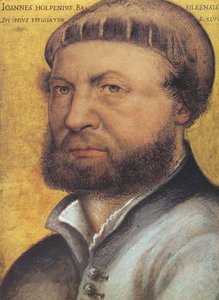
Hans Holbein Cel Tânăr
1497 - 1543 , Germania
Detalii rapide
- Artistic Movement Or Style: Renaissance Kunst
- Artists Or Movements Influenced By This Artist: ['Spätere Porträtkunst']
- Artists Who Influenced This Artist: ['Albrecht Dürer']
- Date Of Birth: c. 1497
- Date Of Death: October or November 1543
- Full Name: Hans Holbein der Jüngere
- Nationality: Germanisch-Schwäbisch
- Notable Artworks:
- Die Botschafter
- Porträt Heinrich VIII.
- Porträt Erasmus
- Place Of Birth: Augsburg, Germania
Articole similare

Gastronomia Estetică: Colecții de Artă Curate și Percepția Experiențelor Culinare Michelin
Descoperă cum colecțiile de artă curate strategic transformă experiențele culinare Michelin și definesc percepția oaspeților. Consultanță expertă pentru hoteluri & restaurante de lux.

Visual Gastronomy: Curating Art Experiences Across Dining Zones – A Tasting Menu Approach to Bar, Lounge & Restaurant Design
Elevate your dining space with art! Discover how strategic curation & bespoke commissions transform bars, lounges & restaurants into immersive experiences. Expert insights for hotel designers & commercial projects.

Paleta și Farfuria: Psihologia Designului Vizual în Gastronomie – Impactul asupra Percepției și Apetitului
Descoperă impactul psihologiei designului vizual asupra experienței gastronomice! Ghid expert pentru hotelieri și designeri interiori, cu studii de caz inspiraționale și tendințe actuale. Optimizează percepția gustului prin aranjare artistică și culori potrivite.

Cultivating Ambiance: Selecting Art Reproductions for the Dining Room – A Historical & Aesthetic Guide
Elevate your dining room with expertly curated art reproductions! Explore historical context, aesthetic considerations & modern applications for a captivating space. Discover the perfect artwork to inspire conversation and enhance every meal.

Hans Holbein the Younger: A Renaissance Portraitist's Mastery of Realism & Psychological Insight
Explore the life & art of Hans Holbein the Younger, a Renaissance master renowned for his strikingly realistic portraits and psychological insight. Discover iconic works like 'The Ambassadors' and delve into his lasting legacy.


