

1927. Acrylic On Canvas.

§ 1Date catalog


§ 2Abstract
Descriere obiect de colecție
Explore Henri Matisse’s ‘The Ballet Dancer,’ a vibrant Fauvist masterpiece! Admire bold colors & expressive brushstrokes depicting a captivating ballet scene. A must-see for art enthusiasts!
 Vezi mai mult
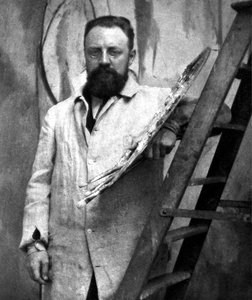
Biografie artist
Inovație Prin Limitare</h2> Pe măsură ce sănătatea în declin i-a limitat capacitatea lui Matisse de a picta în modul său convențional, s-a îmbarcat într-un nou capitol extraordinar în călătoria sa artistică—crearea de colaje din hârtie
§ 3Comentariu
A Symphony of Color: Henri Matisse’s ‘The Ballet Dancer’
Henri Matisse’s “The Ballet Dancer,” painted in 1927, stands as a cornerstone of Fauvist art—a movement that irrevocably altered the course of twentieth-century painting. More than just a depiction of a ballet dancer poised on a sofa, this artwork embodies Matisse's unwavering belief in color as expressive language and his masterful manipulation of pigment to convey emotion.
- Subject Matter: The scene captures a woman seated gracefully on a couch, seemingly awaiting the arrival of her companion. Her posture exudes poise and serenity, subtly hinting at the performance she anticipates. Alongside her rests an apple and a banana – seemingly simple objects imbued with symbolic significance.
- Style & Technique: Matisse’s Fauvist style is instantly recognizable through its audacious disregard for traditional perspective and tonal gradation. Instead of striving for realism, he prioritizes color above all else, applying vibrant hues—primarily greens and blues—directly onto the canvas without blending or underpainting. Thick brushstrokes create a textured surface that pulsates with energy and vitality.
- Historical Context: Created during the height of Matisse’s artistic experimentation, “The Ballet Dancer” reflects the broader cultural landscape of the 1920s—a period marked by optimism and fascination with modernism. The Fauvist movement emerged as a reaction against Impressionism's focus on capturing fleeting moments of light and atmosphere, asserting instead that color could communicate feelings and ideas independently.
The deliberate choice of green and blue isn’t merely aesthetic; it speaks to Matisse’s profound understanding of psychology. These colors evoke tranquility and harmony—mirroring the dancer's composure and suggesting a connection to nature. The inclusion of the apple and banana adds another layer of interpretation. Apples, traditionally associated with innocence and beauty, contrast with the banana – representing exoticism and perhaps hinting at the performer’s journey or aspiration.
“The Ballet Dancer” transcends its subject matter to become an emblem of Matisse's artistic vision—a testament to his conviction that color could unlock profound emotional resonance. It continues to inspire artists and collectors alike, offering a glimpse into the heart of Fauvist innovation and demonstrating the enduring power of visual art to communicate beauty and feeling.
Întrebări și răspunsuri
Cât de armonioase sunt culorile din "The Ballet Dancer" de Henri Matisse?
Culorile din "The Ballet Dancer" de Henri Matisse prezintă o armonie Discordant Palette. Armonia descrie modul în care culorile interacționează între ele.
În ce an și în cadrul cărui curent artistic a fost creată „The Ballet Dancer”?
„The Ballet Dancer” a fost creat în 1927, făcând parte din mișcarea Post-Impressionism.
Ce emoție transmite "The Ballet Dancer" de Henri Matisse?
Starea de spirit surprinsă în "The Ballet Dancer" de Henri Matisse este Elegant, iar tonul său emoțional este Romantic.


 Comută pe versiunea Print


 Pentru opere de artă sau reproduceri care depășesc 105 cm (aproximativ 41 de inch) pe oricare dintre laturi, cadrul va fi livrat demontat, sub formă de kit. Această metodă asigură o livrare sigură și previne deteriorarea în timpul transportului.


