


 Vezi în context
 Trimite
 Distribuie
 Detalii
 Guide
Guide

 Descarcă
 Produse similare
 Radiografie
 Diaporama
 Statistici
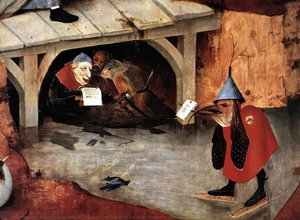
The Temptation of St. Anthony (detail)


 Citește mai mult
Achiziționați o imagine digitală de înaltă rezoluție, îmbunătățită, mult superioară previzualizării online.
Fiecare fișier este pregătit cu meticulozitate de specialiștii noștri interni, utilizând instrumente avansate și retușare manuală expertă. Ne asigurăm că fiecare imagine beneficiază de o claritate excepțională, o acuratețe precisă a culorilor și detalii fine.
Fișierul final este livrat prin e-mail în termen de 72 de ore, optimizat pentru utilizare imediată în medii profesionale, editoriale și de imprimare. Aceasta este aceeași calitate în care au încredere studiouri de design, edituri și galerii de top.
Imagine Digitală
Descărcați un fișier la rezoluție înaltă pentru afișare personală, imprimare și proiecte creative. ( Comută pe versiunea Print Comandă pictură realizată manual)
Inclus în fiecare comandă de imagini digitale
Livrare digitală de expertiză, garantată
Când alegeți AllPaintingsStore.com, nu primiți doar o simplă imagine – primiți o operă de artă digitală îmbunătățită profesional, creată cu precizie și susținută de o garanție de satisfacție. Iată tot ceea ce primești odată cu comanda ta, în mod automat:

Livrare rapidă prin e-mail
Fișierul imaginii digitale la rezoluție înaltă vă va fi trimis prin e-mail în termen de 72 de ore de la finalizarea comenzii – gata pentru utilizare imediată.

Fișier digital optimizat prin IA
Opera ta de artă este optimizată profesional prin intermediul unor instrumente AI avansate și al editării manuale, asigurând un nivel maxim de detalii, claritate și acuratețe a culorilor.

Retransmitere gratuită pe viață
Ai șters sau ai pierdut din greșeală fișierul? Nu îți face griji – ți-l vom retrimite oricând, gratuit.

Fără taxe de import – Întotdeauna
Bucură-te instant de noua ta operă de artă, fără taxe vamale, taxe de import sau costuri de livrare – descărcările digitale sunt întotdeauna fără taxe.

Garanția fidelității culorilor
Asigurăm o reflectare cât mai fidelă a culorilor originale în imaginea ta digitală, prin utilizarea unor instrumente profesionale și a proceselor de gestionare a culorii.

Garanție de satisfacție de 100 de zile
Dacă nu sunteți mulțumit de imaginea digitală achiziționată, o vom revizui sau vă vom returna 100% în termen de 100 de zile – fără nicio întrebare.

Garanție de returnare 100% a banilor
Nu ești mulțumit? Primești rambursarea integrală în termen de 100 de zile de la primirea fișierului digital – fără nicio întrebare.

Reduceri pentru comenzi în volum
Cumpără 3 imagini, economisește 10% - Cumpără 5, economisește 15% - Cumpără 10+, economisește 20%. Ideal pentru proiecte creative, galerii și agenții.
The Enigmatic Struggle: A Deep Dive into Hieronymus Bosch’s “The Temptation of St. Anthony”
Hieronymus Bosch's "The Temptation of St. Anthony," created around 1516, isn’t merely a depiction of a biblical scene; it’s an immersive descent into the darkest corners of human desire and spiritual torment. This oil on panel painting, a cornerstone of Northern Renaissance art, pulsates with unsettling energy and a profoundly layered symbolism that continues to fascinate scholars and viewers alike. Bosch, born Jheronimus van Aken in ’s-Hertogenbosch, Netherlands, operated within a period of intense religious fervor yet simultaneously grappled with anxieties about societal decay – a tension vividly reflected in his art. Unlike the idealized figures often found in contemporary works, St. Anthony here is not a serene ascetic but a man consumed by struggle, his face etched with distress and vulnerability. The painting’s power lies not just in its visual arresting quality, but in its ability to evoke a primal recognition of our own internal battles.
Bosch's distinctive style—characterized by meticulous detail, fantastical creatures, and a disconcerting blend of the sacred and profane—is immediately apparent. The scene unfolds within a bizarre landscape: a desolate, almost lunar terrain punctuated by strange machines, grotesque animals, and an unsettling array of human-like figures. These aren’t simply decorative elements; they are meticulously crafted symbols representing various temptations – greed, lust, vanity, and the pursuit of worldly pleasures. Bosch's technique is remarkably precise, employing a layering of oil paint that creates an incredible sense of depth and texture. The use of color is equally deliberate, with earthy tones dominating alongside flashes of vibrant, almost hallucinatory hues, further amplifying the painting’s unsettling atmosphere.
Decoding the Symbolism: A Labyrinth of Meaning
“The Temptation of St. Anthony” is a veritable encyclopedia of symbolism, inviting endless interpretation. At the heart of the composition stands St. Anthony, identifiable by his habit and staff – attributes that immediately connect him to the biblical figure. However, he’s not alone; he's relentlessly pursued by a menagerie of demons and bizarre creatures. The most prominent are the birds and fish, representing fleeting pleasures and worldly distractions, while the monstrous figures embody specific sins. Note the elaborate machines—a testament to human ingenuity twisted into instruments of temptation. The presence of a boat in the upper portion of the painting is particularly intriguing; it’s often interpreted as symbolizing the journey through life, fraught with challenges and trials that test one's faith.
Interestingly, Bosch’s work draws parallels to earlier depictions of St. Anthony’s temptation, such as Schongauer’s engraving (1470-75), which showcases a similar scene brimming with movement and energy. However, Bosch elevates the narrative beyond mere illustration, imbuing it with a profound psychological depth. The painting isn't simply about resisting temptation; it’s about confronting the very nature of desire itself – its seductive power and potential to corrupt the soul.
Historical Context & Artistic Legacy
Created during Bosch’s prolific period (roughly 1470-1516), “The Temptation of St. Anthony” reflects the anxieties of a society grappling with religious uncertainty and moral decay. Bosch's work, alongside that of other Early Netherlandish painters, was widely circulated throughout Europe, including Spain, Austria, and the Netherlands, where it inspired countless copies and interpretations. The painting’s enduring appeal lies in its ability to tap into universal themes – faith versus doubt, virtue versus vice, the struggle between inner peace and worldly desires. Bosch's unique vision—a blend of religious allegory, fantastical imagery, and psychological insight—established him as a singular figure in art history, influencing generations of artists who followed.
Bringing Bosch’s Vision Home: High-Quality Reproductions
At AllPaintingsStore.com, we are dedicated to preserving the brilliance of masterpieces like “The Temptation of St. Anthony.” Our skilled artisans meticulously recreate each detail—from the intricate textures of the landscape to the subtle expressions on St. Anthony’s face—using traditional oil painting techniques and archival-quality materials. We understand that owning a reproduction is more than just acquiring an image; it's about bringing a piece of art history into your space, allowing you to contemplate its profound symbolism and appreciate Bosch’s unparalleled artistic vision. Explore our collection of handmade oil paintings reproductions today and discover the beauty and depth of this extraordinary work.
Opere similare




Biografie artist
A Netherlandish Enigma: The Life and Art of Hieronymus Bosch
Born around 1450 in the vibrant, bustling town of ’s-Hertogenbosch in the Netherlands—then part of Brabant—Hieronymus Bosch, originally Jheronimus van Aken, remains one of art history’s most compelling and mysterious figures. His world was steeped in late medieval religious fervor, folklore, and a growing sense of societal unease, all of which would profoundly shape his uniquely unsettling artistic vision. Coming from a family with a long tradition of painting—his grandfather, Jan van Aken, and father, Anthonius van Aken, were both artists—Bosch likely received his earliest training within the family workshop, absorbing the techniques and conventions of Netherlandish painting. However, even in his formative years, he began to diverge from established norms, hinting at the extraordinary imagination that would define his career. Biographical details are frustratingly scarce; records are fragmented, leaving much open to speculation and interpretation, adding to the aura of mystique surrounding both the man and his work. He married Aleyt Goyaerts van den Meerveen sometime before 1481, a union that provided him with some financial security through her family’s holdings, but little else is known about their personal life.Fantastical Visions and Symbolic Depths
Bosch's artistic style is instantly recognizable—a captivating blend of meticulous detail and wildly imaginative imagery. He primarily worked with oil on oak panels, demonstrating a masterful command of the medium, achieving luminous colors and intricate textures. While his early works show influences from traditional Netherlandish painting, particularly in their realism and attention to detail, he quickly moved beyond mere imitation, developing a profoundly original vision. His paintings are not simply representations of reality; they are allegorical landscapes populated by bizarre creatures, hybrid beings, and unsettling scenes that seem plucked from dreams—or nightmares. Religious themes form the core of much of his work, but these are rarely straightforward depictions of biblical stories. Instead, Bosch uses symbolism to explore complex moral and theological concepts, often focusing on the dangers of sin, the fragility of earthly pleasures, and the inevitability of divine judgment. His creatures—grotesque demons, fantastical animals, and strangely human figures—are not merely decorative elements; they are embodiments of vice, temptation, and spiritual corruption. The blending of the sacred and the profane, the beautiful and the grotesque, creates a uniquely unsettling effect that continues to captivate viewers centuries later.Masterpieces of Moral Allegory
Among Bosch’s most celebrated achievements is The Garden of Earthly Delights (c. 1490-1510), a triptych that remains one of the most enigmatic and debated works in art history. When opened, it presents a panoramic vision of paradise, earthly life, and hell—a complex allegorical representation of humanity’s fall from grace. The left panel depicts the Garden of Eden, teeming with fantastical creatures and lush vegetation; the central panel portrays a world consumed by sensual pleasure and unrestrained desire; and the right panel offers a terrifying glimpse into the torments of hell. The Triptych of the Last Judgement (c. 1480-1490) is another powerful example of his skill in portraying both heavenly bliss and infernal torment, while The Ascent of the Blessed (c. 1480-1490) demonstrates his ability to create ethereal and dreamlike scenes. Even smaller works like Epiphany (c. 1495) showcase his innovative use of oil on wood and complex symbolism, revealing a mind constantly grappling with profound questions about faith, morality, and the human condition.Influences and Artistic Development
Identifying Bosch’s direct influences is a challenging task, given the originality of his vision. Scholars suggest possible connections to medieval folklore, religious texts—particularly those emphasizing apocalyptic themes—and the prevailing anxieties of the time, including fears of heresy and social upheaval. However, it's clear that he synthesized these elements into something entirely new and uniquely his own. His early works show a clear debt to the conventions of Netherlandish painting, particularly in their realism and attention to detail. Yet, as he matured, Bosch began to experiment with new techniques and compositional strategies, developing a style characterized by its meticulous detail, vibrant colors, and unsettling imagery. He was also influenced by the work of other artists, including Jan van Eyck and Rogier van der Weyden, but ultimately forged his own distinctive path. The influence of the *Grotesque* tradition is evident in many of his works, a style that emphasized the bizarre and fantastical, often with a satirical or critical edge.Legacy and Enduring Influence
Bosch’s work has had a profound and lasting impact on art history. He is considered one of the pioneers of Surrealism, inspiring generations of artists with his dreamlike imagery and exploration of the subconscious. His paintings continue to fascinate and provoke debate, solidifying his place as a master of Netherlandish painting and a visionary artist whose influence extends far beyond his own time. The unsettling beauty of his creations—the grotesque creatures, the bizarre landscapes, the moral allegories—remains deeply resonant today, inviting viewers to contemplate the complexities of human nature and the eternal struggle between good and evil. His paintings offer valuable insights into the religious, social, and psychological climate of the late 15th and early 16th centuries, challenging conventional norms and paving the way for new forms of artistic expression. He died in 1516, leaving behind a body of work that continues to haunt and inspire, ensuring his enduring legacy as one of art history’s most singular and unforgettable voices.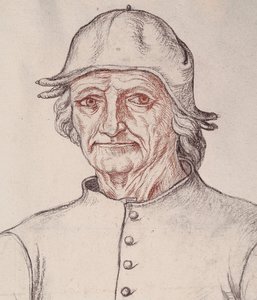
Hieronymus Bosch
1450 - 1516 , Olanda
Informații esențiale
- Artistic Movement Or Style: Surrealism, Simbolism
- Artists Or Movements Influenced By This Artist: ['Pieter Bruegel cel Bătrân']
- Date Of Birth: c. 1450
- Date Of Death: 1516
- Full Name: Hieronymus Bosch
- Nationality: Olandez
- Notable Artworks:
- Gardenul Placerilor Pamantesti
- Judecata de Sus
- Ascensiunea Sfintilor
- Epifania
- Place Of Birth: Den Bosch, Olanda

