


 Previzualizare
 Trimite prin felicitare
 Distribuie
 Detalii despre lucrare
 Ghid
Ghid

 Descarcă imaginea
 Produse similare
 Radiografie
 Galerie foto
 Întrebări și răspunsuri
 Statistici
A Man from Behind


 Vezi mai mult
Giclée / Imprimare artistică
Printuri giclée sau pe canvas de calitate muzeală, cu proces de producție rapid și opțiuni flexibile de finisare. ( Comandă pictură realizată manual Comută pe Imagine Digitală)




































Alegeți dintre dimensiunile noastre prestabilite, care respectă proporțiile originale ale operei de artă.

Introduceți lățimea și înălțimea necesare pentru a se potrivi ramei sau peretelui dumneavoastră. O printare poate fi doar tăiată, niciodată extinsă dincolo de dimensiunea imaginii originale, astfel încât o dimensiune cu o formă diferită va pierde o parte din imagine. Vă trimitem o simulare digitală pentru aprobare înainte de a imprima orice. Imaginea afișată pe această pagină nu prezintă tăierea reală — doar simularea arată acest lucru.
Livrare în întreaga lume () în 2 săptămâni, în loc de cele 4/5 săptămâni standard. (7 Noiembrie)

Livrare expres gratuită la nivel mondial

Pânză de in de înaltă calitate

Asigurare completă pentru transport

Garanție de rambursare a taxelor vamale

Garanția fidelității culorilor

Politica de retur în 100 de zile (doar pentru defecte de fabricație)

Garanție de rambursare 100%

Ofertă pentru comenzi multiple
 Opțiunea cu sticlă este disponibilă doar pentru dimensiuni de sub 110 cm

A Man from Behind
Giclée / Imprimare artistică
Dimensiune reproducere
-


Preț total calculat
lei 310
A Glimpse into Venetian Renaissance Intimacy: Jacopo Tintoretto's "A Man from Behind"
This striking black and white drawing, “A Man from Behind,” offers a rare and intimate glimpse into the world of 16th-century Venice through the masterful hand of Jacopo Tintoretto. Dated 1555 and part of the esteemed Royal Collection Trust, this work transcends a simple portrait; it's a study in gesture, form, and the subtle power of suggestion.
Style & Technique: The Foundations of Venetian Drama
Tintoretto (1518-1594), a pivotal figure in the Venetian School, was renowned for his dramatic compositions and innovative use of light and perspective – characteristics that define this drawing. While primarily known for his large-scale paintings, Tintoretto’s drawings reveal the meticulous planning and artistic exploration behind his monumental works. This piece exemplifies his characteristic dynamism; the man's raised hands, poised as if reaching or reacting to something unseen, create a palpable sense of movement and anticipation. The use of charcoal or pen and ink (the exact medium isn't definitively documented) allows for expressive linework that captures both the formality of his attire – the crisp lines defining his suit and tie – and the underlying tension in his posture.
Historical Context & Possible Interpretations
Created during the High Renaissance, a period marked by artistic flourishing and intellectual exploration, “A Man from Behind” reflects the era’s fascination with humanism and psychological depth. The subject's attire suggests a man of some standing – perhaps a merchant, nobleman, or even an artist himself. The fact that he is depicted from behind adds to the mystery; we are denied his face, forcing us to focus on his actions and posture. This compositional choice invites speculation: Is he reaching for assistance? Is he about to engage in a clandestine act? Or is it simply a study of human form and gesture?
Symbolism & Emotional Impact
The anonymity afforded by the subject’s obscured face allows viewers to project their own interpretations onto the scene. The raised hands, while seemingly simple, carry significant weight. They can be interpreted as gestures of supplication, defense, or even anticipation – creating a sense of vulnerability and intrigue. Tintoretto's masterful use of line and shadow creates a dramatic interplay of light and dark, enhancing the emotional intensity of the drawing. It evokes a feeling of quiet suspense, inviting contemplation on the unseen narrative unfolding just beyond our view.
A Timeless Study in Human Expression
“A Man from Behind” is more than just a sketch; it's a testament to Tintoretto’s artistic genius and his ability to capture the essence of human emotion through seemingly simple means. This reproduction offers an opportunity to bring a piece of Venetian Renaissance history into your home or office, sparking conversation and inspiring contemplation for years to come.
Întrebări și răspunsuri
Sub ce alte nume sau pseudonime este cunoscut Tintoretto?
Tintoretto este cunoscut și sub numele de Jacopo Tintoretto, Jacopo Comin.
Ce origine națională stă la baza Mannerism-ului din "A Man from Behind"?
"A Man from Behind" face legătura între mișcarea Mannerism și Italia, prin locul de naștere al creatorului său.
Unde pot descărca imaginea pentru "A Man from Behind" de Tintoretto?
"A Man from Behind" de Tintoretto poate fi descărcat de pe pagina dedicată lucrării, Descărcare, sub formă de descărcare imagine digitală de înaltă rezoluție.
Opere similare


Biografie artist
A Venetian Master of Drama and Light
Jacopo Tintoretto, born Jacopo Robusti in Venice around 1518, remains one of the most compelling and enigmatic figures of the High Renaissance and early Baroque periods. His very nickname, “Tintoretto” – little dyer – speaks to his family’s trade, yet it belies the immense artistry that would distinguish him from all others. Unlike many artists who benefited from structured apprenticeships, Tintoretto's path was largely self-directed, fueled by an insatiable curiosity and a relentless drive for innovation. While accounts suggest a brief and unsuccessful stint under Titian, the acknowledged master of Venetian colorism, it seems the experience proved more contentious than formative. Titian’s alleged dismissal of the young Jacopo – whether due to jealousy or artistic disagreement – spurred Tintoretto toward an independent course, one characterized by audacious experimentation and a uniquely dynamic style. He immersed himself in anatomical study, reportedly through dissection, and honed his skills by meticulously copying classical sculpture and the works of other masters. This dedication laid the foundation for a career that would redefine Venetian painting.Forging a Distinctive Style: *Il Furioso*
Tintoretto’s artistic development was marked by an almost feverish energy, earning him another evocative nickname: *Il Furioso* – “the Furious One.” This moniker wasn't merely descriptive of his working pace but also captured the intensity and emotional charge that permeated his canvases. His early works already hinted at a departure from traditional Venetian conventions. While acknowledging Titian’s influence in color, Tintoretto gravitated towards Michelangelo’s powerful figures and dramatic compositions. He synthesized these influences into something entirely new: a style characterized by elongated forms, swirling draperies, and an innovative use of perspective that often created a sense of dizzying depth and movement. He abandoned the meticulous finish favored by his contemporaries, opting instead for a rapid, almost sketch-like brushstroke that conveyed immediacy and raw emotion. This technique, combined with his masterful manipulation of light and shadow – *chiaroscuro* – allowed him to create scenes of unparalleled drama and psychological intensity. He wasn’t simply depicting events; he was conveying their emotional core. His compositions were often dynamic and asymmetrical, defying the balanced arrangements typical of earlier Renaissance art.Monumental Achievements: San Rocco and Beyond
Tintoretto's prodigious output spanned decades, encompassing religious narratives, historical allegories, and portraits. However, his most significant achievement lies in the cycle of paintings he created for the Scuola Grande di San Rocco, a Venetian confraternity dedicated to Saint Roch. Over a period of more than fifty years, Tintoretto adorned the Scuola’s halls with over sixty canvases, transforming it into a breathtaking visual testament to faith and human experience. Works like “The Last Supper,” completed late in his life, demonstrate his continued experimentation with perspective and composition. Departing from traditional depictions, Tintoretto placed the scene in a dramatically lit, architecturally unstable space, emphasizing the emotional turmoil of Christ’s final meal with his disciples. Other notable works include “The Miracle of St Mark Freeing the Slave,” a powerful display of dynamic composition and foreshortening, and numerous paintings for Venetian churches and palaces that showcase his mastery of scale and narrative storytelling. These monumental projects cemented Tintoretto's reputation as one of Venice’s most important artists.Influences and Artistic Connections
Tintoretto’s artistic journey was shaped by a complex interplay of influences. While deeply indebted to Titian for his understanding of color, he also drew inspiration from the dynamism of Michelangelo, evident in the powerful musculature and dramatic gestures of his figures. The influence of classical sculpture is palpable in the idealized forms and carefully rendered draperies that characterize many of his works. Furthermore, Tintoretto’s studio was a hub of artistic exchange, attracting students and collaborators such as Paolo Veronese and Domenico Robusti (Tintoretto's son), who continued to develop and expand upon his innovative style. The rivalry with Titian, fueled by professional jealousy and differing aesthetic philosophies, undoubtedly spurred Tintoretto toward greater independence and experimentation. His work reflects a synthesis of these diverse influences, resulting in a uniquely Venetian style that pushed the boundaries of artistic expression.Legacy and Historical Significance
Jacopo Tintoretto died in Venice in 1594, leaving behind a vast and influential body of work. He bridged the gap between the High Renaissance and the Baroque period, anticipating many of the stylistic innovations that would define the latter. His dramatic compositions, expressive brushwork, and innovative use of light and shadow profoundly influenced artists such as Caravaggio, Rembrandt, and Delacroix. He wasn’t merely a painter; he was a visual storyteller who understood how to harness the power of art to evoke emotion and inspire awe. As one of the three great Venetian painters of the 16th century – alongside Titian and Paolo Veronese – Tintoretto played a crucial role in shaping the artistic landscape of Venice during its golden age. His work reflects not only the religious fervor and political tensions of his time but also a uniquely personal vision that continues to resonate with audiences today, solidifying his place as one of history’s most important and captivating artists. His legacy is a testament to the enduring power of artistic innovation and the transformative potential of human creativity.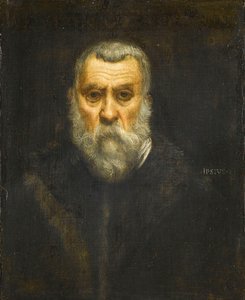
Tintoretto
1518 - 1594 , Italia
Detalii rapide
- Artistic Movement Or Style: Renaștere, Mannerism
- Artists Or Movements Influenced By This Artist:
- Caravaggio
- Baroc
- Artists Who Influenced This Artist:
- Titian
- Michelangelo
- Date Of Birth: 1518
- Date Of Death: 1594
- Full Name: Jacopo Comin zis Tintoretto
- Nationality: Italian
- Notable Artworks:
- Miracolo S. Marco
- Ultima Cina
- Assunzione Vergine
- Place Of Birth: Venetia, Italia
Articole similare

Top 10 Capodopere Alb-Negru: Frumusețe Atemporală în Artă | AllPaintingsStore.ro
Descoperă top 10 picturi celebre dominate de alb, de la Monet la Kandinsky! Explorează istoria artei, tehnicile artistice și frumusețea atemporală a capodoperelor clasice. Reproduceri de calitate muzeală pe AllPaintingsStore.com – inspiră-ți decorul!

Jacopo Tintoretto: Cele Mai Remarcabile 25 de Capodopere – Artă Clasică pentru Decorul Tău
Descoperă cele mai frumoase 25 de picturi ale lui Jacopo Tintoretto! Explorează capodopere renascentiste venețiene, scene biblice dramatice și stilul unic al artistului. Reproduceri artă de calitate muzeală pentru decorul tău pe AllPaintingsStore.com.

Top 10 Tablouri Celebre Dominante de Negru: Artă, Istorie și Decor Rafinat
Descoperă Top 10 tablouri celebre dominate de negru! Explorează istoria, simbolismul și tehnicile artistice ale unor opere iconice de Rembrandt, Goya și alți maeștri. Reproduceri de artă de calitate muzeală pe AllPaintingsStore.com – inspiră-ți decorul!

Shadow & Soul: Why Black & White Photography Remains the Ultimate Power Move in Modern Art
Discover why black & white photography remains a powerful force in contemporary art. Explore the impact of light, shadow, and texture through a visual journey of monochrome mastery and learn how to elevate your space with timeless grayscale aesthetics.
Monochrome Visions: Exploring the Aesthetic & Historical Significance of Black & White Photography
Explore the rich history & artistic power of black and white photography. From early techniques to iconic masters like Ansel Adams, discover why monochrome continues to captivate art lovers today. Expert insights for collectors.


