


 Previzualizare
 Trimite prin felicitare
 Distribuie
 Detalii despre lucrare
 Ghid
Ghid

 Descarcă imaginea
 Produse similare
 Radiografie
 Galerie foto
 Întrebări și răspunsuri
 Statistici
Telemachus And Eucharis


 Vezi mai mult
Obțineți un fișier gata de imprimare care depășește cu mult calitatea previzualizării web. Fiecare imagine digitală pe care o vindem provine dintr-un master de înaltă rezoluție din baza noastră de date — având, de regulă, o lățime între 5.000 și 15.000 de pixeli — astfel încât să puteți printa în format mare, să decupați strâns sau să reproduceți detalii fine cu încredere.
Niciun fișier nu părăsește studioul nostru fără să fie tratat. Un expert digital verifică nuanțele de culoare în raport cu pictura originală și le corectează acolo unde este necesar, apoi îmbunătățește claritatea și detaliile folosind instrumente profesionale de retușare — rămânând întotdeauna fidel gestului pictural și stilului artistului. Rezultatul este o imagine care seamănă cu tabloul propriu-zis, nu cu o scanare filtrată.
Aprobați înainte de finalizare: expertul nostru vă va trimite imaginea prin e-mail în termen de 72 de ore pentru revizuire. Nu sunteți mulțumit? Solicitați îmbunătățiri sau corecturi, ori cereți o restituire a plății dacă calitatea nu este pe măsura așteptărilor.
Aceasta este calitatea pe care se bazează editorii, studiourile de design, galeriile și tipăriturile.
Imagine Digitală
Descărcați un fișier la rezoluție înaltă pentru afișare personală, imprimare și proiecte creative. ( Comută pe versiunea Print Comandă pictură realizată manual)
Inclus în fiecare comandă de imagini digitale
Livrare digitală de expertiză, garantată
Când alegeți AllPaintingsStore.com, nu primiți doar o simplă imagine – primiți o operă de artă digitală îmbunătățită profesional, creată cu precizie și susținută de o garanție de satisfacție. Iată tot ceea ce primești odată cu comanda ta, în mod automat:

Livrare rapidă prin e-mail
Fișierul imaginii digitale la rezoluție înaltă vă va fi trimis prin e-mail în termen de 72 de ore de la finalizarea comenzii – gata pentru utilizare imediată.

Fișier digital optimizat prin IA
Opera ta de artă este optimizată profesional prin intermediul unor instrumente AI avansate și al editării manuale, asigurând un nivel maxim de detalii, claritate și acuratețe a culorilor.

Retransmitere gratuită pe viață
Ai șters sau ai pierdut din greșeală fișierul? Nu îți face griji – ți-l vom retrimite oricând, gratuit.

Fără taxe de import – Întotdeauna
Bucură-te instant de noua ta operă de artă, fără taxe vamale, taxe de import sau costuri de livrare – descărcările digitale sunt întotdeauna fără taxe.

Garanția acurateții culorilor
Asigurăm o reflectare cât mai fidelă a culorilor originale în imaginea ta digitală, prin utilizarea unor instrumente profesionale și a proceselor de gestionare a culorii.

Garanție de satisfacție de 100 de zile
Dacă nu sunteți mulțumit de imaginea digitală achiziționată, o vom revizui sau vă vom returna 100% în termen de 100 de zile – fără nicio întrebare.

Garanție de returnare 100% a banilor
Nu ești mulțumit? Primești rambursarea integrală în termen de 100 de zile de la primirea fișierului digital – fără nicio întrebare.

Reduceri pentru comenzi în volum
Cumpără 3 imagini, economisește 10% - Cumpără 5, economisește 15% - Cumpără 10+, economisește 20%. Ideal pentru proiecte creative, galerii și agenții.
A Portrait of Resolve Amidst Romantic Sentiment
Jacques-Louis David’s “The Farewell of Telemachus and Eucharis” stands as a testament to the Neoclassical movement's preoccupation with moral virtue and heroic ideals—a striking juxtaposition against the burgeoning passion of its subject matter. Painted circa 1784, this monumental canvas captures a poignant moment between Telemachus, son of Odysseus, and Eucharis, his beloved, embodying the spirit of reconciliation after a perilous journey. The painting resides within the Getty Center’s collection, offering visitors an unparalleled opportunity to experience David's masterful execution firsthand.- Subject Matter: The scene depicts Telemachus comforting Eucharis as he prepares to depart on his quest for news of his father’s return from Troy—a narrative drawn directly from Homer’s Odyssey. This retelling of the epic tale prioritized moral fortitude and duty over mere romantic indulgence, reflecting the broader artistic concerns of the era.
- Style: David adhered rigorously to Neoclassical principles, rejecting the frivolity of Rococo aesthetics in favor of clarity, restraint, and idealized forms reminiscent of ancient Greece and Rome. The composition is carefully balanced, emphasizing symmetry and geometric precision—elements designed to convey stability and grandeur.
- Technique: Executed with oil paints on canvas, David employed a meticulous layering technique known as sfumato, subtly blending colors to create soft transitions and atmospheric depth. This masterful manipulation of light contributes significantly to the painting’s emotional resonance, highlighting Telemachus's compassionate gaze and Eucharis’s serene acceptance of his impending absence.
Historical Context: The Enlightenment’s Moral Compass
“The Farewell” emerged during a period of profound intellectual transformation—the Enlightenment—where philosophers championed reason, virtue, and civic duty as guiding forces for human conduct. David's artistic choices mirrored these philosophical currents, aligning with the Royal Academy’s emphasis on portraying historical narratives imbued with moral significance. The painting served as a deliberate rebuke to Rococo decadence, asserting the supremacy of classical ideals in shaping artistic expression and societal values.Symbolism: Gesture and Emotion – Keys to Understanding
David skillfully utilizes gesture and facial expressions to convey Telemachus’s unwavering devotion to Eucharis—a palpable demonstration of paternal love amidst adversity. The positioning of the figures, with Telemachus supporting Eucharis's head, symbolizes protection and reassurance. Furthermore, David’s deliberate depiction of Eucharis’s calm countenance underscores the importance of inner fortitude in confronting life’s challenges—a theme central to Homeric heroism and resonating powerfully within the Neoclassical framework.Emotional Impact: A Moment Frozen in Time
Ultimately, “The Farewell” transcends mere visual representation; it evokes a profound emotional response in the viewer. The painting captures a tender yet solemn tableau—a poignant reminder of the enduring bonds between father and daughter, and the bittersweet acceptance inherent in parting ways. David’s masterful artistry ensures that this timeless scene continues to inspire contemplation on themes of love, duty, and resilience—solidifying its place as an iconic masterpiece of Neoclassical art.Întrebări și răspunsuri
Este "Telemachus And Eucharis" de Jacques-Louis David în domeniul public și care este motivul?
Statutul drepturilor de autor pentru "Telemachus And Eucharis" - în domeniul public – drepturile de autor au expirat - este determinat de data decesului artistului, în anul 1800.
Pot examina "Telemachus And Eucharis" mai detaliat?
„Telemachus And Eucharis” poate fi explorat strat cu strat pe pagina Raze X a operei de artă, printr-un vizualizator inspirat de masa de lumină a unui conservator, care oferă unsprezece lecturi optice ale imaginii.
Pot vedea "Telemachus And Eucharis" de Jacques-Louis David pe propriul meu perete înainte de achiziție?
Pagina Previzualizare în AR pentru "Telemachus And Eucharis" de Jacques-Louis David folosește realitatea augmentată pentru a vizualiza opera de artă în propriul tău spațiu, pe un dispozitiv compatibil.
Opere similare


Biografie artist
A Brushstroke Across Revolution: The Life and Art of Jacques-Louis David
Jacques-Louis David, born in Paris in 1748, was more than just a painter; he was a visual chronicler of an era defined by upheaval, idealism, and the relentless pursuit of new orders. His life mirrored the dramatic shifts unfolding across France – from the waning opulence of the Rococo to the austere clarity of Neoclassicism, and ultimately, through the tumultuous years of revolution and Napoleonic glory. A childhood marked by the early loss of his father and a facial impediment that initially hindered his speech seemed only to sharpen his observational skills and fuel an unwavering dedication to artistic mastery. Though initially apprenticed to François Boucher, David quickly found himself drawn to the more morally resonant work of Joseph-Marie Vien, whose emphasis on history painting and classical subjects resonated with a burgeoning sense of purpose within the young artist. His early attempts to win the prestigious Prix de Rome were fraught with frustration, yet these repeated setbacks only intensified his resolve, forging a relentless perfectionism that would characterize his entire career.The Birth of Neoclassical Drama
David’s artistic evolution wasn't merely a stylistic shift; it was a philosophical statement. He rejected the frivolous ornamentation and playful themes of the Rococo, embracing instead the clarity, order, and moral seriousness inherent in classical antiquity. This commitment was profoundly influenced by archaeological discoveries at Pompeii and Herculaneum, which unveiled a world of Roman art and architecture previously lost to time. The images of these ancient ruins, with their monumental scale and rational design, captivated David’s imagination and provided the foundation for his new artistic vision. His breakthrough came with “Oath of the Horatii” (1784), a painting that transcended mere artistic skill to become an emblem of civic virtue and patriotic sacrifice. The stark composition, dramatic lighting – carefully orchestrated to emphasize the figures' musculature and emotional intensity – and precise draftsmanship were revolutionary, signaling a decisive break from the past. It wasn’t simply *what* he painted but *how* – a deliberate construction designed to evoke powerful emotional responses and inspire contemplation on themes of duty, honor, and self-sacrifice. The figures are rendered with an almost sculptural quality, their bodies idealized according to classical principles, while their expressions convey a profound sense of resolve and impending doom. This work didn't just announce a new style; it foreshadowed the ideological currents that would soon sweep across France.Revolution and Remembrance: Art as Political Weapon
As the French Revolution erupted in 1789, David was not merely an observer but an active participant. A fervent supporter of the revolutionary cause and a close associate of Maximilien Robespierre, he saw art as a powerful tool for shaping public opinion and immortalizing the ideals of the new republic. His paintings during this period became potent symbols of revolutionary martyrdom and republican fervor. Perhaps his most iconic work from this era is “The Death of Marat” (1793), a hauntingly realistic depiction of the assassinated journalist, transformed into a secular saint. The painting’s stark simplicity – the pale body, the makeshift desk, the poignant letter clutched in Marat's hand – elevates the scene to a level of profound emotional resonance. David deliberately chose to depict Marat in his final moments, emphasizing his dedication to the revolution and presenting him as a victim of counter-revolutionary forces. The painting was intended to inspire loyalty and galvanize support for the new government. He also created numerous other works celebrating revolutionary heroes and events, solidifying his reputation as a key propagandist for the Revolution.From Revolution to Empire: Serving Napoleon
The fall of Robespierre marked another turning point in David’s career. With remarkable adaptability, he navigated the shifting political landscape and aligned himself with Napoleon Bonaparte, becoming the First Consul’s official court painter. This new patronage ushered in a period of grand-scale commissions designed to glorify Napoleon’s victories and achievements. “Napoleon Crossing the Alps” (1801-1805) is perhaps the most famous example – a masterful piece of propaganda that presents Napoleon as a heroic, almost mythical figure conquering both nature and adversity. The painting depicts Napoleon leading his troops over the formidable Mont Blanc, bathed in dramatic light and rendered with an almost theatrical intensity. “The Coronation of Napoleon” (1807), an immense canvas capturing the opulence and grandeur of the imperial ceremony, further cemented David’s position as the preeminent artist of the Napoleonic era. During this time, his palette subtly shifted, incorporating warmer Venetian colors while maintaining the precision and clarity that defined his style. He continued to produce historical paintings celebrating Napoleon's military triumphs and consolidating his image as a powerful and divinely ordained ruler.Exile, Legacy, and Enduring Influence
The Bourbon Restoration in 1814 brought renewed peril for David, whose association with the fallen Napoleon made him a target of persecution. He chose exile in Brussels in 1816, where he continued to paint and teach until his death on December 29, 1825. Even in exile, his influence remained profound. He trained numerous pupils, including Jean-Auguste-Dominique Ingres, who would become one of the most important neoclassical painters of the 19th century. David’s emphasis on draftsmanship, composition, and historical accuracy left an indelible mark on French art. *His legacy extends beyond mere imitation*; his expressive distortions of form and space even foreshadowed the innovations of later artists like Henri Matisse and Pablo Picasso. Jacques-Louis David was not simply a painter of his time; he *defined* it, capturing its spirit of revolution, ambition, and enduring ideals on canvas for generations to come.- Major Achievements: Established Neoclassicism as the dominant style in French painting.
- Historical Significance: Created iconic images that captured the spirit of the French Revolution and the Napoleonic era.
- Influence: Trained a generation of influential artists who carried on his legacy.
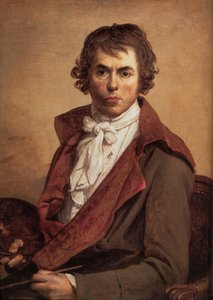
Jacques-Louis David
1748 - 1800 , Franța
Detalii rapide
- Artistic Movement Or Style: Neoclasicism
- Artists Or Movements Influenced By This Artist:
- Ingres
- Matisse
- Artists Who Influenced This Artist:
- Vien
- Mengs
- Date Of Birth: 30 august 1748
- Date Of Death: 29 decembrie 1825
- Full Name: Jacques-Louis David
- Nationality: Francez
- Notable Artworks:
- Oath of the Horatii
- Marat Mort
- Napoleon pe Alpi
- Place Of Birth: Paris, Franța