


 Vezi în context
 Trimite
 Distribuie
 Detalii
 Ghidul

 Descarcă
 Produse similare
 Radiografie
 Diaporama
 Statistici
Triptych
 Oil On Panel
- Northern Renaissance
 1515
1515- Renaissance
 156.0 x 123.0 cm
 Pinacoteca di Brera
 Citește mai mult
Giclée / Imprimare artistică
Printuri giclée sau pe canvas de calitate muzeală, cu proces de producție rapid și opțiuni flexibile de finisare. ( Comandă pictură realizată manual Treci la imagine digitală)




P118B lei10

P118H lei10

P118W lei10

P438Z lei10

P508JH lei12

P508YH lei12

P805H lei10

P805Z lei10

P919BZ lei10

P919G lei10

P919XJ lei10

P959ZH lei10

P968JZ lei12

W106C lei8

W218G lei10

W218JH lei8

W218Y lei10

W307PJ lei10

W316G lei10

W316PJ lei8

W316Y lei10

W398PJ lei8

W4111J lei10

W500HY lei15

W500JH lei15

W692G lei12

W849H lei8

W940BG lei15

W953PJ lei8




Alegeți dintre dimensiunile noastre prestabilite, care respectă proporțiile originale ale operei de artă.

Introduceți lățimea și înălțimea de care aveți nevoie, pentru a se potrivi ramei sau peretelui dumneavoastră. O printare poate fi doar tăiată, niciodată extinsă dincolo de dimensiunea imaginii originale, astfel încât o dimensiune cu o formă diferită va pierde o parte din imagine. Vă trimitem o simulare digitală pentru aprobare înainte de a imprima orice. Imaginea afișată pe această pagină nu prezintă tăierea reală — doar simularea arată acest lucru.
Livrare în întreaga lume () în 2 săptămâni, în loc de cele 4/5 săptămâni standard. (25 Octombrie)

Livrare expres gratuită la nivel mondial

Pânză de in premium

Asigurare completă pentru transport

Garanție de rambursare a taxelor vamale

Garanția fidelității culorilor

Politica de retur în 100 de zile (doar pentru defecte)

Garanție de rambursare 100%

Reducere pentru comenzi multiple
 Opțiunea cu sticlă este disponibilă doar pentru dimensiuni de sub 110 cm

Triptych
Giclée / Imprimare artistică
Dimensiune reproducere
-


Preț total
lei 296
A Window into the Northern Renaissance
In the quiet majesty of Jan De Beer’s Triptych, dated 1515, we are invited to step through a portal into the heart of the early sixteenth century. This extraordinary three-paneled masterpiece serves as more than just a religious or narrative tool; it is a breathtaking window into a world where the sacred and the secular dance in a delicate, gilded embrace. As one gazes upon the intricate details, there is an immediate sense of being transported to a time of profound transition, where the meticulous craftsmanship of the Northern Renaissance meets a burgeoning interest in human interaction and architectural grandeur. The work captures a moment in history when the mastery of oil on panel allowed artists to achieve a level of luminous depth that feels almost supernatural, inviting the viewer to linger on every brushstroke.
The composition unfolds like a beautifully choreographed drama across three distinct stages. In the left panel, we find ourselves within the solemnity of an indoor sanctuary. Here, the atmosphere is thick with reverence; figures gather around a central icon, their elaborate, heavy garments suggesting a high social standing and a deep-seated piety. The soaring ceilings and arched doorways create a sense of verticality that draws the eye upward, mirroring the spiritual aspirations of the era. Moving to the center panel, the perspective shifts dramatically to an expansive outdoor vista. From a balcony or terrace, we overlook a sprawling cityscape characterized by the elegant domes and columns of Gothic and Renaissance architecture. This scene breathes life into the work, offering a moment of observation and quiet conversation that connects the intimate religious devotion of the first panel to the wider, bustling world of the human experience.
The Mastery of Light and Texture
Technically, De Beer demonstrates the pinnacle of the oil painting tradition. The artist utilizes light not merely to illuminate, but to sculpt the very air within the panels. Through a sophisticated use of chiaroscuro, certain figures emerge from the shadows with startling clarity, while others recede into a soft, atmospheric haze, creating a profound sense of three-dimensional space. This interplay of light and shadow lends a dramatic, almost cinematic quality to the scenes, heightening the emotional weight of each gathering. The colors are remarkably rich and saturated; deep crimsons, regal blues, and warm ochres vibrate against one another, contributing to a visual feast that remains as vibrant today as it was five centuries ago.
For the discerning collector or interior designer, this Triptych offers an unparalleled opportunity to introduce a sense of historical weight and narrative complexity into a space. The right panel, featuring a convivial indoor gathering around a richly decorated table, provides a warm, humanizing counterpoint to the more formal scenes. The presence of luxurious tapestries and fine rugs depicted within the painting suggests a setting of immense wealth and power, making the piece an ideal focal point for rooms designed to evoke sophistication and timelessness. Whether displayed as a centerpiece in a grand hall or as a contemplative element in a private study, this reproduction brings with it the soul of the Renaissance, offering a continuous dialogue between the splendor of the past and the elegance of the present.
Întrebări și răspunsuri
Cum se raportează subiectul operei „Triptych” la temele obișnuite ale lui Jan De Beer?
"Triptych" înfățișează triptych, renaissance, religious scene, gothic architecture, figures, oil on panel, historical figures, în timp ce temele recurente ale lui Jan De Beer sunt northern renaissance style, religious devotion themes, gothic architectural influence, renaissance social hierarchy, masterful oil technique, key devotional work. Compararea celor două relevă modul în care această lucrare se raportează la subiectele obișnuite ale artistului.
Culorile din "Triptych" de Jan De Beer sunt saturate sau tenue?
Paleta lucrării "Triptych" are o saturație de Subtle Color.
Ce subiecte apar în "Triptych" de Jan De Beer?
"Triptych" de Jan De Beer reprezintă: triptych, renaissance, religious scene, gothic architecture, figures, oil on panel, historical figures.
Opere similare


Biografie artist
The Master of Antwerp Mannerism
Jan De Beer stands as a luminous figure from the dawn of the sixteenth century, a period of profound spiritual and artistic transition in the Low Countries. Active primarily in Antwerp, he was a central protagonist in a loose but influential group of painters known as the Antwerp Mannerists. For many years, his individual identity remained shrouded in mystery, as much of his oeuvre was attributed to the Master of the Milan Adoration. It was only through the diligent efforts of art historians in the twentieth century that De Beer was rediscovered and reclaimed from the shadows of anonymity, revealing a painter of immense technical skill and profound religious devotion.
Born into an artistic lineage as the son of the painter Claes de Beer, Jan’s path was paved with the traditions of his craft. His early training under Gillis van Everen provided him with a foundation in the meticulous Netherlandish style, yet he would go on to transcend mere imitation. By 1504, he had achieved the prestigious status of master within the Antwerp Guild of Saint Luke, eventually rising to the esteemed position of dean. His professional life was deeply intertwined with the vibrant, bustling commerce and religious fervor of Antwerp, where he operated a large and productive workshop that shaped the visual language of the era.
A Symphony of Devotion and Detail
The work of Jan De Beer is characterized by a breathtaking marriage of Northern Renaissance realism and a burgeoning sense of theatricality. His compositions often serve as sacred windows, inviting the viewer into moments of divine encounter. In masterpieces such as his Annunciation, one finds a world where the celestial and terrestrial realms breathe in unison. He possessed a singular ability to render the weight of a heavy, ceremonial garment or the delicate, translucent sheen of a wine glass with such precision that the objects seem to possess a life of their own. This mastery of the oil medium allowed him to employ subtle gradations of light and shadow, creating a sense of volume and depth that pulls the observer into the heart of the narrative.
Beyond mere technical virtuosity, De Beer’s art is steeped in a rich tapestry of symbolism. Whether through the presence of birds hinting at divine grace or the architectural grandeur of Gothic arches acting as bridges to the heavens, every element of his work is imbued with meaning. His triptychs, such as those dating from approximately 1510 and 1515, demonstrate a sophisticated command over narrative flow, using multiple panels to orchestrate complex religious dramas that move between intimate indoor sanctuaries and expansive, sunlit vistas. In these works, the meticulous craftsmanship of the Northern tradition meets an emerging interest in human interaction and architectural scale.
Legacy and Historical Significance
Though his name fell into obscurity following the end of the sixteenth century, Jan De Beer’s influence endured through the lasting impact of the Antwerp Mannerist style. He was a contemporary of other great figures like Quentin Matsys and may have even collaborated with landscape innovators such as Joachim Patinir. His ability to maintain fame and respect during his lifetime—as noted by the Italian biographer Lodovico Guicciardini—speaks to the high regard in which he was held by his peers.
Today, De Beer is recognized not merely as a skilled craftsman, but as an artist who captured the very soul of a period in transition. His rediscovered legacy offers a vital link to the spiritual intensity of the early sixteenth century, reminding us of an age where art served as the primary vessel for divine communication and where every brushstroke was an act of profound faith.

Jan De Beer
1475 - 1528 , Netherlands
Informații rapide
- Artistic Movement Or Style: Antwerp Mannerism
- Full Name: Jan De Beer
- Notable Artworks:
- Madonna and Child with a pilgrim and an angel
- Triptych
- Annunciation
- Place Of Birth: Netherlands
- Date Of Birth: 1475
- Date Of Death: 1528
Articole conexe
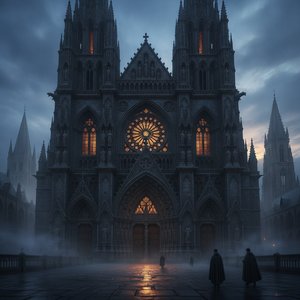
Gothic Art Guide for Hotel Designers: Leveraging Dramatic Shadows and Architectural Grandeur in Luxury Interiors
Elevate hospitality interiors with our expert guide to Gothic art. Discover how to leverage dramatic shadows, architectural grandeur, and high-end reproductions to create sophisticated, atmospheric hotel spaces that captivate guests.

