


 Previzualizare
 Trimite prin felicitare
 Distribuie
 Detalii despre lucrare
 Ghid
Ghid

 Descarcă imaginea
 Produse similare
 Radiografie
 Galerie foto
 Q&A
Q&A Statistici
untitled (5187)


 Vezi mai mult
Giclée / Imprimare artistică
Printuri giclée sau pe canvas de calitate muzeală, cu proces de producție rapid și opțiuni flexibile de finisare. ( Comandă pictură realizată manual Comută pe Imagine Digitală)




P118B lei10

P118H lei10

P118W lei10

P438Z lei10

P508JH lei12

P508YH lei12

P805H lei10

P805Z lei10

P919BZ lei10

P919G lei10

P919XJ lei10

P959ZH lei10

P968JZ lei12

W106C lei8

W218G lei10

W218JH lei8

W218Y lei10

W307PJ lei10

W316G lei10

W316PJ lei8

W316Y lei10

W398PJ lei8

W4111J lei10

W500HY lei15

W500JH lei15

W692G lei12

W849H lei8

W940BG lei15

W953PJ lei8




Alegeți dintre dimensiunile noastre prestabilite, care respectă proporțiile originale ale operei de artă.

Introduceți lățimea și înălțimea necesare pentru a se potrivi ramei sau peretelui dumneavoastră. O printare poate fi doar tăiată, niciodată extinsă dincolo de dimensiunea imaginii originale, astfel încât o dimensiune cu o formă diferită va pierde o parte din imagine. Vă trimitem o simulare digitală pentru aprobare înainte de a imprima orice. Imaginea afișată pe această pagină nu prezintă tăierea reală — doar simularea arată acest lucru.
Livrare în întreaga lume () în 2 săptămâni, în loc de cele 4/5 săptămâni standard. (2 Noiembrie)

Livrare expres gratuită la nivel mondial

Pânză de in de înaltă calitate

Asigurare completă pentru transport

Garanție de rambursare a taxelor vamale

Garanția fidelității culorilor

Politica de retur în 100 de zile (doar pentru defecte de fabricație)

Garanție de rambursare 100%

Ofertă pentru comenzi multiple
 Opțiunea cu sticlă este disponibilă doar pentru dimensiuni de sub 110 cm

untitled (5187)
Giclée / Imprimare artistică
Dimensiune reproducere
-


Preț total calculat
lei 304
A Window Into Faith: The Luminous World of Jan van Eyck
In the quiet corners of fifteenth-century Flanders, a revolution was unfolding, not through the clash of swords, but through the delicate application of oil on panel. Jan van Eyck, a master whose name remains synonymous with the dawn of the Northern Renaissance, captured this transformative era in his untitled masterpiece (5187). This painting is far more than a mere depiction of a religious scene; it is an invitation to step through a portal into a world where the divine and the earthly are inextricably linked. As one gazes upon the composition, there is an immediate sense of profound stillness, a meditative atmosphere that draws the viewer into a sacred dialogue between the figures and the light that bathes them.
The scene unfolds before a doorway, a threshold that serves as a powerful metaphor for spiritual transition. A woman, draped in a vibrant, commanding red—a hue traditionally evocative of both royal dignity and divine grace—stands as the focal point of this devotion. She holds aloft a book, perhaps a sacred scripture, her posture suggesting a moment of deep contemplation or the sharing of holy wisdom. Beside her, a figure in somber black provides a grounding contrast, creating a visual balance that mirrors the duality of human existence: the earthly struggle and the spiritual aspiration. The presence of birds, perched subtly within the frame, adds a layer of naturalistic grace, reminding us that even the smallest creatures are part of this divine tapestry.
The Alchemy of Light and Oil
What truly elevates this work to the status of a cornerstone of Early Netherlandish art is Van Eyck’s pioneering mastery of the oil medium. Before his innovations, artists primarily relied on tempera, which often resulted in flat, opaque surfaces. Van Eyck, however, utilized glazing techniques—the meticulous layering of thin, translucent washes of pigment over thicker undercoats. This process allowed light to penetrate the paint layers and reflect back from within, creating an unprecedented luminosity and a sense of "inner glow" that seems to emanate from the woman’s very skin and the heavy textures of the books.
This technical brilliance allows for an astonishing level of detail that captivates the eye and rewards prolonged study. One can almost feel the weight of the leather bindings on the shelves, the crispness of the paper, and the soft way light dances across the surfaces. For the collector or interior designer, this level of detail offers a profound depth; a high-quality reproduction of such a piece does not merely decorate a wall—it provides a focal point of intellectual and sensory richness, bringing a sense of historical weight and quiet sophistication to any curated space.
Symbolism and the Soul of the Northern Renaissance
Beyond the technical marvels lies a rich, coded language of symbolism that was central to the fifteenth-century mind. Every element in "Untitled (51 187)" is a deliberate choice intended to provoke thought. The books scattered throughout the scene, some resting on shelves and others held in trembling hands, serve as symbols of knowledge, piety, and the pursuit of divine truth through study. The interplay between the red and black garments further reinforces themes of passion and mourning, or life and death, creating a narrative tension that keeps the viewer emotionally engaged.
To possess or display a work inspired by Van Eyck is to embrace a legacy of meticulous observation and spiritual depth. This painting serves as a testament to a time when art was a bridge between the seen and the unseen. Whether viewed as an academic triumph of the Northern Renaissance or as a breathtaking piece of decorative fine art, the work continues to inspire awe, offering a timeless sanctuary of peace and beauty for the modern home.
Întrebări și răspunsuri
Cum se încadrează „untitled (5187)” în temele și stilul lui Jan van Eyck?
"untitled (5187)" face parte din perioada Early Netherlandish Painting a lui Jan van Eyck, ale cărei teme recurente includ influenced by gothic tradition, faith, spirituality, patronage significance.
Ce nivel de luminozitate are "untitled (5187)" de Jan van Eyck?
"untitled (5187)" de Jan van Eyck are o luminanță de Soft Shadow. Luminația descrie câtă lumină par să reflecte culorile.
Ce nivel de contrast prezintă "untitled (5187)" de Jan van Eyck?
"untitled (5187)" de Jan van Eyck prezintă un contrast Balanced între zonele luminoase și cele întunecate.
Opere similare


Biografie artist
O Viață Luminată: Lumea lui Jan van Eyck
Jan van Eyck, un nume sinonim cu zorii picturii olandeze timpurii și utilizarea revoluționară a vopselei în ulei, rămâne o figură enigmatică în ciuda impactului său monumental asupra istoriei artei. Născut în jurul anului 1390 la Maastricht, situat în ceea ce este astăzi Olanda, Van Eyck a apărut dintr-o familie profund înrădăcinată în tradiția artistică – fratele său mai mare, Hubert, practica și el meseria de pictor, deși detaliile despre opera sa rămân obscure. Deși detaliile biografice precise sunt rare, în special cele referitoare la anii săi formativi, este clar că Jan a posedat un talent înnăscut și a urcat rapid la proeminență în cercurile artistice ale vremii sale. Până în 1422, stabilise deja un atelier la Haga, angajând asistenți și întreprinzând comenzi care semnalau măiestria sa în meserie. Acest succes timpuriu nu se baza doar pe abilitățile artistice; Van Eyck era un om de inteligență și încredere, calități care l-ar atrage curând în serviciul patronilor puternici.Serviciul Curții Burgundiei: Diplomație și Înflorire Artistică
Un moment crucial în cariera lui Van Eyck a sosit odată cu numirea sa la curtea Burgundiei, mai întâi sub John al III-lea cel Milostiv și ulterior sub Filip cel Bun. Aceasta nu era doar o aranjare de patronaj; Van Eyck a fost încredințat misiuni diplomatice, demonstrând încrederea Ducelui în discreția și inteligența sa. Aceste călătorii prin Europa – inclusiv expediții în Portugalia și Spania – l-au expus la diverse culturi și influențe artistice, modelându-i subtil stilul în evoluție. Curtea i-a oferit nu numai securitate financiară, ci și acces la resurse care i-au permis lui Van Eyck să întreprindă proiecte ambițioase, depășind limitele a ceea ce era realizabil artistic. El nu era doar un pictor *pentru* elitele burgunde; a devenit parte integrantă a lumii lor, reflectând și sporind prestigiul acestora prin arta sa. Această poziție unică i-a oferit un nivel de libertate artistică rar întâlnit de pictorii epocii, permițându-i experimentarea și inovația care vor schimba pentru totdeauna cursul picturii.Alchimia Uleiului: O Revoluție în Tehnică
Deși nu a fost inventatorul vopselei în ulei – utilizarea sa predatează pe Van Eyck – el este, fără îndoială, maestrul său desăvârșit. Înainte de inovațiile sale, tempera era mediul dominant, oferind capacități limitate de amestecare și un finisaj relativ mat. Van Eyck a deblocat întregul potențial al vopselei în ulei prin stratificarea meticuloasă a glazurilor translucide, obținând un nivel fără precedent de detaliu, luminozitate și realism. Această tehnică a permis gradații subtile de tonuri, culori mai bogate și crearea texturilor care imitau viața însăși. Efectul a fost transformator; suprafețele păreau să strălucească din interior, țesăturile aveau o calitate tactilă, iar portretele capturau nu numai asemănarea, ci și profunzimea psihologică. Măiestria sa nu era doar tehnică – era un proces alchimic, transformând pigmenții în ceva similar realității vii. Această inovație nu a trecut neobservată; a devenit fundația pentru generațiile de pictori care au urmat, schimbând fundamental peisajul artei occidentale.Capodopere și Moștenire Durabilă
Moștenirea artistică a lui Van Eyck este consolidată de un corpus relativ mic, dar profund influent de lucrări. Polipticul din Gent (1432), o pictură monumentală, reprezintă întreprinderea sa cea mai ambițioasă – un tapiserie complexă de simbolism religios și strălucire tehnică. La fel de renumit este *Portretul lui Giovanni Arnolfini și a Soției sale* (1434), o lucrare revoluționară în portretistica celebrată pentru realismul, detaliile intricate și simbolismul enigmatic. Alte lucrări notabile includ Tripticul din Dresda, care demonstrează abilitatea sa de a descrie scene religioase cu o claritate remarcabilă, și izbitorul *Bărbat în Turbant Albastru*, o mărturie a capacității sale de a surprinde caracterul individual. Aceste picturi nu sunt doar reprezentări vizuale; ele sunt ferestre către o altă lume – o lume descrisă meticulos cu o atenție obsesivă la detalii. Influența lui Van Eyck se extinde dincolo de aceste lucrări iconice, modelând dezvoltarea picturii olandeze timpurii și inspirând nenumărați artiști de-a lungul secolelor. A murit în Bruges în 1441, lăsând în urmă o moștenire care continuă să rezoneze astăzi, amintindu-ne de puterea artei de a lumina experiența umană.- Polipticul din Gent: O capodoperă complexă plină de simbolism religios și detalii uimitoare.
- Portretul lui Giovanni Arnolfini și a Soției sale: Un punct de cotitură în portretistica renascentistă, renumit pentru realismul său și atmosfera misterioasă.
- Tripticul din Dresda: Demonstrează măiestria lui Van Eyck în descrierea scenelor religioase cu o claritate excepțională.
- Bărbat în Turbant Albastru: Un portret captivant care evidențiază abilitatea artistului de a surprinde individualitatea și caracterul.
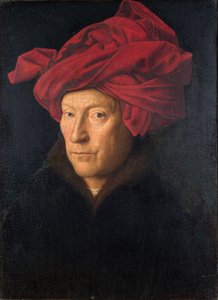
Jan van Eyck
1390 - 1441 , Țările de Jos
Detalii rapide
- Artistic Movement Or Style: Pictura Netherlandishă timpurie
- Artists Or Movements Influenced By This Artist: ['Pictori Netherlandezi']
- Date Of Birth: c. 1390
- Date Of Death: 1441
- Full Name: Jan van Eyck
- Nationality: Flandrian
- Notable Artworks:
- Altarul Gentului
- Portret Arnolfini
- Tripticul din Dresda
- Place Of Birth: Maastricht, Olanda
Articole similare

Early Netherlandish Renaissance: A Professional Guide to Mastering Detail and Realism for Luxury Interior Design
Expert guide for hotel designers on sourcing Early Netherlandish Renaissance reproductions. Discover how the hyper-realism of Jan van Eyck can elevate hospitality interiors through high-quality, large-scale oil paintings and custom multi-panel installations.


