


 Vezi în context
 Trimite
 Distribuie
 Detalii
 Guide
Guide

 Descarcă
 Produse similare
 Radiografie
 Diaporama
 Statistici
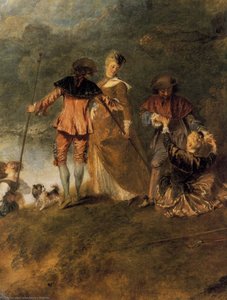
Pilgrimage to Cythera (detail)


 Citește mai mult
Reproducere pictată manual în ulei
Pictură în ulei pe pânză, realizată manual de artiștii noștri la dimensiunea și ramele dorite de dumneavoastră, pe comandă. ( Comută pe versiunea Print Treci la imagine digitală)




P118B $10

P118H $10

P118W $10

P438Z $10

P508JH $12

P508YH $12

P805H $10

P805Z $10

P919BZ $10

P919G $10

P919XJ $10

P959ZH $10

P968JZ $12

W106C $8

W218G $10

W218JH $8

W218Y $10

W307PJ $10

W316G $10

W316PJ $8

W316Y $10

W398PJ $8

W4111J $10

W500HY $15

W500JH $15

W692G $12

W849H $8

W940BG $15

W953PJ $8




Alegeți dintre dimensiunile noastre prestabilite, care respectă proporțiile originale ale operei de artă.

Puteți introduce propriile dimensiuni pentru a se potrivi unui anumit cadru sau spațiu. Dacă dimensiunea selectată nu corespunde proporțiilor imaginii originale, vom decupa opera de artă sau vom extinde pictura cu elemente suplimentare pictate manual. O simulare digitală vă va fi trimisă pentru aprobare înainte de începerea producției.
Vă rugăm să rețineți că previzualizarea de pe ecran nu reflectă decuparea sau extinderea reală. Doar macheta va arăta cu exactitate compoziția finală.
Deși sunt disponibile dimensiuni personalizate, vă recomandăm să selectați o dimensiune din lista predefinită pentru a păstra proporțiile originale.
După plasarea comenzii, echipa AllPaintingsStore.com va contacta clientul prin e-mail pentru instrucțiuni și îi va furniza o previzualizare a machetei
Livrare în întreaga lume () în 3-4 săptămâni, în loc de cele 5 săptămâni standard. (21 Septembrie). Fără compromisuri în ceea ce privește calitatea.

Livrare expres gratuită la nivel mondial

Pânză de in premium

Asigurare completă pentru transport

Garanție de rambursare a taxelor vamale

Garanția fidelității culorilor

Politica de retur în 100 de zile (doar pentru defecte)

Garanție de rambursare 100%

Reducere pentru comenzi multiple
 Opțiunea cu sticlă este disponibilă doar pentru dimensiuni de sub 110 cm

Pilgrimage to Cythera (detail)
Tip de reproducere
Dimensiune reproducere
-


Preț total
$ 258
A Moment of Transient Grace: Exploring Watteau’s “Pilgrimage to Cythera” (Detail)
Jean-Antoine Watteau's "Pilgrimage to Cythera" – and particularly this exquisite detail – offers a glimpse into a world meticulously crafted for pleasure, contemplation, and the fleeting beauty of human connection. Painted in 1717, during the twilight years of his tragically short career, it’s not merely a depiction of a park scene; it's an embodiment of Rococo ideals, a carefully constructed illusion designed to evoke a specific mood – one of wistful longing and delicate joy. The painting captures a group of figures enjoying themselves in what appears to be a formal garden setting, likely inspired by the pleasure gardens that were becoming increasingly popular in France during this period. Notice how Watteau eschews grand narratives or heroic subjects; instead, he focuses on the quiet drama of everyday social interaction – a shared glance, a murmured conversation, a moment of relaxed repose.
The Rococo Embrace: Style and Technique
Watteau’s style is instantly recognizable as the epitome of Rococo. He moved away from the rigid formality of the Baroque, favoring instead an atmosphere of lightness, grace, and sensuality. Observe the soft, diffused lighting, almost dreamlike in its quality – a hallmark of his technique. The brushstrokes are incredibly delicate, applied with a remarkable economy of paint; Watteau masterfully creates depth and texture through subtle variations in tone and color without resorting to heavy impasto. The composition itself is deliberately asymmetrical, contributing to the painting’s sense of fluidity and movement. He employs a technique known as *sfumato*, blurring outlines and softening edges, further enhancing the ethereal quality of the scene. The use of pastel colors – pale blues, pinks, greens, and yellows – reinforces this feeling of delicacy and creates an atmosphere of romanticism.
- Color Palette: Dominated by soft pastels, creating a sense of dreaminess and refinement.
- Brushwork: Extremely delicate and subtle, emphasizing the ephemeral nature of the scene.
- Composition: Asymmetrical and fluid, contributing to the painting’s overall feeling of movement and grace.
Cythera – A Mythical Destination
The title itself is crucial. “Pilgrimage to Cythera” refers to the mythical island of Cythera, the birthplace of Aphrodite, the goddess of love and beauty. For centuries, it was believed that one could travel to Cythera by sea during the summer months and experience a brief, intense period of passionate love. Watteau’s painting isn't a literal depiction of this journey; rather, it’s an *evocation* of its spirit – a yearning for romantic fulfillment and the pursuit of pleasure. The figures are not actively engaged in courtship, but rather immersed in a state of relaxed enjoyment, suggesting that the true destination is not a physical place, but a state of mind.
Symbolism and Emotional Resonance
Beyond the mythological reference, the painting is rich with symbolic detail. The scattered statues – often figures from classical mythology – subtly reinforce the theme of beauty and idealization. The birds, frequently associated with love and fertility, add to the sense of idyllic harmony. Notice how Watteau captures a fleeting moment of connection between the figures; they are not posed dramatically, but rather caught in natural gestures of conversation or contemplation. This emphasis on intimacy and subtle emotion is central to the Rococo aesthetic. “Pilgrimage to Cythera” isn’t about grand pronouncements; it's about capturing the quiet beauty of human interaction and the bittersweet awareness of its transience – a poignant reminder that moments of grace are often fleeting, yet profoundly memorable.
AllPaintingsStore offers exquisite hand-painted reproductions of this captivating work by Jean-Antoine Watteau. Bring the delicate beauty and evocative atmosphere of “Pilgrimage to Cythera” into your home or office – a timeless testament to the enduring power of Rococo artistry.
Opere similare




Biografie artist
A Delicate Brushstroke: The Life and Art of Jean-Antoine Watteau
Jean-Antoine Watteau, a name synonymous with the blossoming Rococo style, emerged from the northern French city of Valenciennes in 1684. His brief but incandescent career irrevocably altered the course of eighteenth-century painting, shifting its focus from the grandeur and drama of the Baroque to an intimate world of elegance, leisure, and subtle emotion. Unlike many artists who followed a clearly defined path, Watteau’s journey was marked by initial struggles for recognition within the established art institutions of Paris. Born into a family of modest means—his father a master roofer—young Jean-Antoine displayed an early aptitude for drawing, initially sketching the colorful characters and bustling scenes of his hometown streets. This formative experience instilled in him a keen eye for observation and a fascination with everyday life, themes that would permeate his later work. His initial training under local artists Jacques-Albert Gérin and Julien provided a foundation, but it was his move to Paris around 1702 that truly ignited his artistic development.From Theatrical Scenes to *Fêtes Galantes*
In the vibrant heart of Paris, Watteau entered the workshop of Claude Gillot, a painter specializing in theatrical designs and the popular genre of *fêtes galantes*—depictions of aristocratic outdoor entertainments. This apprenticeship proved pivotal. Gillot’s influence exposed Watteau to the world of commedia dell'arte, with its masked characters and playful narratives, which would become a recurring motif throughout his oeuvre. However, Watteau’s artistic sensibilities didn’t neatly align with the rigid categories favored by the Académie Royale de Peinture et de Sculpture. His genre paintings were deemed unsuitable for official recognition, leading to initial rejection when he attempted to compete for the prestigious Prix de Rome. Undeterred, and demonstrating a remarkable resilience, Watteau persevered, eventually gaining acceptance as a *maître amateur* in 1717—a status that allowed him to exhibit his work independently. This period marked a crucial turning point, allowing him to fully develop his unique style characterized by luminous colors, delicate brushwork, and an air of wistful melancholy. He began to move away from direct theatrical representation towards more poetic and evocative scenes, inventing the *fête galante* as a distinct genre—idyllic gatherings in park-like settings where aristocratic figures engaged in flirtatious pursuits and refined pastimes.The Essence of Rococo: Style and Masterpieces
Watteau’s paintings are instantly recognizable for their distinctive qualities. He possessed an unparalleled ability to capture the elegance and refinement of aristocratic life, not through bombastic displays of power or wealth, but through subtle gestures, nuanced expressions, and a masterful use of light and color. His figures exude a poetic grace and a delicate emotional depth that sets them apart from the more formal portraits of his predecessors. The Country Dance (1718-1721), perhaps one of his most celebrated works, exemplifies this perfectly—a vibrant scene depicting carefree rustic life with exquisite detail and an underlying sense of longing. Other masterpieces such as Ceres (Summer) (1705) demonstrate his skill in portraying the beauty of nature and the human form, while The Embarkation for Cythera (1717) and its companion piece, Pilgrimage to Cythera, are iconic depictions of mythological journeys to the island of love, imbued with a sense of mystery and romantic yearning. Even his theatrical portraits, like Gilles (1719), possess an enigmatic quality that invites contemplation. Watteau’s technique was equally innovative; he employed a feathery brushstroke and a delicate layering of colors to create a shimmering effect, capturing the fleeting beauty of light and atmosphere.Influences and Artistic Development
Watteau's artistic lineage is complex, drawing inspiration from diverse sources. He deeply admired Venetian Renaissance masters like Titian and Veronese, particularly their rich color palettes and dynamic compositions. The influence of Flemish artists such as Rubens is also evident in his energetic brushwork and sensuous figures. However, Watteau didn’t simply imitate these predecessors; he synthesized their influences into something entirely new and uniquely his own—a style that became the hallmark of Rococo painting. His early training under Gérin provided a solid grounding in traditional techniques, but it was through his exposure to the theatrical world and the *fêtes galantes* that he developed his distinctive vision. The rejection from the Prix de Rome forced him to forge his own path, leading him to experiment with new approaches to composition, color, and subject matter. This period of independent exploration ultimately shaped his artistic identity and allowed him to establish a style that was both innovative and deeply personal.Legacy and Enduring Influence
Watteau's artistic lineage is complex, drawing inspiration from diverse sources. He deeply admired Venetian Renaissance masters like Titian and Veronese, particularly their rich color palettes and dynamic compositions. The influence of Flemish artists such as Rubens is also evident in his energetic brushwork and sensuous figures. However, Watteau didn’t simply imitate these predecessors; he synthesized their influences into something entirely new and uniquely his own—a style that became the hallmark of Rococo painting. Despite a tragically short life—he succumbed to tuberculosis in 1721 at the age of just thirty-seven—Watteau left an indelible mark on art history. His work profoundly influenced generations of artists, including Fragonard and Boucher, who further developed the themes and techniques he pioneered. He redefined genre painting, elevating it to a level of artistic sophistication previously reserved for historical or religious subjects. Today, his paintings are treasured in major museums worldwide—from the National Gallery of Art in Washington D.C. to the Museo del Prado in Madrid—continuing to captivate audiences with their beauty, grace, and enduring appeal, solidifying his place as one of the most important and beloved artists of the Rococo period.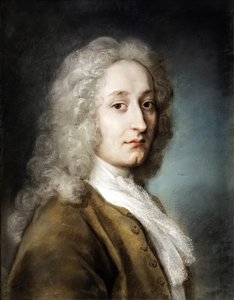
Jean-Antoine Watteau
1684 - 1721 , Franța
Informații rapide
- Artistic Movement Or Style: Rococō
- Artists Or Movements Influenced By This Artist:
- Fragonard
- Boucher
- Artists Who Influenced This Artist:
- Titian
- Veronese
- Rubens
- Date Of Birth: 1684
- Date Of Death: 1721
- Full Name: Jean-Antoine Watteau
- Nationality: Francez
- Notable Artworks:
- Dansul rural
- Ceres (Vara)
- Contractul de căsătorie
- Gilles
- Pelerinajul către Cythera
- Place Of Birth: Valenciennes, Franța
Articole conexe

Rococo Art Guide: A Professional Designer's Resource for Implementing Elegance, Ornamentation, and Luxury in Hospitality Interiors
Elevate hospitality interiors with our professional guide to Rococo art. Discover expert strategies for integrating opulent ornamentation, gold accents, and large-scale reproductions into luxury hotel designs through reliable, high-volume art procurement.


