


 Vezi în context
 Trimite
 Distribuie
 Detalii
 Guide
Guide

 Descarcă
 Produse similare
 Radiografie
 Diaporama
 Statistici
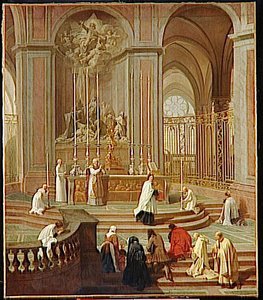
Le Révérend Père Pierre Jean Cayron

 Citește mai mult
Reproducere pictată manual în ulei
Pictură în ulei pe pânză, realizată manual de artiștii noștri la dimensiunea și ramele dorite de dumneavoastră, pe comandă. ( Comută pe versiunea Print Treci la imagine digitală)




































Alegeți dintre dimensiunile noastre prestabilite, care respectă proporțiile originale ale operei de artă.

Puteți introduce propriile dimensiuni pentru a se potrivi unui anumit cadru sau spațiu. Dacă dimensiunea selectată nu corespunde proporțiilor imaginii originale, vom decupa opera de artă sau vom extinde pictura cu elemente suplimentare pictate manual. O simulare digitală vă va fi trimisă pentru aprobare înainte de începerea producției.
Vă rugăm să rețineți că previzualizarea de pe ecran nu reflectă decuparea sau extinderea reală. Doar macheta va arăta cu exactitate compoziția finală.
Deși sunt disponibile dimensiuni personalizate, vă recomandăm să selectați o dimensiune din lista predefinită pentru a păstra proporțiile originale.
După plasarea comenzii, echipa AllPaintingsStore.com va contacta clientul prin e-mail pentru instrucțiuni și îi va furniza o previzualizare a machetei
Livrare în întreaga lume () în 3-4 săptămâni, în loc de cele 5 săptămâni standard. (21 Septembrie). Fără compromisuri în ceea ce privește calitatea.

Livrare expres gratuită la nivel mondial

Pânză de in premium

Asigurare completă pentru transport

Garanție de rambursare a taxelor vamale

Garanția fidelității culorilor

Politica de retur în 100 de zile (doar pentru defecte)

Garanție de rambursare 100%

Reducere pentru comenzi multiple
 Opțiunea cu sticlă este disponibilă doar pentru dimensiuni de sub 110 cm

Le Révérend Père Pierre Jean Cayron
Tip de reproducere
Dimensiune reproducere
-


Preț total
$ 258
Opere similare




Biografie artist
The Grace of Light and Shadow: The Life of Jean-Baptiste Despax
Jean-Baptiste Despax remains a captivating figure in the tapestry of French art, a painter whose brush captured the delicate transition between two of history's most evocative eras. Born in the culturally rich city of Valenciennes, France, Despax emerged during a period when the theatrical intensity of the Baroque was beginning to soften into the playful, ornamental elegance of the Rococo. His life, spanning from approximately 1709 to 1773, was a journey through an age of profound aesthetic transformation. While his early years were marked by the personal shadows of familial loss, these very hardships seemed to deepen his capacity for emotional resonance, allowing him to imbue his subjects with a soulfulness that transcended mere decoration. Through his formal training at the Académie Royale de Valenciennes, Despax mastered the rigorous techniques of his predecessors. He became an adept practitioner of chiaroscuro, utilizing the dramatic interplay of light and shadow to create depth and volume. This mastery of light allowed him to navigate the complexities of both religious and allegorical themes, bringing a sense of divine presence or mythological weight to his canvases. His ability to manipulate light was not merely a technical feat but a narrative tool, used to guide the viewer's eye through compositions that felt both monumental and intimately human.A Synthesis of Styles: Rococo Elegance Meets Baroque Drama
The true brilliance of Despax lies in his unique ability to bridge the gap between the heavy, dramatic traditions of the Baroque and the lighthearted, pastel-infused world of the Rococo. While he drew inspiration from the opulent ornamentation and asymmetrical grace championed by masters like François Boucher and Jean Honoré Fragonard, he never fully abandoned the structural integrity and emotional gravity of the older style. This stylistic synthesis created a body of work that felt simultaneously fresh and grounded, capable of depicting both the ethereal beauty of an angel and the somber dignity of a priest. His repertoire was remarkably diverse, ranging from deeply spiritual compositions to scenes of classical mythology. In works such as Tobie et l’Ange, one can witness his skill in weaving together narrative tension and delicate beauty. His religious paintings often utilized soft, luminous palettes to evoke a sense of heavenly peace, yet they retained a tactile realism that made the sacred scenes feel immediate and tangible. This duality—the ability to be both decorative and profound—is what distinguishes Despax from many of his contemporaries who leaned too heavily into either pure ornamentation or rigid classicism.Legacy and Artistic Significance
The historical significance of Jean-Baptiste Despax is found in his role as a stylistic mediator. He did not merely follow the trends of 18th-century France; he refined them, blending the technical rigor of the past with the aesthetic whimsy of the present. His portraits, such as the evocative Le Révérend Père Pierre Jean Cayron, demonstrate his capacity for capturing character through rich textures and realistic detail, ensuring that his subjects possessed a lasting, lifelike presence. Today, Despax’s work serves as a vital window into the French aesthetic evolution. His paintings remind us of a time when art was a delicate balance of:- Emotional Depth: Using light to convey the weight of human experience and spiritual devotion.
- Technical Mastery: The precise application of shadow to create three-dimensional reality on a flat surface.
- Aesthetic Harmony: The seamless integration of soft, pastel Rococo hues with the structured compositions of the Baroque tradition.

jean baptiste despax
1827 - 1875 , France
Informații rapide
- Artistic Movement Or Style: Romantic Art
- Artists Or Movements Influenced By This Artist: ['']
- Artists Who Influenced This Artist: ['']
- Date Of Birth: Valenciennes, France (1827)
- Date Of Death: 1875
- Full Name: Jean Baptiste Despax
- Nationality: French
- Notable Artworks:
- Tobie et l’Ange
- Le Roi David
- Jean Baptiste Despax
- Place Of Birth: Valenciennes
Articole conexe

From Grandeur to Grace: Exploring the Evolution of Baroque & Rococo Art
Explore the captivating evolution from Baroque's drama to Rococo's grace! Discover key artists, characteristics & lasting influence of these art movements with expert insights at AllPaintingsStore.

Jean-Baptiste Pater: Rococo Charm & Ephemeral Beauty of 18th-Century France
Explore the captivating world of Jean-Baptiste Pater, a master of Rococo painting. Discover his elegant *fête galante* scenes and shimmering portraits – a glimpse into 18th-century French aristocracy. Learn about his legacy & find high-quality reproductions.

Drama Barocă: Cum să Aduceți Splendoare și Emoție în Interioarele Contemporane
Descoperiți cum să integrați splendoarea stilului baroc în locuința dumneavoastră! Ghid complet cu elemente de design, culori și inspirație pentru interioare luxoase și pline de emoție.

The Dramatic Flourish: Exploring the Baroque Movement's Enduring Legacy in Art History
Explore the dramatic world of Baroque art! Discover iconic artists like Caravaggio & Rubens, defining techniques, and its lasting impact on art history. Expert insights for collectors & enthusiasts at AllPaintingsStore.

Simon Vouet: A Baroque Master's Journey from Italian Influence to French Classicism
Explore the life & art of Simon Vouet, a pivotal French Baroque painter who introduced Italian styles to France. Discover his masterpieces and lasting influence on 17th-century art.

