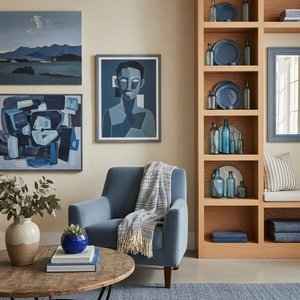
1961. Acrilic pe pânză întinsă, 270.0 x 355.0 cm.

§ 1Date catalog

- 270.0 x 355.0 cm


Această lucrare este protejată de drepturile de autor
Lucrarea de artă afișată pe această pagină este protejată de legile privind drepturile de autor, ceea ce înseamnă că nu putem crea sau vinde în mod legal o reproducere identică. Această protecție este garantată prin acorduri internaționale, precum Convenția de la Berna și de legile naționale, inclusiv cele prevăzute de Legea dreptului de autor din S.U.A. – Titlul 17. Toate drepturile rezervate. Orice reproducere neautorizată este interzisă.
Ca alternativă respectuoasă și legală, oferim tablouri pictate manual, personalizate, inspirate de original. Artistii noștri experimentați și profesioniști studiază cu atenție stilul, starea de spirit și esența artistică a originalului pentru a crea o piesă nouă și unică, care evocă aceeași emoție – rămânând, în același timp, o creație originală în sine.
Această metodă respectă pe deplin reglementările privind drepturile de autor, deoarece nu implică copierea sau duplicarea operei protejate. În schimb, este o reinterpretare creativă – o pictură nouă, influențată de original, dar care nu este identică cu acesta.
 Citește mai mult
§ 2Abstract
Descriere obiect de colecție
Experience Joan Miró's 'Blue III' (1961) – a vibrant abstract masterpiece featuring a striking red kite against serene blue hues. Explore Surrealism & modern art’s legacy.
Biografie artist
Descoperă universul vibrant al lui Joan Miró! Picturi suprarealiste și abstracte simbolizate cu forme jucăușe și culori îndrăzneațe. Pionier în arta modernă – vezi operele sale la AllPaintingsStore!
§ 3Comentariu
A Blue Dreamscape: Unpacking Joan Miró’s “Blue III”
Joan Miró’s “Blue III,” painted in 1961, isn't merely a painting; it’s an invitation into the artist’s subconscious. Measuring a substantial 270 x 355 cm on canvas, this work pulsates with a quiet energy—a testament to Miró’s mastery of abstract expressionism and his unique ability to distill complex emotions into deceptively simple forms. At first glance, it presents as a serene expanse of blue, punctuated by the bold silhouette of a red kite soaring against an azure sky. Yet, beneath this apparent simplicity lies a rich tapestry of Surrealist influences, Catalan symbolism, and a profound exploration of the human psyche. The painting’s power resides not in representational accuracy but in its evocative capacity to trigger memories, dreams, and a sense of childlike wonder—a characteristic Miró relentlessly pursued throughout his career.The Composition: Geometry and Movement
The composition of “Blue III” is meticulously balanced despite its abstract nature. The dominant blue field acts as a grounding force, providing a backdrop for the dynamic interplay of shapes and colors. The most striking element is undoubtedly the red kite, positioned towards the upper left corner. Its two connected pieces, reminiscent of wings or abstracted figures, suggest flight, aspiration, and perhaps even a touch of melancholy. Miró’s use of bold, geometric forms—the kite itself, along with the three circles scattered across the canvas—creates a sense of controlled chaos, inviting the viewer to lose themselves in its depths. The tail of the kite extends downwards and slightly to the right, adding a subtle diagonal movement that prevents the composition from feeling static. These carefully placed elements aren’t merely decorative; they are integral to the painting's narrative, contributing to an overall sense of dynamic equilibrium.Echoes of Surrealism and Expressionism
Miró’s artistic lineage is deeply intertwined with both Surrealism and German Expressionism. The influence of artists like André Masson and Max Ernst—known for their automatic drawing techniques and exploration of the unconscious—is readily apparent in Miró's use of spontaneous, gestural brushstrokes and his willingness to embrace irrationality. However, unlike the often frenetic energy of some Surrealists, Miró’s approach is characterized by a more measured restraint, a deliberate attempt to channel the subconscious into a coherent visual language. Simultaneously, there’s a palpable resonance with German Expressionism—a shared interest in conveying intense emotions through distorted forms and vibrant color palettes. The painting's emotional intensity, its ability to evoke feelings of both serenity and unease, reflects this dual influence.A Catalan Soul: Symbolism and Memory
“Blue III” is deeply rooted in Miró’s Catalan identity. The blue itself—a shade he famously associated with dreams and the subconscious—holds particular significance for him. It wasn't simply a color; it was a portal to another realm, a space where memories, fantasies, and primal emotions could surface. The kite, too, carries symbolic weight. In Catalan folklore, kites are often associated with wishes and aspirations, representing the desire to transcend earthly limitations. Miró frequently incorporated elements of Catalan culture—from farm animals to traditional costumes—into his work, imbuing them with personal meaning and celebrating his homeland’s unique heritage. The painting can be interpreted as a meditation on memory, longing, and the enduring power of cultural identity.A Legacy of Abstraction: Relevance Today
“Blue III” stands as a pivotal masterpiece in the history of abstract art. Created during a period when Abstract Expressionism was gaining momentum in the United States—a movement that championed spontaneity and emotional expression—Miró’s work helped to shape its trajectory. His innovative use of color, form, and symbolism continues to inspire artists and captivate viewers today. The painting's enduring appeal lies in its ability to bypass rational thought and connect directly with our emotions, offering a glimpse into the boundless depths of the human imagination. For those seeking a profound and visually arresting experience, reproductions of “Blue III” offer a remarkable opportunity to engage with one of Miró’s most iconic works—a blue dreamscape that transcends time and speaks to the universal language of art.Întrebări și răspunsuri
Ce dimensiune de reproducere se recomandă pentru "Blue III" de Joan Miró?
Pentru "Blue III" de Joan Miró, recomandăm o reproducere de dimensiunea Format mare. Dimensiunea poate fi ajustată păstrând proporțiile intacte.
Ce nivel de contrast prezintă "Blue III" de Joan Miró?
Contrastul lumină-umbră din "Blue III" este înregistrat ca Seren. Contrastul descrie cât de puternic diferă zonele luminoase de cele întunecate.
Unde pot vedea o previzualizare pentru „Blue III”?
O previzualizare a lucrării "Blue III" de Joan Miró este disponibilă pe pagina de Previzualizare în spațiu a acesteia.


 Comută pe versiunea Print


 Pentru opere de artă sau reproduceri care depășesc 105 cm (aproximativ 41 de inch) pe oricare dintre laturi, cadrul va fi livrat demontat, sub formă de kit. Această metodă asigură o livrare sigură și previne deteriorarea în timpul transportului.