

Romanticism · 1817
Flatford Mill (John Constable, 1817)
Flatford Mill este o operă a lui John Constable (1776–1837). Data sa este din 1817. Face parte din mișcarea Romanticism. Este realizată în Oil On Canvas. Dimensiunile sunt 50 × 60 cm.
- 1817
- Oil On Canvas
- 50 × 60 cm

 Previzualizare

 Print
 Trimite prin felicitare
 Distribuie
 Fișă informativă


 Descarcă imaginea
 Produse similare
 Radiografie
 Galerie foto
 Întrebări și răspunsuri

 Statistici
Flatford Mill: detalii esențiale
- Titlu
- Flatford Mill
- Artist
- John Constable (1776–1837)
- Artist născut în
- East Bergholt, Regatul Unit
- Date
- 1817
- Medium
- Oil On Canvas
- Dimensiuni
- 50 × 60 cm
- Mișcare
- Romanticism
- Perioadă
- 19th Century
- Subiect
- landscape, rural england, mill scene, river stour, pastoralism, british art
Ce reprezintă Flatford Mill?
Identification of Flatford Mill by John Constable
Flatford Mill is an 1817 landscape painting by the British artist John Constable. This work offers a view of the mill located in East Bergholt on the River Stour. It is also known by the subtitle Scene on a Navigable River. The scene captures a specific moment in the rural landscape of the Stour Valley, focusing on the quiet activity surrounding the water's edge.
The painting was first presented to the public when it was displayed at the Royal Academy's Summer Exhibition at Somerset House in 1817. At that time, it established the artist's interest in the specific topography of his home region. The composition centers on the mill and the river, providing a detailed look at the relationship between the water and the surrounding land.
The Composition and Visual Elements
The composition pulls you into a world of lush greens and reflective waters. At the heart of the scene, the calm, reflective waters of the river act as a mirror to the lush, verdant banks. This interplay of light and liquid creates a sense of depth that draws the eye toward the center of the work. A moored boat and distant figures provide a gentle human connection to the vastness of the Suffolk countryside, grounding the landscape in a quiet, lived-in reality.
Several individuals stand near the water's edge, their presence adding a subtle layer of activity to the peaceful scene. On the left side of the image, a horse is positioned near the bank, its form integrated into the pastoral setting. Two boats are visible in the water; one is situated towards the center, while another rests slightly to the right. These elements, combined with the rhythmic presence of the river, establish a sense of harmony within the rural environment.
Technique and Artistic Materials
In this oil on canvas, one can sense the methodical preparation that preceded the final application of paint. Before committing to the large-scale composition, the artist relied on a foundation of oil sketches, graphite drawings, and watercolour studies. This disciplined approach allowed for a careful arrangement of the landscape's complexities. The resulting work possesses a physical weight, achieved through the use of thick impasto to build up texture across the surface. This tactile quality gives the river and the earth a sense of movement and life.
There is a particular luminosity in the way the light interacts with the water and the sky. This effect is achieved through the painstaking layering of thin glazes of paint. Such a technique allows light to penetrate the surface, creating an illusion of shimmering luminescence that mimics the shifting atmosphere of the Stour Valley. It is a quiet, deliberate mastery of light and shadow.
Historical Ownership and Collections
The provenance of this work is deeply connected to the artist's own legacy. It was eventually included as part of the Constable Bequest in 1888, ensuring its place within the public consciousness. This transition from private hands to a permanent collection secured its survival for future generations to study.
Today, the painting is held within the collection of Tate Britain. It is also part of the holdings at the Tate Gallery in London. These institutions maintain the work as a significant part of their English landscape holdings. Additionally, the National Trust holds a connection to the work through its stewardship of the surrounding landscapes and properties.
Related Works by John Constable
To understand the evolution of this artist, one might look toward his earlier explorations of the Stour Valley. In 1815, he produced Boat-building near Flatford Mill, a work that captures the rhythmic sounds of craftsmanship against a quiet river setting. This piece reflects his deep connection to the local landscape and the dignity of rural labor. It is a quiet study of the textures found in the Suffolk countryside.
His later compositions often expanded in scale and ambition. He moved toward larger canvases, such as The Hay Wain from 1821, which remains one of his most recognized depictions of the river. Other significant works include The Cornfield (1826) and The Lock (1824), both of which continue his investigation into the interplay of light and water. He also turned his attention to more architectural subjects, such as Salisbury Cathedral from the Meadows in 1831.
- Boat-building near Flatford Mill (1815)
- The Hay Wain (1821)
- The Lock (1824)
- The Cornfield (1826)
- Salisbury Cathedral from the Meadows (1831)
Where to See This Masterpiece Today
If you wish to experience the subtle shifts of light and the texture of the River Stour in person, you will find this work held within the collections of the Tate Gallery in London. It is part of the permanent collection at Tate Britain, where the painting is kept for public viewing. The work remains a significant part of the Tate Britain collection, allowing visitors to observe the specific impasto and the atmospheric perspective that Constable achieved in 1817.
The painting is situated in London, United Kingdom. It is housed within the Tate Gallery, London, providing a quiet space to study the relationship between the water and the sky. Being part of the Tate Britain collection, it is accessible to those who appreciate the nuances of the Romantic tradition in a museum setting.
Flatford Mill: fișiere imagine

Pregătită dintr-o imagine de rezoluție mai mare din baza noastră de date, nu din imaginea de pe web: minimum 300 DPI. Culorile au fost verificate în raport cu originalul, fișierul fiind retușat de un expert digital.
Cumpără imaginea la rezoluție înaltăJohn Constable, Flatford Mill (1817).
John Constable (1776–1837), Flatford Mill, 1817, oil on canvas. Domeniu public Image: AllPaintingsStore.com.
Întrebări despre Flatford Mill
În ce an a fost creat "Flatford Mill" de John Constable?
"Flatford Mill" de John Constable a fost creat(ă) în 1817.
Din ce materiale este realizată „Flatford Mill”?
Tehnica utilizată pentru "Flatford Mill" de John Constable este Oil On Canvas, iar reproducerile urmăresc să reducă aspectul acestei tehnici.
Care sunt dimensiunile originalului "Flatford Mill" de John Constable?
Dimensiunile înregistrate pentru "Flatford Mill" de John Constable sunt 50 x 60 cm. Reproducerile pot fi comandate în alte dimensiuni, păstrând aceleași proporții.
Ce subiecte sunt reprezentate în "Flatford Mill" de John Constable?
Subiectele din "Flatford Mill" sunt landscape, rural england, mill scene, river stour, pastoralism, british art, constables vision.
Este "Flatford Mill" în domeniul public?
Statusul drepturilor de autor pentru "Flatford Mill" de John Constable: opera este în domeniul public – drepturile de autor au expirat. Acest lucru determină dacă reproducerile imaginii pot fi realizate liber.
Cine este artistul din spatele "Flatford Mill"?
„Flatford Mill” este atribuit lui John Constable.
Din ce stil face parte "Flatford Mill"?
„Flatford Mill” este o operă de Romanticism. Acest curent indică tradiția artistică din care face parte lucrarea.
În ce etapă a evoluției lui John Constable se încadrează „Flatford Mill”?
În cariera lui John Constable, „Flatford Mill” aparține perioadei Early Romanticism. Această etapă facilitează compararea sa cu celelalte opere ale artistului.
Ce vârstă avea John Constable când a creat "Flatford Mill" în 1817?
Când „Flatford Mill” a fost creat în 1817, John Constable – născut în 1776 – avea 41 ani.
Despre John Constable
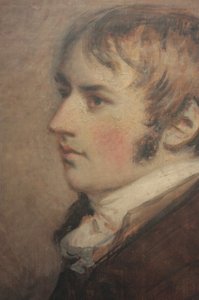
1776–1837, Regatul Unit
John Constable
Tinerețe, Familie și Formare John Constable s-a născut în anul 1776 în satul East Bergholt, din Suffolk. Fiul al doilea al lui Golding și Ann (Watts) Constable, el a crescut într-un mediu definit de activitatea economică a familiei sale. Tatăl său, un comerciant prosper de cereale și cărbune, deținea Flatford Mill. Această legătură strânsă cu râul și cu comerțul local însemna că ritmurile apei și mișcarea mărfurilor erau parte integrantă din viața cotidiană a căminului său.
Fiecare operă a lui John Constable, cu dimensiuni și prețuri → Pagina artistului Lucrări celebre ale lui John Constable
Alte lucrări ale lui John Constable
 Carul cu fân1821
 Vederea Catedralei Salisbury de pe domeniile Episcopului1823
 Salisbury cathedral
 Moara Flatford (Scenă de pe un râu navigabil)1817

Articole despre Flatford Mill
 Mastering the English Landscape: The 25 Best Artworks by John ConstableBorn in 1776, Constable rejected the theatricality of the Royal Academy for plein air honesty. Why did this shift change landscape art fore…
 25 Must-See Masterpieces at Tate Gallery London: A Journey Through Art HistoryIn 1889, Arles became the setting for Van Gogh's Self Portrait with Bandaged Ear and Pipe, a work defined by thick, vibrating impasto.
 10 Iconic Masterpieces That Defined Romantic Landscape PaintingJohn Constable completed The Hay Wain in 1821 during the Industrial Revolution. How did this era of upheaval shape the Romantic movement?