Garanție de rambursare în 100 de zile Livrare gratuită în toată lumea
449.564opere de artă 30.613artişti 4.660muzee 32limbi
Intrare în catalog

Olive Trees

1878. Acrylic On Canvas.

Fig. 1. John Singer Sargent, Olive Trees, 1878. Prezentat ca reproducerea specificată de dumneavoastră: , .

§ 1Date catalog

§ 2Abstract

Descriere obiect de colecție

John Singer Sargent’s ‘Olive Trees’ captures a serene forest scene with healthy trees and two figures, showcasing the artist's masterful brushwork and evocative style from the late 19th century. Discover this beautiful painting and bring art home.

Biografie artist

Descoperiți geniul lui John Singer Sargent! Portrete de eleganță, peisaje impresioniste și o viață plină de culoare a unui maestru american. Explorează operele sale iconice!

§ 3Comentariu

A Moment of Serenity: John Singer Sargent’s ‘Olive Trees’

John Singer Sargent's 'Olive Trees,' painted in 1878, offers more than just a picturesque scene; it’s a carefully constructed meditation on light, form, and the quiet dignity of nature. This evocative work captures a grove of olive trees – a subject that resonated deeply with the artist throughout his career – transporting the viewer to a place of profound stillness and contemplation. The painting's strength lies not just in its technical execution but also in its ability to evoke a powerful emotional response, inviting us to share in the serenity of this timeless landscape.

The Artist’s Vision: Sargent and the Landscape

Sargent’s early exposure to European art, particularly through his travels with his family across Italy and France, profoundly shaped his artistic sensibilities. He was deeply influenced by the Impressionists' focus on capturing fleeting moments of light and atmosphere, a technique he masterfully employed in ‘Olive Trees.’ Unlike purely representational works, Sargent sought to convey not just what he *saw*, but also how he *felt* about what he saw – a characteristic that defines his distinctive style. The loose brushwork and vibrant color palette contribute significantly to the painting’s luminous quality, creating an almost palpable sense of warmth and vitality.

  • Technique: Sargent utilized a broken colour technique, applying paint in small, separate strokes to build up layers of tone and create shimmering effects.
  • Composition: The carefully arranged trees draw the eye into the depths of the grove, while the inclusion of two figures subtly introduces a human element, grounding the scene and providing a sense of scale.

Symbolism and Context: Olive Trees in Art History

The olive tree itself carries significant symbolic weight across cultures and throughout history. Often associated with peace, wisdom, and longevity, it represents enduring values and the passage of time. In ancient Greece and Rome, olive trees were central to religious ceremonies and philosophical discourse. Sargent’s choice of subject matter reflects this rich tradition, suggesting a deeper contemplation beyond mere landscape depiction. The presence of figures within the grove further amplifies this symbolism, hinting at human connection with nature and the pursuit of enlightenment.

A Gilded Age Masterpiece: Style and Influence

'Olive Trees' exemplifies Sargent’s mastery of plein air painting – working directly from nature. This approach was particularly popular during the late 19th century, fueled by advancements in paint technology and a desire to capture the immediacy of natural light. The painting’s influence can be seen in subsequent landscape works by artists who sought to emulate Sargent's ability to convey atmosphere and emotion through color and brushwork. It stands as a testament to Sargent’s enduring legacy as one of the most celebrated portraitists and landscape painters of his era.

Bringing ‘Olive Trees’ into Your Space

A hand-painted reproduction of John Singer Sargent's 'Olive Trees' offers a unique opportunity to bring this timeless masterpiece into your home or office. AllPaintingsStore.com provides meticulously crafted reproductions that faithfully capture the original painting’s beauty and detail, allowing you to enjoy its evocative power for years to come. Whether adorning a study, living room, or gallery space, this artwork will undoubtedly become a focal point, inspiring contemplation and adding an element of sophisticated elegance.

Întrebări și răspunsuri

Cât de armonioase sunt culorile din "Olive Trees" de John Singer Sargent?

"Olive Trees" de John Singer Sargent prezintă o armonie cromatică Strong Color Unity.

Cum se îmbină suportul și mișcarea în "Olive Trees"?

În "Olive Trees", tehnica Acrylic On Canvas întâlnește mișcarea Late Nineteenth Century Realism.

Unde ar trebui expusă o reproducere a "Olive Trees" de John Singer Sargent?

Cu formatul său Landscape, o reproducere a operei „Olive Trees” este recomandată pentru un Living Room.
§ 4Artistul

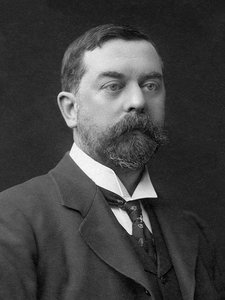
John Singer Sargent

John Singer Sargent

1856 - 1925, Italia

Informații rapide despre John Singer Sargent

  • Artistic Movement Or Style: Impressionism
  • Artists Or Movements Influenced By This Artist:
    • Whistler
    • Impressionism
  • Artists Who Influenced This Artist:
    • Carolus-Duran
    • Velázquez
  • Date Of Birth: 12 ianuarie 1856
  • Date Of Death: 15 aprilie 1925
  • Full Name: John Singer Sargent
  • Nationality: American
  • Notable Artworks:
    • Madame X
    • El Jaleo
    • Carnation Lily Lily Rose
  • Place Of Birth: Florența, Italia

Biografie artist

A Life Immersed in Light and Society

John Singer Sargent, a name synonymous with the Gilded Age and its shimmering portraits of elegance, was an American artist who spent most of his life cultivating his craft within the European art world. Born in Florence, Italy, in 1856 to American expatriate parents, Fitzwilliam and Mary Newbold Sargent, his upbringing was anything but conventional. The family’s nomadic existence – constantly traversing France, Germany, Italy, and Switzerland – instilled in young John a cosmopolitan sensibility and an early exposure to the artistic treasures of Europe. Rather than formal schooling, his education unfolded within museum halls and ancient churches, fostering a visual literacy that would profoundly shape his artistic vision. This itinerant childhood, while lacking traditional structure, provided a rich tapestry of cultural experiences that fueled his developing talent. His father, a surgeon, and his mother, an amateur artist, encouraged his inclinations, recognizing early on the remarkable acuity of his observational skills. It was clear from a young age that John’s path lay not in medicine or conventional pursuits, but within the realm of art.

From Parisian Atelier to Portrait Master

In 1874, at the age of eighteen, Sargent embarked on a pivotal chapter of his artistic development by entering the Paris studio of Carolus-Duran. This mentorship proved transformative. Duran’s emphasis on *direct painting* – a technique eschewing preliminary sketches in favor of immediate application of paint to canvas – honed Sargent's already impressive technical facility and instilled within him an astonishing ability to capture likenesses with speed and precision. It was a revolutionary approach, encouraging boldness and spontaneity, and it became the hallmark of Sargent’s style. He absorbed Duran’s lessons wholeheartedly, mastering the art of capturing not just physical resemblance but also the very essence of his sitters. Simultaneously, he enrolled at the École des Beaux-Arts, further refining his skills in drawing from casts and life models. However, it was the influence of Spanish masters like Velázquez, encountered during a formative trip to Spain in 1879, that truly ignited Sargent’s artistic imagination. He became captivated by Velázquez’s masterful use of light, brushwork, and psychological insight – qualities he would strive to emulate throughout his career.

Navigating Fame, Scandal, and Artistic Evolution

Sargent quickly established himself as a sought-after portraitist in Paris, attracting commissions from the city’s elite. However, his ascent was not without its challenges. The unveiling of *Madame X* (Portrait of Madame Pierre Gautreau) at the 1884 Salon ignited a scandal that threatened to derail his burgeoning career. The painting's daring depiction of socialite Virginie Amélie Avegno Gautreau – with her pale complexion, suggestive pose, and fallen strap – was deemed provocative and scandalous by Parisian society. Though Sargent later repainted the strap, the damage was done. Disheartened by the controversy, he relocated to London in 1886, where he found a more receptive audience for his talents. In London, he continued to paint portraits of the wealthy and prominent, capturing the opulence and social dynamics of Edwardian society with unparalleled skill. Yet, Sargent’s artistic ambitions extended beyond the confines of commissioned portraiture. He yearned for greater creative freedom and increasingly devoted himself to landscape painting and plein-air studies, embracing an Impressionistic style characterized by loose brushwork, vibrant colors, and a focus on capturing fleeting moments of light and atmosphere. These landscapes reveal a different side of Sargent – one less concerned with social status and more attuned to the beauty of the natural world.

Influences and Artistic Kinships

  • Carolus-Duran: His teacher, who instilled in him a direct painting technique and encouraged spontaneity.
  • Diego Velázquez: Sargent deeply admired Velázquez’s mastery of light, brushwork, and psychological insight, particularly evident in his Spanish works.
  • Impressionism: The Impressionists' emphasis on capturing fleeting moments and atmospheric effects profoundly impacted his landscape paintings, leading to a looser, more expressive style.
  • James Abbott McNeill Whistler: Sargent shared with Whistler an interest in aestheticism and the pursuit of “art for art’s sake,” influencing his approach to composition and color.

A Lasting Legacy

While celebrated as “the leading portrait painter of his generation,” John Singer Sargent’s artistic legacy extends far beyond his masterful depictions of society figures. His major works, such as *El Jaleo*, a dynamic portrayal of Spanish flamenco dancers, and *Carnation, Lily, Lily, Rose*, a serene depiction of two young girls in an English garden, demonstrate his versatility and technical brilliance. Later in life, he embarked on ambitious mural projects, including the monumental cycle at the Boston Public Library, showcasing his ability to translate his artistic vision onto a grand scale. His influence can be seen in the work of subsequent generations of artists who admired his technical skill, his bold brushwork, and his ability to capture both physical likeness and psychological depth. The rediscovery of his previously overlooked male nudes in the 1980s further broadened our understanding of Sargent’s artistic range and revealed a more complex and nuanced artist than previously recognized. His paintings continue to captivate audiences worldwide, offering a fascinating glimpse into a bygone era while simultaneously transcending time through their enduring beauty and technical mastery. He remains, undeniably, one of the most significant American artists of his generation, whose work continues to inspire and provoke admiration.

§ 5Lucrări similare

§ 6Întrebări

Informații rapide

  • Notable elements: 2 figures, forest scene
  • Influences: European art
  • Artist: John Singer Sargent
  • Year: 1878

§ 7Citați această lucrare

AllPaintingsStore.com, “John Singer Sargent, Olive Trees (1878)”, https://allpaintingsstore.com/ro/art/john-singer-sargent-olive-trees-8YDKG8-en/ArtistReproduction/ (accesat la 6 Octombrie 2026).

§ 8Reproducția

Reproducere pictată manual în ulei

Pictură în ulei pe pânză, pictată manual de artiștii noștri la dimensiunea și ramele dorite de dumneavoastră, pe comandă. ( Comută pe versiunea Print Comută pe Imagine Digitală)

Este specificat în marginea foii de comandă; starea actuală a acelei foi este următoarea.

Olive Trees

Tehnică de reproducere

Dimensiune reproducere

-

Selecție de artiști de elită

Mai multe detalii, rafinament și timp suplimentar de execuție

-

Ramă pentru reproducere artistică

-

-

Pentru opere de artă sau reproduceri care depășesc 105 cm (aproximativ 41 de inch) pe oricare dintre laturi, cadrul va fi livrat demontat, sub formă de kit. Această metodă asigură o livrare sigură și previne deteriorarea în timpul transportului.

Este necesară asamblarea profesională – acest produs nu este de tip DIY (de făcut singur).
Kitul trebuie asamblat, iar pânza întinsă, de către un legător de cadre experimentat, utilizând adeziv pentru lemn (neinclus în colet), o cheie pentru întinderea pânzei și cleme pentru a menține barele la unghi drept în timp ce adezivul se usucă. Asamblarea incorectă sau tensiunea neuniformă a pânzei pot deteriora permanent opera de artă și nu sunt acoperite de garanția noastră.

  • Toate barele din lemn masiv sunt incluse, tăiate cu precizie la dimensiunea necesară.

  • Asamblat cu șuruburile incluse, plus adeziv pentru lemn pentru îmbinările de colț, care nu este furnizat și trebuie achiziționat de către tâmplarul dumneavoastră.

  • Sunt necesare unelte profesionale care nu sunt incluse: o șipte de întindere a pânzei (tensionator) și cleme pentru a menține barele la unghi drept în timp ce adezivul se usucă.

Important:
Îmbinările de colț necesită adeziv pentru lemn, barele trebuie fixate cu clești de strângere până când adezivul este complet uscat, iar întinderea pânzei pe cadrul asamblat necesită un clește pentru întins pânza. Niciunul dintre aceste elemente nu este inclus în kit. Vă rugăm să consultați un încadrator profesionist cu experiență înainte de a comanda această dimensiune.

Etichetă de prezentare

-

-

Lac de protecție

Lac lucios (intensifică nuanțele și oferă protecție împotriva luminii și a umidității)

-

Personalizează opera mea de artă

Exemple de elemente ce pot fi personalizate: Înlocuirea feței cu fotografia clientului; Adăugarea unui animal de companie (de exemplu, înlocuirea unei pisici cu un câine); Includerea unui mesaj ascuns în fundal; Modificarea peisajului sau a elementelor din fundal.

-

Livrare rapidă

Livrare la nivel mondial () în 3-4 săptămâni, în loc de cele 5 săptămâni standard. (3 Noiembrie). Fără compromisuri când vine vorba de calitate.

-

Livrare rapidă

Livrare la nivel mondial () în 5 săptămâni. (10 Noiembrie).

Inclus

Preț total calculat

lei 1228

Inclus în fiecare comandă

  • Livrare expres gratuită la nivel mondial
  • Pânză de in de înaltă calitate
  • Asigurare completă pentru transport
  • Garanție de rambursare a taxelor vamale
  • Garanția fidelității culorilor
  • Politica de retur în 100 de zile (doar pentru defecte de fabricație)
  • Garanție de rambursare 100%
  • Ofertă pentru comenzi multiple
Fișă de comandă