


 Previzualizare
 Trimite prin felicitare
 Distribuie
 Detalii despre lucrare
 Ghid
Ghid

 Descarcă imaginea
 Produse similare
 Radiografie
 Galerie foto
 Q&A
Q&A Statistici
Study for


 Vezi mai mult
Lucrarea de artă afișată pe această pagină este protejată de legile privind drepturile de autor, ceea ce înseamnă că nu putem crea sau vinde în mod legal o reproducere identică. Această protecție este garantată prin acorduri internaționale, precum Convenția de la Berna și de legile naționale, inclusiv cele prevăzute de Legea dreptului de autor din S.U.A. – Titlul 17. Toate drepturile rezervate. Orice reproducere neautorizată este interzisă.
Această metodă respectă pe deplin reglementările privind drepturile de autor, deoarece nu implică copierea sau duplicarea operei protejate. În schimb, este o reinterpretare creativă – o pictură nouă, influențată de original, dar care nu este identică cu acesta.
Giclée / Imprimare artistică
Printuri giclée sau pe canvas de calitate muzeală, cu proces de producție rapid și opțiuni flexibile de finisare. ( Comandă pictură realizată manual Comută pe Imagine Digitală)




P118B lei10

P118H lei10

P118W lei10

P438Z lei10

P508JH lei12

P508YH lei12

P805H lei10

P805Z lei10

P919BZ lei10

P919G lei10

P919XJ lei10

P959ZH lei10

P968JZ lei12

W106C lei8

W218G lei10

W218JH lei8

W218Y lei10

W307PJ lei10

W316G lei10

W316PJ lei8

W316Y lei10

W398PJ lei8

W4111J lei10

W500HY lei15

W500JH lei15

W692G lei12

W849H lei8

W940BG lei15

W953PJ lei8




Alegeți dintre dimensiunile noastre prestabilite, care respectă proporțiile originale ale operei de artă.

Introduceți lățimea și înălțimea necesare pentru a se potrivi ramei sau peretelui dumneavoastră. O printare poate fi doar tăiată, niciodată extinsă dincolo de dimensiunea imaginii originale, astfel încât o dimensiune cu o formă diferită va pierde o parte din imagine. Vă trimitem o simulare digitală pentru aprobare înainte de a imprima orice. Imaginea afișată pe această pagină nu prezintă tăierea reală — doar simularea arată acest lucru.
Livrare în întreaga lume () în 2 săptămâni, în loc de cele 4/5 săptămâni standard. (3 Noiembrie)

Livrare expres gratuită la nivel mondial

Pânză de in de înaltă calitate

Asigurare completă pentru transport

Garanție de rambursare a taxelor vamale

Garanția fidelității culorilor

Politica de retur în 100 de zile (doar pentru defecte de fabricație)

Garanție de rambursare 100%

Ofertă pentru comenzi multiple
 Opțiunea cu sticlă este disponibilă doar pentru dimensiuni de sub 110 cm

Study for
Giclée / Imprimare artistică
Dimensiune reproducere
-


Preț total calculat
lei 304
Opere similare


Biografie artist
Introduction: The Enduring Power of a Working Man’s Vision
Josef Herman OBE (1911-2000) stands as a quietly monumental figure in British art, an artist whose impact resonated deeply within the landscape of contemporary painting. Born in Warsaw amidst the burgeoning artistic scene of Poland, and ultimately finding his home and profound inspiration in the Welsh mining community of Ystradgynlais, Herman’s work transcends mere representation; it's a poignant exploration of human dignity, resilience, and the enduring spirit of ordinary people. His distinctive style – characterized by bold, simplified forms and a remarkable ability to imbue his subjects with an almost palpable sense of humanity – continues to captivate viewers today. This biography seeks to unravel the layers of Herman’s life and artistic journey, revealing the forces that shaped his vision and cemented his place as a significant voice in 20th-century art.Early Life and Influences: A Polish Heritage Forged by Displacement
Josef Herman's early years were steeped in the traditions of Poland, specifically within the Yiddish community. Born on January 3rd, 1911, to a shoemaker father and a mother named Sarah Malkah, he grew up speaking Yiddish and absorbing the rich cultural tapestry of his heritage. This formative experience profoundly influenced his artistic sensibilities, instilling in him a deep appreciation for storytelling, communal life, and the dignity of labor – values that would later become central themes in his work. His formal training began at the Warsaw School of Art in 1930, where he honed his skills as a typesetter and graphic designer, disciplines which undoubtedly informed his understanding of composition and visual communication. However, the rising tide of anti-Semitism and the looming threat of war forced a dramatic shift in his life trajectory. In 1938, at the age of 27, Herman fled Poland for Brussels, seeking refuge from escalating persecution. This displacement marked not an ending but a catalyst, exposing him to a wider artistic world and setting the stage for a remarkable journey across Europe.The Journey to Britain: Finding Sanctuary and Inspiration in Wales
Following the outbreak of World War II, Herman’s path led him through France before finally arriving in Great Britain in 1940. Initially settling in Glasgow, he found himself amidst a vibrant artistic community, forging connections with fellow émigré artists like Benno Schotz and Jankel Adler – relationships that provided crucial support and shared experiences during a period of immense upheaval. It was during his time in Ystradgynlais, from 1944 to 1955, however, that Herman truly blossomed as an artist. Drawn by the stark beauty of the Welsh landscape and the palpable spirit of its working-class communities, he immersed himself in the lives of coal miners, fishermen, and farmers – subjects who would become the focus of his most celebrated paintings. The nickname “Joe Bach” (Little Joe), bestowed upon him by the locals, speaks volumes about his integration into the community and the genuine affection he garnered. This period wasn’t merely a residence; it was a profound engagement with a culture that deeply resonated with his artistic sensibilities and provided the emotional core of his work.A Distinctive Style: Bold Shapes and Portraits of Humanity
Herman's artistic style is immediately recognizable, characterized by its deliberate simplicity and powerful impact. He eschewed intricate detail in favor of bold, geometric shapes – a technique that served to amplify the essence of his subjects rather than distract from them. His paintings are not about photographic realism; they’re about capturing the *feeling* of a moment, the weight of labor, the quiet dignity of everyday life. His most famous works, such as “Miners” (1951), depict groups of men resting after their shift, radiating an aura of exhaustion and camaraderie. The painting is not merely a representation of miners; it’s a meditation on the human condition, highlighting the shared experience of hard work and the bonds forged within communities. He famously stated, “I stayed here because I found all I required,” encapsulating his belief that Ystradgynlais offered him everything he needed to continue his artistic journey. This sentiment underscores his commitment to portraying the lives of ordinary people with honesty and respect.Recognition and Legacy: An OBE, Royal Academy Membership, and Enduring Influence
Herman’s contributions to British art were ultimately recognized through prestigious awards and honors. In 1981, he was awarded an Order of the British Empire (OBE) for his services to the arts, a testament to his impact on the national artistic landscape. Furthermore, in 1990, he was elected to the Royal Academy of Arts – a remarkable achievement that solidified his position as a leading figure in contemporary British painting. Following his death in February 2000, the Josef Herman Foundation was established in Ystradgynlais, dedicated to preserving and promoting his work, fostering arts initiatives within South Wales, and ensuring that his legacy continues to inspire future generations. His paintings are now held in prominent collections across the United Kingdom, including the Glynn Vivian Art Gallery (Swansea), the New Art Gallery Walsall, and the Museum Belfast Waterfront, guaranteeing his continued visibility and influence on art history. The foundation’s work ensures that Herman's story – one of displacement, resilience, and unwavering dedication to portraying the dignity of ordinary people – will not be forgotten.
Josef Herman Obe Ra
1911 - 2000 , Poland
Detalii rapide
- Full Name: Josef Herman OBE RA
- Nationality: Polish-British
- Date Of Birth: 1911
- Date Of Death: 2000
- Place Of Birth: Warsaw, Poland
- Notable Artworks:
- Miners (1951)
- Working people
- Artistic Movement Or Style: Bold shapes, minimalist
- Artists Who Influenced This Artist:
- Courbet
- Millet
- Van Gogh
- Artists Or Movements Influenced By This Artist:
- Kat Kollwitz
- Permeke
Articole similare

Top 10 Capodopere Alb-Negru: Frumusețe Atemporală în Artă | AllPaintingsStore.ro
Descoperă top 10 picturi celebre dominate de alb, de la Monet la Kandinsky! Explorează istoria artei, tehnicile artistice și frumusețea atemporală a capodoperelor clasice. Reproduceri de calitate muzeală pe AllPaintingsStore.com – inspiră-ți decorul!

Shadow & Soul: Why Black & White Photography Remains the Ultimate Power Move in Modern Art
Discover why black & white photography remains a powerful force in contemporary art. Explore the impact of light, shadow, and texture through a visual journey of monochrome mastery and learn how to elevate your space with timeless grayscale aesthetics.

Top 10 Tablouri Celebre Dominante de Negru: Artă, Istorie și Decor Rafinat
Descoperă Top 10 tablouri celebre dominate de negru! Explorează istoria, simbolismul și tehnicile artistice ale unor opere iconice de Rembrandt, Goya și alți maeștri. Reproduceri de artă de calitate muzeală pe AllPaintingsStore.com – inspiră-ți decorul!
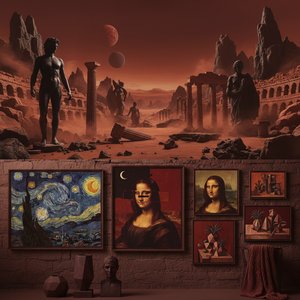
Top 10 Capodopere Picturale Dominante de Tonuri 'Mars Black' | Artă & Decor
Descoperă top 10 picturi celebre dominate de tonuri 'Mars Black', de la Rembrandt la Picasso. Explorează istoria, tehnicile și emoțiile din spatele acestor capodopere artistice. Reproduceri tablouri de calitate muzeală pe AllPaintingsStore.com!
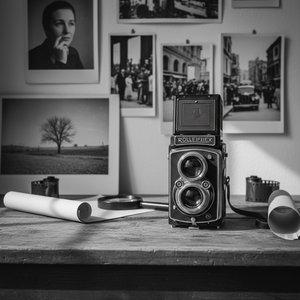
Monochrome Visions: Exploring the Aesthetic & Historical Significance of Black & White Photography
Explore the rich history & artistic power of black and white photography. From early techniques to iconic masters like Ansel Adams, discover why monochrome continues to captivate art lovers today. Expert insights for collectors.