


 Vezi în context
 Trimite
 Distribuie
 Detalii
 Guide
Guide

 Descarcă
 Produse similare
 Radiografie
 Diaporama
 Statistici
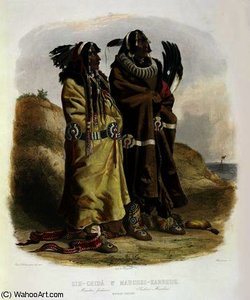
Idols of the Mandan Indians, plate 25 from volume 2 of `Travels in the Interior of North America'


 Citește mai mult
Reproducere pictată manual în ulei
Pictură în ulei pe pânză, realizată manual de artiștii noștri la dimensiunea și ramele dorite de dumneavoastră, pe comandă. ( Comută pe versiunea Print Treci la imagine digitală)




P118B $10

P118H $10

P118W $10

P438Z $10

P508JH $12

P508YH $12

P805H $10

P805Z $10

P919BZ $10

P919G $10

P919XJ $10

P959ZH $10

P968JZ $12

W106C $8

W218G $10

W218JH $8

W218Y $10

W307PJ $10

W316G $10

W316PJ $8

W316Y $10

W398PJ $8

W4111J $10

W500HY $15

W500JH $15

W692G $12

W849H $8

W940BG $15

W953PJ $8




Alegeți dintre dimensiunile noastre prestabilite, care respectă proporțiile originale ale operei de artă.

Puteți introduce propriile dimensiuni pentru a se potrivi unui anumit cadru sau spațiu. Dacă dimensiunea selectată nu corespunde proporțiilor imaginii originale, vom decupa opera de artă sau vom extinde pictura cu elemente suplimentare pictate manual. O simulare digitală vă va fi trimisă pentru aprobare înainte de începerea producției.
Vă rugăm să rețineți că previzualizarea de pe ecran nu reflectă decuparea sau extinderea reală. Doar macheta va arăta cu exactitate compoziția finală.
Deși sunt disponibile dimensiuni personalizate, vă recomandăm să selectați o dimensiune din lista predefinită pentru a păstra proporțiile originale.
După plasarea comenzii, echipa AllPaintingsStore.com va contacta clientul prin e-mail pentru instrucțiuni și îi va furniza o previzualizare a machetei
Livrare în întreaga lume () în 3-4 săptămâni, în loc de cele 5 săptămâni standard. (21 Septembrie). Fără compromisuri în ceea ce privește calitatea.

Livrare expres gratuită la nivel mondial

Pânză de in premium

Asigurare completă pentru transport

Garanție de rambursare a taxelor vamale

Garanția fidelității culorilor

Politica de retur în 100 de zile (doar pentru defecte)

Garanție de rambursare 100%

Reducere pentru comenzi multiple
 Opțiunea cu sticlă este disponibilă doar pentru dimensiuni de sub 110 cm

Idols of the Mandan Indians, plate 25 from volume 2 of `Travels in the Interior of North America'
Tip de reproducere
Dimensiune reproducere
-


Preț total
$ 258
The Spirit Realm Captured on Canvas
Karl Bodmer’s “Idols of the Mandan Indians,” created in 1844, isn't merely a painting; it’s a meticulously rendered portal to a vanished world. Part of his ambitious ‘Travels in the Interior of North America’ series commissioned by Prince Maximilian zu Wied-Neuwied, this plate from volume two offers an intimate glimpse into the spiritual life and ceremonial practices of the Mandan people – a tribe whose story was tragically cut short by disease and displacement.

Romanticism and the Ethnographic Eye
Bodmer’s artistic style is firmly rooted in Romanticism, a movement characterized by an intense fascination with nature, emotion, and the exotic. Yet, unlike many Romantic artists who idealized the past, Bodmer approached his subject matter with a remarkable degree of respect and accuracy. He wasn't simply painting ‘Indians’; he was documenting a complex culture, striving to capture its essence through careful observation and detailed representation. The aquatint technique—a process involving etching on copper plates—allowed for subtle tonal variations and a rich, layered effect, perfectly suited to conveying the atmospheric quality of the Mandan landscape and the solemnity of their rituals.
The image features an aquatint style and showcases elements of Romanticism. It is displayed at the Joslyn Art Museum, located in Omaha, United States.
A Ceremony of Symbols
At the heart of the composition stands a Mandan man, his gaze directed towards the sky – perhaps contemplating the spirits that inhabited both the natural world and the sacred objects before him. Two imposing wooden poles, adorned with birds, dominate the scene. These are not mere decorations; they represent powerful totems, imbued with spiritual significance and serving as conduits to the spirit realm. The presence of other figures in the background—likely family members or attendants—suggests a communal event, a ceremony rich in tradition and deeply connected to the tribe’s cosmology. The placement of these poles is crucial – they are positioned within a landscape that feels both familiar and otherworldly, hinting at the delicate balance between the earthly and spiritual.
Echoes of a Lost People
The “Idols of the Mandan Indians” offers more than just a visual record; it’s a poignant reminder of a culture lost to time. The Mandan people, decimated by smallpox in the mid-19th century, vanished from the landscape, leaving behind only fragments of their history and traditions. Bodmer's work stands as one of the most valuable surviving depictions of their way of life – a testament to their intricate social structure, spiritual beliefs, and connection to the land. The painting invites us to contemplate the impact of European contact on Indigenous communities and the importance of preserving cultural heritage.
Bringing the Past to Life: Reproductions Available
Today, this powerful image is available as a high-quality reproduction, allowing you to bring a piece of this fascinating history into your home or office. Consider it not just a beautiful artwork, but a window into a lost world – a chance to connect with the spirit and resilience of the Mandan people.
Opere similare



Biografie artist
A Swiss Eye on the American West: The Life and Art of Karl Bodmer
Born in Zurich, Switzerland, in 1809, Johann Carl Bodmer – known to art history as Karl Bodmer – embarked on a path that would uniquely intertwine European Romanticism with the vanishing world of the North American frontier. His early life remains somewhat shrouded in mystery, yet it’s clear his artistic inclinations were nurtured from a young age through tutelage under his uncle, Johann Jakob Meier, a respected engraver. This foundational training instilled in Bodmer a meticulous attention to detail and a mastery of draftsmanship that would become hallmarks of his style. Initially gaining recognition for picturesque views of the Rhine and Moselle valleys, etched and published for the burgeoning tourist market, Bodmer’s talent soon caught the eye of Prince Maximilian zu Wied-Neuwied, a German aristocrat with a passion for natural history and ethnography. This encounter would irrevocably alter the course of Bodmer's career, propelling him into an adventure that would immortalize both himself and the cultures he encountered.Journey to the Missouri: Documenting a Vanishing World
In 1832, Bodmer joined Prince Maximilian on a daring expedition up the Missouri River, a journey undertaken with the ambitious goal of documenting the Native American tribes and landscapes of the American West. This was not merely an artistic commission; it was a scientific endeavor, and Bodmer’s role extended beyond that of a mere illustrator. He became a visual chronicler, tasked with capturing the essence of a world rapidly changing under the pressures of westward expansion. For two years, Bodmer meticulously recorded his observations in over 400 drawings and watercolors, depicting everything from sweeping landscapes to intimate portraits of individuals belonging to tribes such as the Mandan, Hidatsa, Sioux, and Blackfeet. His work stands apart for its remarkable accuracy and sensitivity; he didn’t simply portray these people as exotic subjects but sought to understand and represent their cultures with respect and dignity. The harsh realities of frontier life – disease, conflict, and cultural disruption – are subtly present in his depictions, lending a poignant weight to his artistic record. Päsesick-Kaskutäu, a delicate watercolor capturing the likeness of a young Hidatsa man, exemplifies Bodmer’s ability to convey both physical detail and psychological depth. The expedition faced numerous challenges – treacherous river currents, harsh weather conditions, and the constant threat of disease – yet Bodmer persevered, documenting every aspect of his journey with unwavering dedication.Artistic Style and Influences: Romanticism Meets Ethnography
Bodmer's artistic style is deeply rooted in the Romantic tradition, characterized by an emphasis on emotion, individualism, and a reverence for nature. However, his work transcends mere aesthetic beauty; it’s infused with a keen ethnographic sensibility. He wasn’t simply painting landscapes or portraits—he was creating visual documents of cultures facing imminent transformation. His compositions often feature carefully observed details of clothing, tools, and ceremonial objects, providing invaluable insights into the material culture of these tribes. The influence of earlier landscape painters like Caspar David Friedrich is evident in his dramatic skies and evocative use of light and shadow, while his portraiture reveals a sensitivity to human expression reminiscent of artists such as Jean-Auguste-Dominique Ingres. The combination of Romantic aesthetics with ethnographic precision makes Bodmer’s work truly unique. He skillfully balanced artistic license with scientific accuracy, creating images that are both visually compelling and historically significant. His meticulous attention to detail—from the intricate patterns on a Hidatsa warrior's headdress to the weathered faces of elderly Mandan chiefs—demonstrates a profound respect for the subjects he depicted.The Prince’s Expedition and its Legacy
Prince Maximilian, driven by his scientific curiosity and a desire to understand the origins of humanity, envisioned this expedition as more than just a sightseeing tour. He sought to document the customs, traditions, and social structures of the Native American tribes, believing that studying these cultures could shed light on the development of human civilization itself. Bodmer’s role was crucial in realizing this vision, serving not only as an artist but also as a keen observer and recorder of information. The expedition's journey took them through vast stretches of wilderness, encountering numerous tribes along the way. Bodmer diligently sketched and painted scenes of daily life—hunting parties, ceremonies, dwellings, and agricultural practices—providing a remarkably detailed record of these cultures before they were irrevocably altered by European settlement. His work also includes depictions of the landscape itself – the majestic Missouri River, the towering sandstone cliffs, and the vast prairies – capturing the raw beauty and untamed spirit of the American West. The expedition’s findings were later published in *Travels in the Interior of North America*, accompanied by Bodmer's stunning illustrations, which became a sensation in Europe.Rediscovery and Recognition
Despite the initial acclaim surrounding *Travels* and Bodmer’s artwork, his contributions remained largely unrecognized for decades after his death in 1893. The book was expensive and failed to gain widespread popularity, leading to financial hardship for both Maximilian and Bodmer. Bodmer eventually settled in Barbizon, France, joining the ranks of artists associated with the Barbizon school, known for their plein air painting and realistic depictions of rural life. While he continued to paint and exhibit his work, his contributions to American history were largely overlooked. It wasn’t until the 20th century that Bodmer's art began to receive the attention it deserved, thanks in part to scholarly research and exhibitions highlighting the importance of his documentation of Native American cultures. Today, his paintings and watercolors are celebrated as invaluable historical documents and masterpieces of Romantic art, offering a poignant glimpse into a vanishing world and a testament to the enduring legacy of a Swiss artist who dared to venture into the heart of the American frontier.- Bodmer’s work provides an unparalleled visual record of Native American life in the mid-19th century.
- His meticulous attention to detail reveals a deep respect for the cultures he documented.
- He stands as a significant figure in the history of both Romantic art and ethnography.

Karl Bodmer
1809 - 1893 , Elveția
Informații rapide
- Artistic Movement Or Style: Romanticism
- Date Of Birth: 1809
- Date Of Death: 1893
- Full Name: Karl Bodmer
- Nationality: Elvețian
- Notable Artworks:
- Päsesick-Kaskutäu
- Insula Schwanau
- Place Of Birth: Zurich, Elveția
Articole conexe

Capturing the Soul of Nature: A Journey Through the Sublime Majesty of American Romanticism
Explore the breathtaking beauty of American Romanticism. Discover how Hudson River School masters captured the sublime spirit of the wilderness through luminous oil landscapes and emotional depth. A journey into the soul of nature for the true art enthusiast.

George Catlin: Witnessing & Representing Indigenous Life on the American Frontier
Explore the captivating art of George Catlin, renowned for his vivid portraits & landscapes documenting Native American life on the frontier. Discover a vanishing world through stunning paintings and historical context.

Karl Bodmer: Capturing Indigenous Life & Landscapes of the American West
Explore the captivating art of Karl Bodmer, whose detailed paintings documented Indigenous life along the Missouri River in the 19th century. Discover his legacy and lasting impact on Western art history.

Grant Wood & American Regionalism: Identity, Myth & the Rural Landscape
Explore the world of Grant Wood & American Regionalism with AllPaintingsStore. Discover the symbolism behind 'American Gothic', recurring themes, and the movement's lasting impact on art history. High-quality reproductions available.
Shadow Catcher: Edward S. Curtis & the Ethnographic Portraiture of a Vanishing West
Explore the life & work of Edward S. Curtis, the 'Shadow Catcher,' and his groundbreaking photographic documentation of Native American cultures. Discover iconic images from *The North American Indian* and a critical look at his lasting legacy.

