1503. Acrylic On Canvas, 16.0 x 19.0 cm. Colecția Regală.

§ 1Catalogue data
 Acrylic On Canvas
- WallArt
- High Renaissance
 1503
1503- Renaissance
 16.0 x 19.0 cm
 Colecția Regală
§ 2Abstract
Descriere obiect de colecție
 Vezi mai mult
Biografie artist
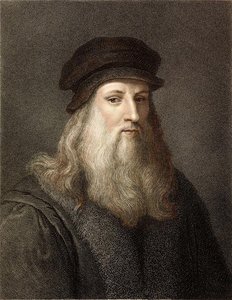
Explorează-l pe Leonardo da Vinci (1452-1519): geniul Renașterii din spatele Mona Lisa și a Sfântei Cine: Descoperă tehnica sfumato, studiile anatomice și invențiile sale revoluționare!
§ 3Commentary
A Cavalcade: Leonardo da Vinci’s Vision of Power and Movement
Leonardo da Vinci's “A Cavalcade,” executed in 1503, transcends mere depiction; it embodies the spirit of Renaissance Florence—a testament to humanist ideals intertwined with artistic ambition. This drawing, conceived as a preparatory study for an equestrian monument commissioned by Cesare Borgia, offers a glimpse into Da Vinci’s meticulous process and his profound understanding of human anatomy and movement.
- Subject Matter: The artwork portrays a procession of horsemen advancing from the right, symbolizing military might and royal authority. The central figure is flanked by others, creating a dynamic semicircle that captures the energy of a ceremonial event.
- Style & Technique: Da Vinci’s masterful draughtsmanship distinguishes this piece. Employing sfumato—a technique characterized by subtle gradations of tone—he achieves remarkable realism in capturing the musculature and posture of the horses and riders. The delicate lines convey an impression of effortless grace, reflecting Da Vinci's fascination with observation and scientific accuracy.
- Historical Context: Created during Borgia’s reign, “A Cavalcade” reflects the political landscape of Italy at the time—a period marked by ambition, patronage, and competition among noble families. The monument was intended to commemorate Borgia’s military victories and solidify his position as ruler.
- Symbolism: The banners streaming from the horsemen represent heraldry and allegiance, reinforcing the message of power and prestige. The lance points upwards, symbolizing faith and righteousness—a common motif in Renaissance art reflecting humanist beliefs about virtue and moral leadership.
- Emotional Impact: Despite its monochrome palette, “A Cavalcade” evokes a palpable sense of movement and grandeur. Da Vinci’s careful attention to detail invites contemplation on the human condition and celebrates the beauty of idealized form—a timeless reminder of the Renaissance fascination with classical ideals and artistic excellence.
This drawing serves as an invaluable insight into Da Vinci's creative process, demonstrating his dedication to anatomical study and his pursuit of perfection. Its subtle nuances and masterful execution continue to inspire artists and collectors alike.
Întrebări și răspunsuri
Ce vârstă avea Leonardo Da Vinci când a creat "A cavalcade" în 1503?
Când „A cavalcade” a fost creat în 1503, Leonardo Da Vinci – născut în 1452 – avea 51 ani.
Care este luminozitatea percepută a lucrării "A cavalcade" de Leonardo Da Vinci?
Luminozitatea percepută a operei "A cavalcade" de Leonardo Da Vinci este brilliant. Aceasta poate fi adaptată la lumina spațiului în care va fi expusă.
Din ce stil face parte "A cavalcade"?
"A cavalcade" de Leonardo Da Vinci face parte din mișcarea High Renaissance. Acest curent oferă contextul stilistic al operei.


 Comută pe versiunea Print


 Pentru opere de artă sau reproduceri care depășesc 105 cm (aproximativ 41 de inch) pe oricare dintre laturi, cadrul va fi livrat demontat, sub formă de kit. Această metodă asigură o livrare sigură și previne deteriorarea în timpul transportului.