Acrylic On Canvas.

§ 1Catalogue data

§ 2Abstract
Descriere obiect de colecție
 Vezi mai mult
Biografie artist
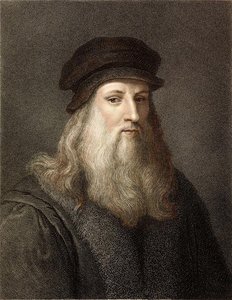
Explorează-l pe Leonardo da Vinci (1452-1519): geniul Renașterii din spatele Mona Lisa și a Sfântei Cine: Descoperă tehnica sfumato, studiile anatomice și invențiile sale revoluționare!
§ 3Commentary
Codiceuccelli: A Fragment of Leonardo’s Obsession with Flight
Leonardo da Vinci's *Codice uccelli*, or “Book of Birds,” represents more than just a sketchbook; it embodies the very essence of his relentless pursuit of knowledge and understanding—a cornerstone of his unparalleled genius. Dating back to around 1505-1506, this manuscript offers a glimpse into Da Vinci’s meticulous observations of avian anatomy and behavior, reflecting his profound fascination with unlocking the secrets of flight.
Detailed Anatomical Studies: The Pursuit of Perfection
The drawings within *Codice uccelli* are astonishingly detailed, surpassing anything produced by his contemporaries. Leonardo painstakingly dissected birds—both freshly killed specimens and preserved skeletons—to meticulously document their musculature, bones, feathers, and skeletal structure. These studies weren’t merely academic exercises; they were driven by a desire to comprehend the mechanics of avian locomotion – a quest that would ultimately inform his own ambitious designs for flying machines.
A Gothic Influence: Decorative Elements & Artistic Style
Despite Da Vinci's groundbreaking scientific endeavors, *Codice uccelli* reveals an undeniable connection to Gothic art traditions. The sketchbook’s pages are adorned with decorative borders and intricate geometric patterns—characteristic of the Florentine Gothic style prevalent during his time. These embellishments underscore the importance of visual harmony and craftsmanship within Renaissance artistic practice, demonstrating Da Vinci's mastery of both disegno (drawing) and ornamento (decoration).
Symbolism of Flight: Beyond Mere Observation
The preoccupation with birds wasn’t simply a matter of scientific curiosity for Leonardo; it carried deeper symbolic significance. Throughout Western art history, flight has represented aspiration, transcendence, and liberation—themes that resonated powerfully within the humanist worldview of the Renaissance. Da Vinci's detailed depictions of birds served as inspiration for his inventions, symbolizing humanity's ambition to overcome earthly limitations and achieve a higher state of being.
Emotional Resonance: Capturing Nature’s Majesty
*Codice uccelli* transcends its scientific documentation role, conveying an undeniable emotional resonance. Leonardo’s masterful rendering captures the dynamism and beauty of birds in flight—a testament to his ability to translate observation into artistic expression. Viewing a high-quality reproduction allows one to appreciate not only Da Vinci's technical prowess but also his profound reverence for the natural world – a sentiment that continues to inspire artists and collectors alike.
Întrebări și răspunsuri
Unde pot descărca imaginea pentru "Codiceuccelli" de Leonardo Da Vinci?
Pentru "Codiceuccelli" este disponibil un download: pagina de Descărcare a operei oferă descărcare imagine digitală de înaltă rezoluție.
Cum se reflectă emoția în culorile din "Codiceuccelli" de Leonardo Da Vinci?
Paleta Neutrals a operei "Codiceuccelli" de Leonardo Da Vinci se armonizează cu tonul său Reflective. Culoarea este una dintre modalitățile prin care o lucrare transmite emoție.
Este "Codiceuccelli" de Leonardo Da Vinci în domeniul public și care este motivul?
„Codiceuccelli” de Leonardo Da Vinci este în domeniul public – drepturile de autor au expirat. Termenul de protecție a drepturilor de autor se calculează de la data decesului artistului, iar Leonardo Da Vinci a decedat în 1519.


 Comută pe versiunea Print


 Pentru opere de artă sau reproduceri care depășesc 105 cm (aproximativ 41 de inch) pe oricare dintre laturi, cadrul va fi livrat demontat, sub formă de kit. Această metodă asigură o livrare sigură și previne deteriorarea în timpul transportului.