


 Vezi în context
 Trimite
 Distribuie
 Detalii
 Ghidul

 Descarcă
 Produse similare
 Radiografie
 Diaporama
 Statistici
Coiul


 Citește mai mult
Lucrarea de artă afișată pe această pagină este protejată de legile privind drepturile de autor, ceea ce înseamnă că nu putem crea sau vinde în mod legal o reproducere identică. Această protecție este garantată prin acorduri internaționale, precum Convenția de la Berna și de legile naționale, inclusiv cele prevăzute de Legea dreptului de autor din S.U.A. – Titlul 17. Toate drepturile rezervate. Orice reproducere neautorizată este interzisă.
Această metodă respectă pe deplin reglementările privind drepturile de autor, deoarece nu implică copierea sau duplicarea operei protejate. În schimb, este o reinterpretare creativă – o pictură nouă, influențată de original, dar care nu este identică cu acesta.
Giclée / Imprimare artistică
Printuri giclée sau pe canvas de calitate muzeală, cu proces de producție rapid și opțiuni flexibile de finisare. ( Comandă pictură realizată manual Treci la imagine digitală)




P118B lei10

P118H lei10

P118W lei10

P438Z lei10

P508JH lei12

P508YH lei12

P805H lei10

P805Z lei10

P919BZ lei10

P919G lei10

P919XJ lei10

P959ZH lei10

P968JZ lei12

W106C lei8

W218G lei10

W218JH lei8

W218Y lei10

W307PJ lei10

W316G lei10

W316PJ lei8

W316Y lei10

W398PJ lei8

W4111J lei10

W500HY lei15

W500JH lei15

W692G lei12

W849H lei8

W940BG lei15

W953PJ lei8




Alegeți dintre dimensiunile noastre prestabilite, care respectă proporțiile originale ale operei de artă.

Introduceți lățimea și înălțimea de care aveți nevoie, pentru a se potrivi ramei sau peretelui dumneavoastră. O printare poate fi doar tăiată, niciodată extinsă dincolo de dimensiunea imaginii originale, astfel încât o dimensiune cu o formă diferită va pierde o parte din imagine. Vă trimitem o simulare digitală pentru aprobare înainte de a imprima orice. Imaginea afișată pe această pagină nu prezintă tăierea reală — doar simularea arată acest lucru.
Livrare în întreaga lume () în 2 săptămâni, în loc de cele 4/5 săptămâni standard. (23 Octombrie)

Livrare expres gratuită la nivel mondial

Pânză de in premium

Asigurare completă pentru transport

Garanție de rambursare a taxelor vamale

Garanția fidelității culorilor

Politica de retur în 100 de zile (doar pentru defecte)

Garanție de rambursare 100%

Reducere pentru comenzi multiple
 Opțiunea cu sticlă este disponibilă doar pentru dimensiuni de sub 110 cm

Coiul
Giclée / Imprimare artistică
Dimensiune reproducere
-


Preț total
lei 297
O Privire Profundă în ‘Coiotul’ de Marc Chagall – Un Simbol al Melancoliei și Al Nostrului Inimii
Marc Chagall, un artist cu o viziune unică și o capacitate remarcabilă de a transforma amintirile și emoțiile în opere de artă vibrante, ne oferă prin ‘Coiotul’ (1917) o fereastră spre sufletul său profund. Această pictură nu este doar o reprezentare a unui animal sălbatic; ea este un ecou al copilăriei sale în Vitebsk, Belarus, o mărturie a unei culturi și a unei experiențe umane pline de melancolie, speranță și o legătură intimă cu natura. Chagall, crescut într-un mediu evreiesc tradițional, a îmbinat elemente din folclorul său cu influențele moderne, creând un stil distinctiv ce amintește de visele și poveștile din copilărie. ‘Coiotul’ este o piesă centrală în evoluția sa artistică, marcând o trecere spre o explorare mai complexă a memoriei colective și a identității personale.Naïvismul și Limbajul Simbolic al Formelor
‘Coiotul’ se încadrează perfect în categoria Naivă sau Primitivistă a artei, un stil care respinge rigorile academice ale reprezentării tradiționale în favoarea unei expresii directe și intuitive. Chagall, fără o pregătire formală riguroasă, a îmbrățișat această libertate, permițând imaginației sale să ghideze forma și culoarea. Rezultatul este o pictură plină de farmec, care invită privitorul să se scufunde într-un univers guvernat de sentimente și amintiri, nu de realitatea fotografică. Distorsiunile intenționate ale formelor, perspectiva înclinată și liniile puternice sunt caracteristici definitorii ale acestui stil. Observați modul în care coiotul este redat – nu ca un animal realist, ci mai degrabă ca o entitate misterioasă, cu o expresie profundă și o prezență dominantă pe câmp.Un Dialog între Natură, Memorie și Folclor
Compoziția picturii este captivantă. Coiotul, figura centrală, domină scena, iar în spatele lui se află un peisaj simplificat, cu o casă modestă și un cer albastru intens. Această combinație creează un sentiment de intimitate și mister. Coiotul, animal puternic asociat cu folclorul evreiesc (adesea considerat un spirit protector sau un simbol al singurătății), pare să privească direct înspre privitor, creând o conexiune emoțională imediată. Casa, un element recurent în operele lui Chagall, nu reprezintă doar un loc de odihnă, ci și un simbol al apartenenței, al familiei și al tradiției. Alegerea culorilor – galbenul vibrant al coiotului contrastând cu albastrul profund al cerului – amplifică impactul emoțional al picturii, sugerând atât bucurie, cât și o ușoară tristețe.Simbolismul Profund și Rădăcinile Vitebsk
‘Coiotul’ este impregnat de simbolism, reflectând bogata cultură și experiențele lui Chagall din copilărie în Vitebsk. Coiotul, în folclorul evreiesc, era adesea asociat cu spiritul părinților morți, cu memoria celor dragi pierduți. În acest context, coiotul devine un simbol al legăturii dintre viață și moarte, dintre prezent și trecut. Casa simplă poate fi interpretată ca o metaforă a casei sufletului, a locului unde amintirile și emoțiile sunt stocate. Chagall nu doar reprezintă aceste elemente; le imbue cu semnificație profundă, creând o pictură care transcende realitatea vizuală și atinge nivelul emoțional și spiritual.O Piesă de Colecție Inspiratoare și O Alegere Perfectă pentru Spații Interioare
‘Coiotul’ este o piesă de artă remarcabilă, ideală pentru colecționarii care caută exemple iconice ale Naivismului. Este, de asemenea, o alegere excelentă pentru interior designeri care doresc să creeze spații vizualmente atractive și emoțional rezonante. Această pictură nu este doar o operă de artă; este o invitație la reflecție, un apel către amintiri și o celebrare a frumuseții ascunsă în simplitate. O puteți admira ca pe o piesă centrală într-un salon, sau ca pe un element discret care aduce o notă de mister și emoție unei camere.- Ideală pentru colecționari care apreciază arta Naivă și Primitivistă.
- O piesă de artă statement perfectă pentru interior designeri care doresc să creeze spații cu un impact vizual puternic și o atmosferă emoțională bogată.
- O inspirație excelentă pentru iubitorii de artă interesați de intersecția dintre memorie, folclor și modernism.
A Life Painted in Dreams: The World of Marc Chagall
Marc Chagall, born Moishe Shagal in 1887 in the small Belarussian town of Liozna near Vitebsk, wasn’t merely a painter; he was a poet of color, a weaver of dreams, and a chronicler of memory. His life, spanning nearly a century, mirrored the tumultuous currents of the 20th century, yet his art remained steadfastly rooted in a deeply personal vision—one infused with the folklore of his Hasidic Jewish upbringing and an unwavering belief in the power of imagination. Vitebsk itself was more than just a birthplace; it became the emotional core of his artistic universe, a recurring motif populated by flying figures, whimsical animals, and the vibrant hues of remembered landscapes. The town’s unique blend of cultures—Russian Orthodox churches alongside bustling Jewish marketplaces—forged an aesthetic sensibility that would defy easy categorization throughout his long career. Though he sought formal traÎntrebări și răspunsuri
Pot vedea "Coiul" de Marc Chagall sub diferite lumini?
Vizualizarea X-Ray a operei "Coiul" de Marc Chagall se regăsește pe pagina Raze X a lucrării: o examinare interactivă a imaginii prin eleven straturi optice.
Despre ce este "Coiul" și ce atmosferă transmite?
„Coiul” prezintă belarusian folklore, rural life, symbolism, distorted faces, cubist influence, memory, childhood, iar atmosfera sa este Mistic.
În ce perioadă a fost creată "Coiul" de Marc Chagall?
Perioada istorică a operei "Coiul" de Marc Chagall este Modern. Această clasificare plasează lucrarea în contextul istoriei artei.
Opere similare


Biografie artist
A Life Painted in Dreams: The World of Marc Chagall
Marc Chagall, born Moishe Shagal in 1887 in the small Belarussian town of Liozna near Vitebsk, wasn’t merely a painter; he was a poet of color, a weaver of dreams, and a chronicler of memory. His life, spanning nearly a century, mirrored the tumultuous currents of the 20th century, yet his art remained steadfastly rooted in a deeply personal vision—one infused with the folklore of his Hasidic Jewish upbringing and an unwavering belief in the power of imagination. Vitebsk itself was more than just a birthplace; it became the emotional core of his artistic universe, a recurring motif populated by flying figures, whimsical animals, and the vibrant hues of remembered landscapes. The town’s unique blend of cultures—Russian Orthodox churches alongside bustling Jewish marketplaces—forged an aesthetic sensibility that would defy easy categorization throughout his long career. Though he sought formal training first with a local sign painter and later in St. Petersburg under Léon Bakst, and then in Paris at the Académie de la Grande Chaumière, Chagall never fully embraced any single artistic movement. He absorbed elements of Cubism, Symbolism, and Fauvism, but always filtered them through his own intensely personal lens, creating a style that was uniquely, unmistakably Chagall.Early Years and Artistic Beginnings
Chagall’s formative years were marked by hardship and displacement. Born into a family of impoverished Jewish artisans, he experienced the trauma of pogroms—violent anti-Jewish riots—which instilled in him a profound awareness of persecution and loss. Despite these challenges, he pursued his artistic ambitions with unwavering determination, initially studying sign painting before enrolling at St. Petersburg’s Imperial Academy of Arts. However, he quickly rejected the academic conventions of the time, preferring to explore alternative approaches to representation. His early canvases—works like I and the Village (1911)—already demonstrated his distinctive style: fragmented landscapes imbued with symbolic meaning, figures rendered in a stylized manner that defied realistic proportions, and a palette dominated by bold, expressive colors. This stylistic choice wasn’t merely aesthetic; it reflected Chagall's desire to convey emotion rather than simply depicting the external world. He sought to capture the essence of experience—the weight of memory—and to express his inner life through visual imagery.The Symbolist Influence and Vitebsk
Chagall’s artistic development was profoundly shaped by Symbolism, a movement that prioritized emotional expression over literal depiction. Artists like Gustave Moreau and Edvard Munch served as important influences, encouraging him to embrace dreamlike imagery and explore the subconscious mind. Vitebsk remained an enduring presence in Chagall's imagination—a town he revisited repeatedly throughout his life, both physically and artistically. The juxtaposition of Orthodox churches and Jewish marketplaces became a recurring motif in his paintings, symbolizing the tensions between tradition and modernity that characterized Russian Jewish culture. This visual language—characterized by flattened perspectives, stylized figures, and fantastical landscapes—became synonymous with Chagall’s artistic vision.The Revolution and Parisian Years
The Russian Revolution of 1917 irrevocably altered Chagall's life trajectory. He returned to Vitebsk, where he established an art school that briefly flourished before succumbing to the pressures of Soviet repression. This period was marked by both creative energy and political disillusionment—a tension that would continue to inform his artistic output. Simultaneously, Chagall moved to Paris in 1923, immersing himself in the vibrant cultural landscape of the city and engaging with fellow Surrealists like André Breton and Pablo Picasso. He experimented with new techniques and explored themes related to mythology and folklore, solidifying his reputation as a visionary artist.Mature Style and Major Achievements
Chagall’s mature style—characterized by lyrical abstraction and emotionally charged imagery—reached its zenith in the 1930s and 1940s. Paintings like Over Vitebsk (1920-1922) exemplify his masterful blending of Cubist influences with Symbolist sensibilities, creating canvases that are both intellectually stimulating and profoundly moving. The horrors of World War II prompted him to relocate to New York City, where he continued to produce monumental works—including The Four Seasons (1946-1948)—that captured the anxieties of the era while reaffirming his belief in beauty and transcendence. He received numerous prestigious commissions, including the ceiling of the Paris Opera (1964), a breathtaking spectacle of color and form that celebrated musical masterpieces. Chagall’s legacy extends beyond his paintings; he became an internationally recognized icon—a symbol of Jewish culture and artistic innovation—whose work continues to inspire artists and audiences alike. His enduring influence testifies to the power of art to transcend boundaries, to connect us to our shared humanity, and to illuminate the beauty and mystery of life.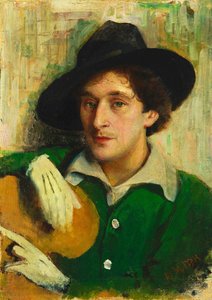
Marc Chagall
1887 - 1985 , Білорусь
Informații rapide
- Artistic Movement Or Style: Cubism și simbolism
- Artists Or Movements Influenced By Acest Artist: ['Surrealism']
- Artists Who Influenced This Artist:
- Bakst
- Delaunay
- Date Of Birth: 6 iulie 1887
- Date Of Death: 28 martie 1985
- Full Name: Marc Chagall
- Nationality: Rusă (acum Belarus)
- Notable Artworks:
- I și Orașul
- În Vinovație
- Place Of Birth: Liozna, Belarus
Articole conexe

Raw, Bold, Unfiltered: Why Naive Art is the Ultimate Vibe for Your Space
Ditch the boring decor. Discover why Naive Art's raw, bold, and unfiltered aesthetic is the ultimate trend for modern urban spaces. Learn how to use vibrant colors and unstudied sincerity to create a high-impact, authentic vibe in your home or studio.

The Pure Charm of Naïve Art: Finding Beauty in Simplicity, Soul, and the Unfiltered Vision
Discover the profound beauty of Naïve Art. Explore how self-taught masters bypass academic tradition to capture raw emotional truth through vibrant color and soulful simplicity. A cultural journey for the true art lover seeking depth beyond convention.

The Untamed Vision: Exploring Naïve Art & Primitivism's Rejection of Convention
Explore the revolutionary world of Naïve Art & Primitivism! Discover how artists challenged academic traditions with raw emotion & unique styles. Learn about Picasso, Rousseau & more at AllPaintingsStore.

Expresionismul German: 10 Capodopere Iconice pentru Decoruri de Artă
Descoperă cele mai importante 10 capodopere ale Expresionismului German! Explorează poveștile din spatele picturilor Kandinsky, Munch și Kirchner. Reproduceri de artă premium pentru un decor unic pe AllPaintingsStore.com

Primitivism Unveiled: How Raw Expression and Aesthetic Idealization Redefined Modern Art History
Explore the profound impact of Primitivism on modern art history. Discover how masters like Gauguin and Rousseau utilized raw expression and aesthetic idealization to redefine the boundaries of Western painting and shape the evolution of the avant-garde movement.


