


 Previzualizare
 Trimite prin felicitare
 Distribuie
 Detalii despre lucrare
 Ghid
Ghid

 Descarcă imaginea
 Produse similare
 Radiografie
 Galerie foto
 Statistici
Annunciation
 Oil On Panel
- Gothic Early Renaissance
 1345
1345 41.0 x 22.0 cm
 Muzeul Luvru
 Vezi mai mult
Giclée / Imprimare artistică
Printuri giclée sau pe canvas de calitate muzeală, cu proces de producție rapid și opțiuni flexibile de finisare. ( Comandă pictură realizată manual Comută pe Imagine Digitală)




P118B lei10

P118H lei10

P118W lei10

P438Z lei10

P508JH lei12

P508YH lei12

P805H lei10

P805Z lei10

P919BZ lei10

P919G lei10

P919XJ lei10

P959ZH lei10

P968JZ lei12

W106C lei8

W218G lei10

W218JH lei8

W218Y lei10

W307PJ lei10

W316G lei10

W316PJ lei8

W316Y lei10

W398PJ lei8

W4111J lei10

W500HY lei15

W500JH lei15

W692G lei12

W849H lei8

W940BG lei15

W953PJ lei8




Alegeți dintre dimensiunile noastre prestabilite, care respectă proporțiile originale ale operei de artă.

Introduceți lățimea și înălțimea necesare pentru a se potrivi ramei sau peretelui dumneavoastră. O printare poate fi doar tăiată, niciodată extinsă dincolo de dimensiunea imaginii originale, astfel încât o dimensiune cu o formă diferită va pierde o parte din imagine. Vă trimitem o simulare digitală pentru aprobare înainte de a imprima orice. Imaginea afișată pe această pagină nu prezintă tăierea reală — doar simularea arată acest lucru.
Livrare în întreaga lume () în 2 săptămâni, în loc de cele 4/5 săptămâni standard. (28 Octombrie)

Livrare expres gratuită la nivel mondial

Pânză de in de înaltă calitate

Asigurare completă pentru transport

Garanție de rambursare a taxelor vamale

Garanția fidelității culorilor

Politica de retur în 100 de zile (doar pentru defecte de fabricație)

Garanție de rambursare 100%

Ofertă pentru comenzi multiple
 Opțiunea cu sticlă este disponibilă doar pentru dimensiuni de sub 110 cm

Annunciation
Giclée / Imprimare artistică
Dimensiune reproducere
-


Preț total calculat
lei 297
The Serene Revelation: Matteo Giovanetti’s Annunciation
Matteo Giovanetti's Annunciation, painted around 1345 in Viterbo, Italy, is more than just a depiction of a pivotal biblical moment; it’s a poignant meditation on faith, humility, and the miraculous. This exquisite wooden panel, now residing within the hallowed halls of the Louvre Museum in Paris, offers a rare glimpse into the burgeoning artistic spirit of early Renaissance Italy – a period marked by both fervent religious devotion and a nascent exploration of naturalism.
The painting immediately draws the viewer into its carefully constructed composition. Giovanetti masterfully divides the scene into two distinct triangular zones, mirroring the duality inherent in the Annunciation itself: the earthly realm of Mary and the divine intervention of the Archangel Gabriel. The angel, rendered in profile with wings outstretched and a halo radiating an ethereal glow, dominates the left-hand triangle. His gesture – a pointing hand towards the expectant Virgin – is both commanding and gentle, conveying the weight of the momentous news he carries. Mary, positioned within the right triangle, appears serene yet profoundly moved; her posture suggests contemplation and acceptance as she receives Gabriel’s message.
A Gothic Foundation, Renaissance Echoes
Giovanetti's style is deeply rooted in the traditions of Gothic art, particularly evident in the bold outlines, vibrant colors – primarily reds, blues, and golds – and the emphasis on symbolic representation. However, subtle shifts towards a more naturalistic approach foreshadow the stylistic developments that would characterize the High Renaissance. The figures possess a certain solidity and volume, moving beyond the stylized forms often found in earlier Gothic works. The use of light is particularly effective, illuminating Mary’s face and highlighting the angel's radiant halo, creating a sense of divine presence.
Despite its adherence to established conventions, the Annunciation also reveals Giovanetti’s innovative spirit. The background remains deliberately simple – a plain red ground for the angel’s section and a similar hue for Mary’s – avoiding elaborate architectural details or distracting landscapes. This minimalist approach focuses attention squarely on the central figures and their interaction, reinforcing the painting's spiritual message.
Symbolism Woven into the Narrative
Every element within this Annunciation is laden with symbolic meaning. The scroll held by the angel represents divine knowledge and the promise of salvation through Christ’s birth. Mary’s book symbolizes her role as a vessel for God's grace, while the halos surrounding both figures signify their holiness and connection to the divine realm. The carefully chosen colors – red representing passion and sacrifice, blue symbolizing heaven and faith – further enhance the painting’s symbolic richness.
Notably, the absence of any explicit depiction of the infant Jesus is deliberate. Giovanetti wisely avoids prematurely revealing the culmination of this miraculous event, allowing the viewer to contemplate the profound implications of Mary's acceptance of God’s will. The scene is a moment of anticipation, a silent promise of future glory.
A Masterpiece Preserved – and Reproduced
The Annunciation by Matteo Giovanetti stands as a testament to the artist’s skill and his deep understanding of religious iconography. Its enduring appeal lies not only in its technical brilliance but also in its ability to evoke a sense of wonder, reverence, and profound human emotion. Today, reproductions of this iconic work offer art enthusiasts and interior designers alike an opportunity to bring this timeless masterpiece into their homes, allowing them to experience the serenity and spiritual depth of Giovanetti’s vision.
For further exploration of Matteo Giovanetti's life and works, please visit AllPaintingsStore. You may also find inspiration in the works of Jacobello Del Fiore and Leonardo Da Vinci, accessible through links provided above.
Întrebări și răspunsuri
Cum se îmbină contrastul și armonia în "Annunciation"?
Analiza cromatică a operei "Annunciation" de Matteo Giovanetti relevă un Bold contrast și o Unified Palette armonie.
Ce dimensiune de reproducere se recomandă pentru "Annunciation" de Matteo Giovanetti?
Dimensiunea de imprimare recomandată pentru "Annunciation" de Matteo Giovanetti este Medium.
În ce an a fost creată „Annunciation”?
„Annunciation” datează din 1345. Această dată plasează lucrarea în cadrul carierei lui Matteo Giovanetti și în contextul epocii sale.
Opere similare


Biografie artist
The Sacred Vision of Matteo Giovanetti
In the heart of fourteenth-century Italy, amidst the spiritual awakening of the early Renaissance, the name Matteo Giovanetti emerged as a beacon of devotional mastery. Born around 1300 in the historic city of Viterbo, Giovanetti was more than a mere painter; he was a visual theologian whose brush captured the profound intersection of human emotion and divine grace. While much of his personal history remains shrouded in the mists of the medieval era—with biographical fragments often found only within papal correspondence—his artistic presence is undeniably monumental. His life’s work serves as a vital bridge between the rigid, symbolic traditions of the Gothic period and the burgeoning naturalism that would soon define the Italian Renaissance.
The development of Giovan andetti's style suggests a profound intellectual and spiritual journey. It is widely believed by scholars that his training was deeply rooted in both theological study and rigorous artistic apprenticeship. This dual education allowed him to infuse his compositions with a layer of scriptural depth that resonated with the clergy and common folk alike. By absorbing the stylistic currents flowing from the great masters of Tuscany and Umbria, Giovanetti began to synthesize a unique visual language. He drew inspiration from the monumental weight and structural clarity of Giotto di Bondone, while simultaneously embracing the lyrical elegance and refined grace found in the works of Simone Martini. This delicate balance between strength and delicacy became the hallmark of his creative identity.
Masterpieces of Devotion and Light
The legacy of Matteo Giovanetti is anchored by two extraordinary altarpieces that continue to captivate the modern imagination. His Annunciation, dated to approximately 1345, stands as a breathtaking testament to his ability to render the miraculous. In this work, the moment of Mary’s acceptance of Gabriel’s message is captured with a poignant stillness. Through his use of simplified drapery and a controlled, flattened perspective, Giovanetti directs the viewer's gaze toward the spiritual gravity of the encounter. The painting does not merely depict a scene; it invites the faithful into a sacred dialogue, utilizing light and form to evoke the very essence of divine intervention.
Equally significant is his masterpiece, St Hermagoras and a Donor St Fortunatus. This work offers an intimate window into the social and spiritual fabric of the fourteenth century. By depicting both a saintly figure and a human donor, Giovanetti achieves a rare sense of temporal continuity, bridging the gap between the heavenly realm and the earthly presence of his patrons. The painting is characterized by:
- Spiritual Reverence: A profound sense of piety that permeates every brushstroke.
- Technical Precision: An early mastery of detail that hints at the approaching Renaissance realism.
- Narrative Depth: The ability to weave complex theological themes into a single, cohesive visual experience.
Through these works, Giovanetti achieved a level of historical significance that transcends his era. He was a pioneer who helped transition the Italian landscape from the ornamental complexities of the Gothic style toward a more human-centric, expressive form of art. His ability to harmonize the ethereal with the tangible ensured that his altarpieces were not just objects of beauty, but essential instruments of worship and historical record.

Matteo Giovanetti
1322 - 1368 , Italy
Detalii rapide
- Full Name: Matteo Giovanetti da Viterbo
- Nationality: Italian
- Date Of Birth: 1322
- Date Of Death: 1368
- Place Of Birth: Viterbo, Italy
- Notable Artworks:
- Annunciation
- St Hermagoras and a Donor St Fortunatus
- Artistic Movement Or Style: Early Italian Renaissance
Articole similare
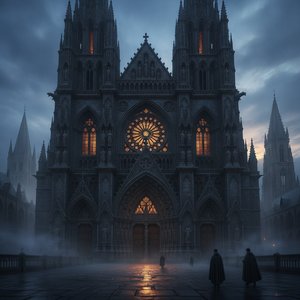
Gothic Art Guide for Hotel Designers: Leveraging Dramatic Shadows and Architectural Grandeur in Luxury Interiors
Elevate hospitality interiors with our expert guide to Gothic art. Discover how to leverage dramatic shadows, architectural grandeur, and high-end reproductions to create sophisticated, atmospheric hotel spaces that captivate guests.

