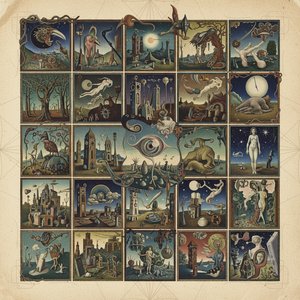
1913. , 80.0 x 67.0 cm.

§ 1Catalogue data

- 80.0 x 67.0 cm


Această lucrare este protejată de drepturile de autor
Lucrarea de artă afișată pe această pagină este protejată de legile privind drepturile de autor, ceea ce înseamnă că nu putem crea sau vinde în mod legal o reproducere identică. Această protecție este garantată prin acorduri internaționale, precum Convenția de la Berna și de legile naționale, inclusiv cele prevăzute de Legea dreptului de autor din S.U.A. – Titlul 17. Toate drepturile rezervate. Orice reproducere neautorizată este interzisă.
Ca alternativă respectuoasă și legală, oferim tablouri pictate manual, personalizate, inspirate de original. Artistii noștri experimentați și profesioniști studiază cu atenție stilul, starea de spirit și esența artistică a originalului pentru a crea o piesă nouă și unică, care evocă aceeași emoție – rămânând, în același timp, o creație originală în sine.
Această metodă respectă pe deplin reglementările privind drepturile de autor, deoarece nu implică copierea sau duplicarea operei protejate. În schimb, este o reinterpretare creativă – o pictură nouă, influențată de original, dar care nu este identică cu acesta.
 Citește mai mult
§ 2Abstract
Descriere obiect de colecție
Max Ernst’s haunting ‘Crucifixion,’ painted in 1913, embodies surrealist drama with its stark depiction of Jesus on the cross against a monumental castle backdrop—a powerful testament to Ernst's intellectual exploration and artistic vision. Explore this iconic masterpiece and bring it into your home.
Biografie artist
Descoperă universul suprarealist al lui Max Ernst (1891-1976)! Pionier Dada și maestru tehnici inovatoare precum frottajele și colajele, explorând psihicul prin opere simbolice și misterioase. #MaxErnst #Surrealism #Dada
§ 3Commentary
A Dramatic Encounter Between Faith and Fortress Walls
“Crucifixion,” painted by Max Ernst in 1913, isn’t merely a depiction of Jesus Christ on the cross; it's an arresting meditation on suffering, spirituality, and the confrontation between humanity and divine judgment. This monumental canvas—measuring 80 x 67 cm—immediately draws the eye with its stark composition and unsettling grandeur.
- Subject Matter: The central figure is Jesus Christ crucified, positioned prominently against a formidable castle-like structure. This architectural element isn’t simply decorative; it symbolizes authority, resilience, and perhaps even imprisonment – mirroring the spiritual struggle at the heart of the artwork.
- Style: Ernst's style aligns firmly within the burgeoning Surrealist movement. Rejecting rationalism and embracing dreamlike imagery, he employs techniques that prioritize subconscious exploration over literal representation. The painting eschews traditional perspective, favoring flattened planes and distorted forms to heighten emotional impact.
- Technique: Ernst utilized oil paint on canvas, applying a textured surface that contributes to the artwork’s palpable atmosphere. His brushstrokes are deliberate and expressive, conveying both meticulous observation and imaginative distortion. The artist skillfully blends colors—primarily muted browns and ochres—to create a palette that evokes feelings of solemnity and melancholy.
Historical Context: Seeds of Surrealism Bloom Amidst War Fears
Painted in the turbulent years leading up to World War I, “Crucifixion” reflects the anxieties and disillusionments prevalent within European intellectual circles at the time. Ernst’s fascination with psychoanalysis—particularly Sigmund Freud’s theories on dreams and unconscious desires—fueled his artistic impulse. Surrealism sought to liberate art from the constraints of reason, tapping into primal instincts and exploring the realm of irrationality as a pathway to truth.
- Symbolism: The castle backdrop serves as a potent symbol of oppression and confinement, representing not only earthly power but also spiritual limitations. Jesus’s outstretched arms symbolize humility and acceptance of suffering—a cornerstone of Christian theology. The angel figure, positioned high above the scene, embodies divine compassion and offers solace amidst despair.
- Emotional Impact: “Cruifixion” succeeds in conveying a profound sense of pathos. Ernst's masterful use of color and texture creates an immersive experience for the viewer, prompting contemplation on themes of mortality, faith, and redemption. The painting’s unsettling stillness amplifies its emotional resonance, inviting viewers to confront uncomfortable truths about human existence.
A Reproduction That Captures Essence
AllPaintingsStore.com offers exceptional reproductions of “Cruifixion,” meticulously crafted to faithfully reproduce Ernst's original vision. Utilizing archival-quality pigments and printing processes, our reproductions ensure vibrant color accuracy and enduring beauty—allowing art lovers everywhere to experience the power of this iconic masterpiece.
Întrebări și răspunsuri
Care este culoarea dominantă în "Crucifixion" de Max Ernst?
Culoarea care iese cel mai mult în evidență în "Crucifixion" este Phthalo Green (#2b2d3a). Culoarea dominantă este utilă atunci când asortați o operă de artă cu un interior.
Din ce țară provine lucrarea de Surrealist Expression „Crucifixion”?
Lucrarea de Surrealist Expression „Crucifixion” a fost creată de un artist născut în Germania.
Cum este descrisă paleta de culori din "Crucifixion" de Max Ernst?
Culorile din "Crucifixion" formează o paletă Earthy. Această clasificare descrie familiile de culori dominante.


 Comută pe versiunea Print


 Pentru opere de artă sau reproduceri care depășesc 105 cm (aproximativ 41 de inch) pe oricare dintre laturi, cadrul va fi livrat demontat, sub formă de kit. Această metodă asigură o livrare sigură și previne deteriorarea în timpul transportului.