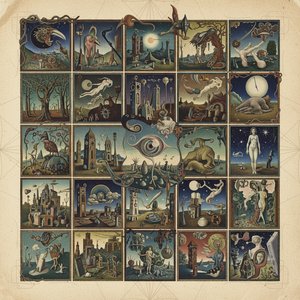
Lithograph.

§ 1Date catalog


Această lucrare este protejată de drepturile de autor
Lucrarea de artă afișată pe această pagină este protejată de legile privind drepturile de autor, ceea ce înseamnă că nu putem crea sau vinde în mod legal o reproducere identică. Această protecție este garantată prin acorduri internaționale, precum Convenția de la Berna și de legile naționale, inclusiv cele prevăzute de Legea dreptului de autor din S.U.A. – Titlul 17. Toate drepturile rezervate. Orice reproducere neautorizată este interzisă.
Ca alternativă respectuoasă și legală, oferim tablouri pictate manual, personalizate, inspirate de original. Artistii noștri experimentați și profesioniști studiază cu atenție stilul, starea de spirit și esența artistică a originalului pentru a crea o piesă nouă și unică, care evocă aceeași emoție – rămânând, în același timp, o creație originală în sine.
Această metodă respectă pe deplin reglementările privind drepturile de autor, deoarece nu implică copierea sau duplicarea operei protejate. În schimb, este o reinterpretare creativă – o pictură nouă, influențată de original, dar care nu este identică cu acesta.
 Citește mai mult
§ 2Abstract
Descriere obiect de colecție
Senza titolo by Max Ernst: A surreal lithograph featuring books, snakes, and circles – explore its symbolism and discover more about Ernst’s groundbreaking artistic vision.
Biografie artist
Descoperă universul suprarealist al lui Max Ernst (1891-1976)! Pionier Dada și maestru tehnici inovatoare precum frottajele și colajele, explorând psihicul prin opere simbolice și misterioase. #MaxErnst #Surrealism #Dada
§ 3Comentariu
A Descent into the Surrealist Labyrinth
To encounter Max Ernst’s “Senza titolo” is to step beyond the threshold of the rational world and enter a psychological landscape where the boundaries of reality begin to dissolve. Created in 1925, this evocative lithograph serves as a profound window into the mind of one of the twentieth century's most influential architects of the subconscious. Emerging from the intellectual tremors of the post-World War I era, Ernst utilized his art to navigate the wreckage of societal norms, drawing deeply from the burgeoning field of psychoanalysis. The work does not merely present a scene; it orchestrates an encounter with the uncanny, inviting viewers to wander through a dreamscape where every shadow and shape whispers of hidden truths and repressed desires.
The composition is a masterclass in what might be described as calculated chaos. At first glance, the eye is drawn to a collection of seemingly familiar objects—books, snakes, and geometric motifs—yet their arrangement defies the comfort of logic. Ernst employs a meticulous technique, utilizing fine hatching and precise contours that lend a startling sense of tactile reality to each element. This precision, however, is used to heighten the unsettling nature of the spatial arrangement. Books lean precariously against one another as if on the verge of collapse, creating an atmosphere of profound instability. A snake coils diagonally across the canvas, its movement disrupting linear perspective and injecting a primal, visceral tension into the scene. It is this very juxtaposition—the hyper-realistic rendering of objects set within an impossible, fractured space—that defines the haunting allure of Ernst’s Surrealist vision.
Symbolism and the Architecture of Dreams
Beneath the surface of this intricate arrangement lies a dense web of Freudian symbolism. For the discerning collector or art enthusiast, “Senza titolo” offers a rich tapestry of meaning to decode. The books, often representing the weight of human knowledge and intellectual pursuit, are depicted in a state of precarious balance, perhaps suggesting the fragility of reason when confronted by the overwhelming power of the irrational. The serpent, a recurring motif in Ernst’s oeuvre, acts as a potent symbol of instinctual drives—representing transformation, danger, and the untamed sexuality that resides within the human psyche. Even the circular motif at the periphery serves to anchor the viewer within a cyclical, dream-like logic that transcends time.
For those looking to integrate such a profound piece into a curated interior, “Senza titolo” provides an unparalleled focal point of intellectual depth and aesthetic intrigue. Whether displayed in a modern gallery-style setting or as a conversation piece within a sophisticated study, the artwork commands attention through its ability to provoke contemplation. It is more than a mere decoration; it is an invitation to explore the textures of the mind. A high-quality reproduction of this masterpiece allows the subtle nuances of Ernst’s hatching and the dramatic tonal variations to shine, bringing the restless, beautiful energy of the Surrealist movement into the contemporary home.
Întrebări și răspunsuri
Care sunt culorile dominante în "Senza titolo" de Max Ernst?
Identitatea cromatică a operei "Senza titolo" de Max Ernst: o paletă Pastels, dominată de Putty (#eed4b7).
Cine a creat "Senza titolo"?
Artistul din spatele operei „Senza titolo” este Max Ernst. Lucrarea este catalogată sub numele lui Max Ernst.
Există un ghid pentru "Senza titolo" de Max Ernst?
Pagina Fișă informativă pentru "Senza titolo" de Max Ernst oferă o fișă informativă imprimabilă în două pagini: opera de artă însoțită de tabelul său de identificare, o bandă decenală care o plasează în intervalul de viață al artistului, alte lucrări ale acestuia, paleta de culori extrasă din imagine și citări gata de copiat în patru stiluri diferite.



 Comută pe versiunea Print


 Pentru opere de artă sau reproduceri care depășesc 105 cm (aproximativ 41 de inch) pe oricare dintre laturi, cadrul va fi livrat demontat, sub formă de kit. Această metodă asigură o livrare sigură și previne deteriorarea în timpul transportului.