

Acrylic On Canvas.

§ 1Date catalog

Această lucrare este protejată de drepturile de autor
Lucrarea de artă afișată pe această pagină este protejată de legile privind drepturile de autor, ceea ce înseamnă că nu putem crea sau vinde în mod legal o reproducere identică. Această protecție este garantată prin acorduri internaționale, precum Convenția de la Berna și de legile naționale, inclusiv cele prevăzute de Legea dreptului de autor din S.U.A. – Titlul 17. Toate drepturile rezervate. Orice reproducere neautorizată este interzisă.
Ca alternativă respectuoasă și legală, oferim tablouri pictate manual, personalizate, inspirate de original. Artistii noștri experimentați și profesioniști studiază cu atenție stilul, starea de spirit și esența artistică a originalului pentru a crea o piesă nouă și unică, care evocă aceeași emoție – rămânând, în același timp, o creație originală în sine.
Această metodă respectă pe deplin reglementările privind drepturile de autor, deoarece nu implică copierea sau duplicarea operei protejate. În schimb, este o reinterpretare creativă – o pictură nouă, influențată de original, dar care nu este identică cu acesta.
 Citește mai mult
§ 2Abstract
Descriere obiect de colecție
Explore the surrealist worlds of Max Ernst, Yves Tanguy & Urs Fischer. Swiss artist Urs Fischer creates playful sculptures, photography & more – discover his unique vision.
Biografie artist
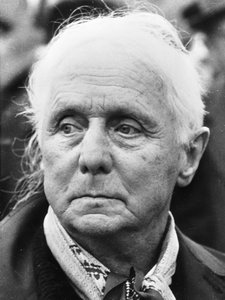
Descoperă universul suprarealist al lui Max Ernst (1891-1976)! Pionier Dada și maestru tehnici inovatoare precum frottajele și colajele, explorând psihicul prin opere simbolice și misterioase. #MaxErnst #Surrealism #Dada
§ 3Comentariu
A Fragmented Portrait of Surrealist Vision: Exploring Max Ernst’s “Tête”
The artwork presents a strikingly unconventional portrait – “Tête,” or “Head”—by German-born artist Max Ernst, embodying the core tenets of Surrealism. More than just a depiction of facial features, it's an ambitious experiment in visual language, reflecting Ernst’s profound engagement with psychoanalysis and his relentless pursuit of subconscious imagery. The piece immediately captivates viewers with its deliberate disruption of traditional artistic conventions, inviting contemplation on themes of identity and psychological distortion.Composition and Form: Deconstruction as Artistic Expression
At first glance, “Tête” appears chaotic—a whirlwind of geometric shapes arranged in a seemingly random configuration. However, beneath this surface turbulence lies a carefully considered compositional strategy. Dominating the canvas is a central head form constructed primarily from triangles and rectangles, meticulously overlapping and intersecting to obscure and reveal portions of the face. This fracturing effect isn’t merely decorative; it symbolizes Ernst's fascination with dismantling familiar forms and confronting the irrational forces that govern human consciousness. The absence of discernible background reinforces this sense of isolation and emphasizes the portrait’s focus on internal psychological states.Color Palette and Texture: Monochromatic Echoes of Melancholy
The artwork employs a remarkably restrained color palette—predominantly monochromatic hues of white, grey, and beige punctuated by subtle browns. This deliberate limitation contributes significantly to “Tête”'s atmosphere of quiet contemplation and understated melancholy. Ernst’s artistic choices mirror the influence of Surrealist thinkers like André Breton who championed monochrome as a tool for accessing the subconscious mind. The smooth surface texture suggests a painted medium—likely oil paints—though subtle tonal variations create an illusion of depth, hinting at Ernst’s masterful manipulation of light and shadow to convey emotional nuance.Technique: Collage and Frottage – Embracing Chance
Ernst's artistic approach distinguishes him from many of his contemporaries; he eschewed formal training in favor of self-discovery and experimentation. “Tête” exemplifies his innovative techniques, notably collage and frottage—methods that harness chance and serendipity to generate unexpected visual results. Ernst’s technique involved transferring textures from found objects onto canvas using a process called grattage, scraping paint across the surface to reveal imprints of beneath. This method reflects Ernst's belief in liberating artistic expression from rational constraints and tapping into primal instincts—a cornerstone of Surrealist ideology. The resulting image is not merely painted; it’s imbued with the spirit of improvisation and discovery.Historical Context and Symbolic Resonance: Reflections on Identity Crisis
Created during the height of the Surrealist movement (1929), “Tête” speaks to the broader anxieties surrounding postwar Europe—a period marked by disillusionment, trauma, and a questioning of established values. Ernst’s work aligns with Surrealists' exploration of dreams, irrationality, and the subconscious as sources of artistic inspiration. The fragmented head form itself embodies themes of identity crisis and psychological disintegration—recurring motifs in Surrealist art that grapple with existential questions about human existence. Ultimately, “Tête” transcends its formal elements to offer a powerful meditation on the complexities of the human psyche and the elusive nature of selfhood.Întrebări și răspunsuri
Cine este autorul operei "Tête" și din ce curent artistic face parte?
"Tête" a fost creat de Max Ernst, în stilul Surrealist Movement. Artistul și mișcarea definesc tradiția acestei opere.
Ce dimensiune de imprimare este recomandată pentru "Tête"?
Pentru "Tête" de Max Ernst, recomandăm o reproducere de dimensiunea Large. Dimensiunea poate fi ajustată păstrând proporțiile intacte.
Ce punct comun are "Tête" cu restul creației lui Max Ernst?
În creația lui Max Ernst, „Tête” se înscrie în stilul Surrealist Movement, alături de temele dada collage surrealism psychological exploration, philosophical reflection, artist’s experimental vision, dreamlike imagery, fragmented identity.


 Comută pe versiunea Print


 Pentru opere de artă sau reproduceri care depășesc 105 cm (aproximativ 41 de inch) pe oricare dintre laturi, cadrul va fi livrat demontat, sub formă de kit. Această metodă asigură o livrare sigură și previne deteriorarea în timpul transportului.


